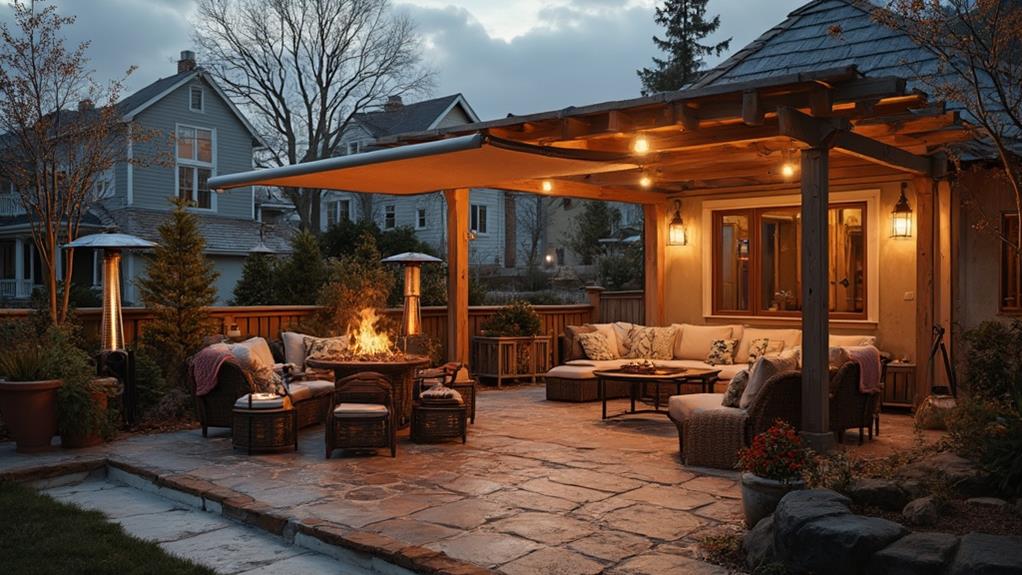


Weather-proofing your outdoor living area involves a comprehensive approach to renovation. Start by assessing your space's layout, surfaces, and drainage patterns. Choose durable materials like powder-coated aluminum, teak, or composite boards for furniture and structures. Implement smart drainage solutions, including proper sloping and permeable surfaces. Incorporate versatile shelter options such as pergolas or retractable awnings. Select weatherproof furniture with removable cushions and protective covers. Install energy-efficient LED lighting for year-round ambiance. Don't forget to consider heating and cooling systems for comfort in extreme temperatures. With careful planning and execution, your outdoor space can become a resilient, year-round retreat.
Assessing Your Outdoor Space
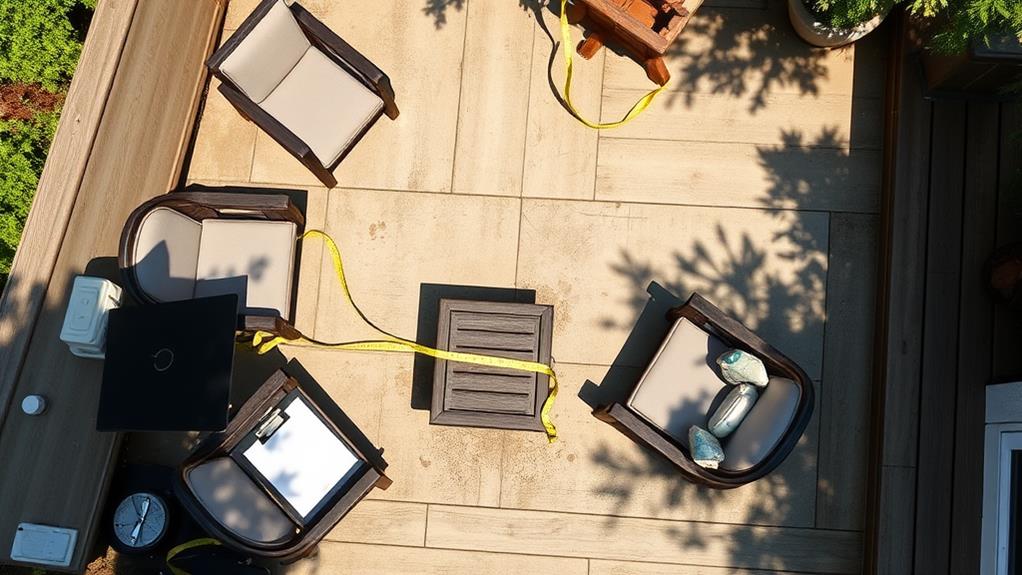
Evaluating your outdoor space is the crucial first step in any renovation project. Begin by examining the existing layout, noting its dimensions, topography, and any fixed features like trees or structures. Consider the area's exposure to sunlight, wind, and rain, as these factors will influence your design choices and material selections.
Assess the current condition of your outdoor living area, identifying any repairs or maintenance needed. Examine surfaces, structures, and landscaping elements for signs of wear, damage, or decay. Take note of drainage patterns and potential issues that may affect the longevity of your renovations.
Next, determine how you want to use the space. Consider activities like dining, lounging, entertaining, or gardening. This will help you prioritize features and allocate your budget effectively. Evaluate privacy concerns and noise levels, which may impact your design decisions.
Choosing Weather-Resistant Materials
Material selection is paramount when renovating outdoor living spaces. Choosing weather-resistant materials ensures longevity and durability, protecting your investment from the elements. For outdoor furniture, opt for powder-coated aluminum, teak, or all-weather wicker. These materials withstand sun, rain, and temperature fluctuations while maintaining their appearance.
Decking materials like composite boards or pressure-treated lumber offer excellent resistance to moisture and UV rays. For patio surfaces, consider stamped concrete, natural stone, or porcelain pavers, which are low-maintenance and can withstand freeze-thaw cycles.
When selecting fabrics for cushions and awnings, look for solution-dyed acrylic or polyester blends treated with UV inhibitors and water-repellent finishes.
For outdoor kitchens, stainless steel appliances and cabinetry are ideal due to their corrosion resistance. Countertops made of granite, concrete, or quartz-based materials perform well in outdoor environments. When choosing lighting fixtures, opt for marine-grade stainless steel or powder-coated aluminum to prevent rust and corrosion. By carefully selecting weather-resistant materials, you can create an outdoor living area that remains beautiful and functional for years to come.
Smart Drainage Solutions
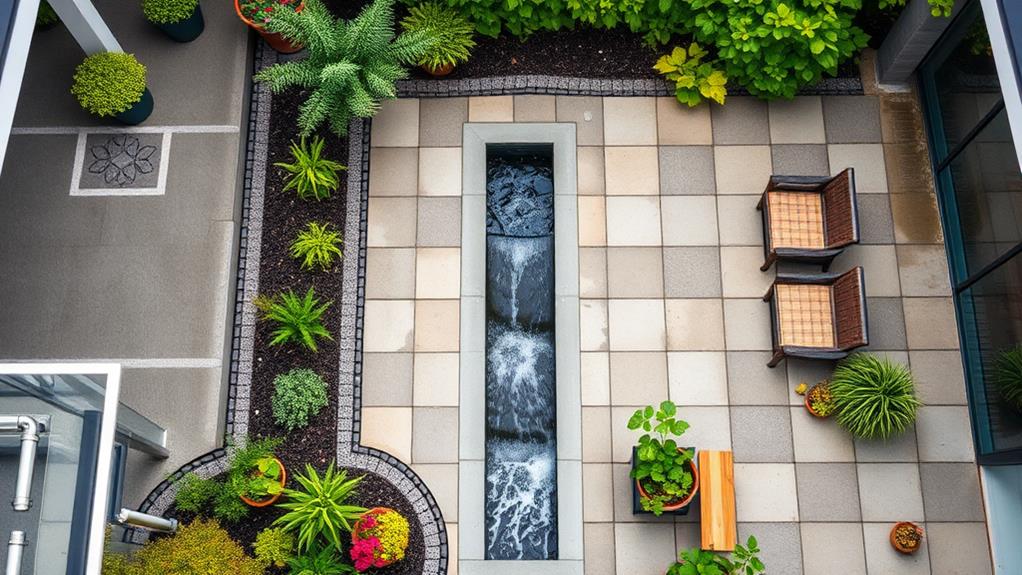
While selecting weather-resistant materials is key to outdoor durability, proper drainage is equally important for maintaining the longevity and functionality of your outdoor living area. Smart drainage solutions prevent water accumulation, which can lead to damage, erosion, and mosquito breeding grounds.
Consider incorporating a slight slope (1-2%) away from your house and patio to direct water runoff. Install French drains or dry creek beds to channel water away from high-traffic areas.
For patios and decks, use permeable pavers or decking boards with small gaps to allow water to seep through.
Implement rain gardens or bioswales to naturally filter and absorb excess water while adding aesthetic value. These landscaping features can be filled with native plants that thrive in moist conditions.
For roofed structures, install gutters and downspouts to control water flow, directing it away from the foundation.
In areas prone to heavy rainfall, consider installing a catch basin or underground drainage system. These solutions can effectively manage large volumes of water, preventing flooding and soil erosion.
Regular maintenance of your drainage system, including clearing debris and checking for blockages, will ensure its continued effectiveness.
Shelter and Shade Options
Creating a comfortable outdoor living space requires thoughtful consideration of shelter and shade options. These elements not only protect from sun and rain but also enhance the aesthetics and functionality of your outdoor area.
Pergolas offer a versatile solution, providing partial shade while allowing natural light to filter through. They can be customized with retractable canopies or climbing plants for added coverage.
For more substantial protection, consider a pavilion or gazebo, which offer full roofing and can be enclosed for all-weather use.
Retractable awnings are excellent for patios and decks, allowing you to adjust shade as needed. These can be manually operated or motorized for convenience. Umbrellas, both freestanding and table-mounted, provide portable shade options that can be easily repositioned.
For a modern touch, shade sails offer a sleek, architectural look while effectively blocking UV rays. They can be installed in various configurations to suit your space.
Lastly, consider natural shade options like strategically placed trees or large potted plants, which not only provide shade but also contribute to the overall landscape design.
Weatherproof Furniture Selection
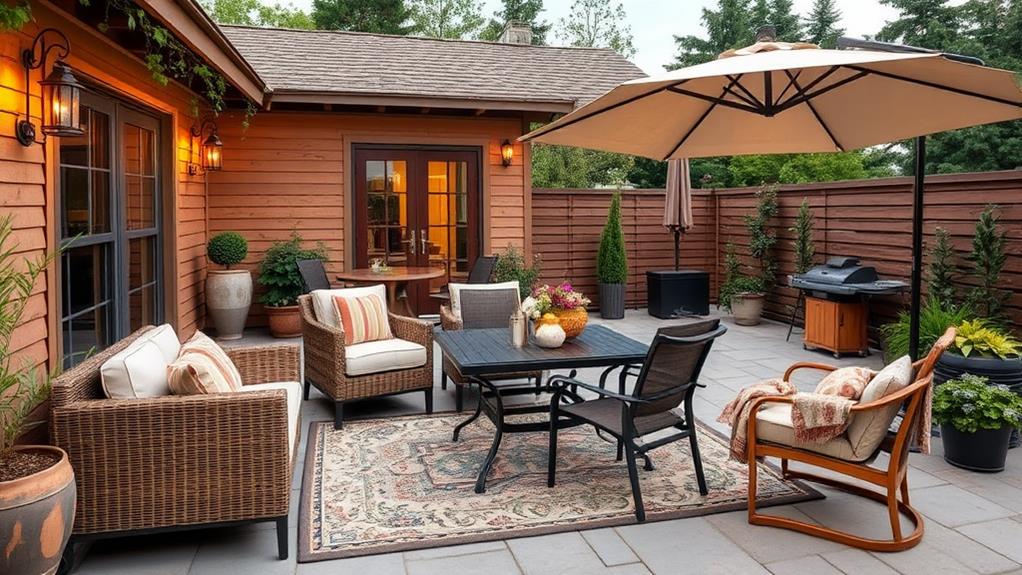
With shelter and shade considerations addressed, the next key element in crafting an inviting outdoor living area is selecting appropriate furniture. Weatherproof furniture is essential for withstanding various outdoor conditions while maintaining its aesthetic appeal and functionality.
When choosing outdoor furniture, prioritize materials known for their durability and weather resistance. Teak, cedar, and acacia are excellent wood options, naturally resistant to moisture and insects. For a more modern look, powder-coated aluminum offers lightweight durability and rust resistance. Synthetic wicker, made from high-density polyethylene, provides the classic wicker appearance without susceptibility to weather damage.
Consider furniture with removable cushions using quick-drying foam and treated fabrics to prevent mold and mildew growth. Look for UV-resistant materials to prevent fading and deterioration from sun exposure. Modular furniture sets offer flexibility in arrangement and storage during extreme weather.
Invest in furniture covers for additional protection during off-seasons or severe weather events. Choose covers made from breathable, water-resistant materials to prevent moisture buildup. By selecting high-quality, weather-resistant furniture and implementing proper care practices, you can ensure your outdoor living space remains inviting and functional year-round.
Lighting for All Seasons
Effective lighting plays a crucial role in extending the usability and enhancing the ambiance of your outdoor living area throughout the year. When selecting lighting options, consider durability and weather resistance to ensure longevity in outdoor conditions. LED lights are an excellent choice due to their energy efficiency and long lifespan.
For year-round functionality, incorporate a mix of ambient, task, and accent lighting. String lights or lanterns can provide a warm, inviting atmosphere, while spotlights or floodlights offer focused illumination for specific areas. Solar-powered lights are an eco-friendly option that can reduce energy costs.
Consider installing motion sensor lights for added security and convenience. Pathway lights not only enhance safety but also create a welcoming entrance to your outdoor space. For winter months, opt for warm-toned lights to create a cozy atmosphere.
Integrate smart lighting systems that allow you to control brightness and color temperature from your smartphone. This feature enables you to adjust the lighting to suit different seasons and occasions. Lastly, ensure all electrical components are properly rated for outdoor use and installed by a qualified professional to guarantee safety and compliance with local regulations.
Heating and Cooling Systems
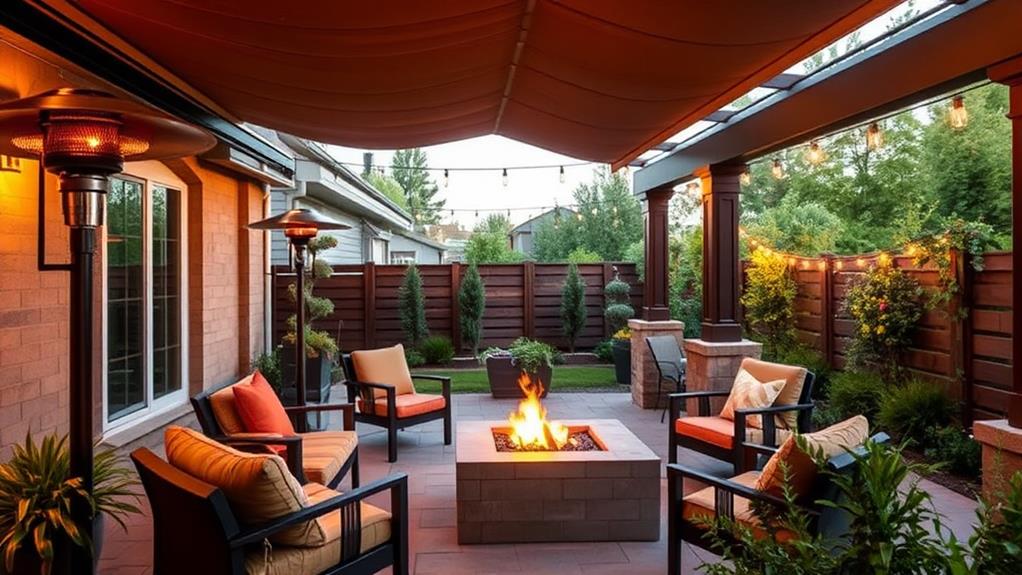
Temperature control is essential for maximizing the comfort and usability of your outdoor living area throughout the year. Implementing effective heating and cooling systems can extend the season for outdoor enjoyment and create a more versatile space.
For heating, consider options like outdoor fireplaces, fire pits, or patio heaters. Gas-powered heaters offer instant warmth and easy control, while electric heaters provide a cost-effective alternative. Infrared heaters are energy-efficient and can be mounted on walls or ceilings.
For a more permanent solution, install radiant heating beneath your patio or deck surface.
Cooling systems are equally important during warmer months. Outdoor ceiling fans can significantly improve air circulation and create a cooling effect. Misting systems are another popular choice, providing a fine spray of water that quickly evaporates, lowering the ambient temperature.
For a more substantial cooling solution, consider installing outdoor air conditioning units designed specifically for open-air spaces.
When selecting heating and cooling systems, factor in your climate, the size of your outdoor area, and your budget. Proper placement and professional installation are crucial for optimal performance and safety. Regular maintenance will ensure your systems operate efficiently and extend their lifespan.
Landscaping for Climate Control
Beyond mechanical systems, strategic landscaping plays a significant role in controlling the climate of your outdoor living area. Carefully selected plants and trees can provide natural shade, windbreaks, and temperature regulation, enhancing comfort and reducing energy costs.
For sun protection, consider planting deciduous trees on the southern and western sides of your outdoor space. These trees offer shade during summer while allowing sunlight to penetrate in winter.
Evergreen trees and shrubs on the northern side can act as windbreaks, reducing cold winter gusts. Vertical gardens and green walls not only add aesthetic appeal but also help cool the area through evapotranspiration.
Incorporate drought-resistant plants in arid climates to minimize water consumption while maintaining a pleasant environment. Hardscaping elements like pergolas, trellises, and arbors can support climbing vines, providing additional shade and cooling.
Water features such as fountains or ponds can create a cooling effect through evaporation. When planning your landscape, consider the local climate, sun patterns, and prevailing winds. Proper plant selection and placement can significantly impact the microclimate of your outdoor living area, making it more comfortable year-round.
Maintenance and Upkeep Strategies
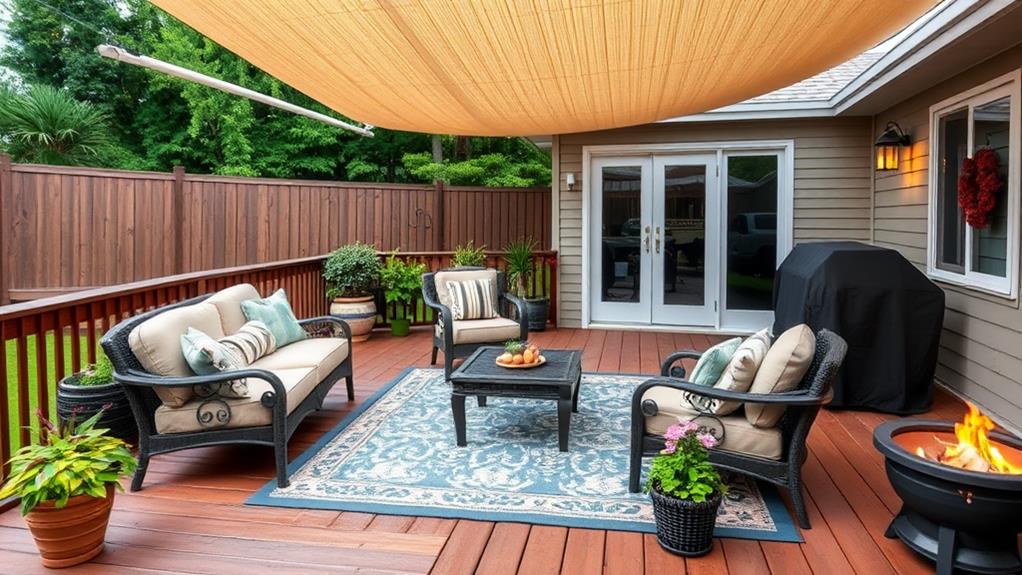
To ensure the longevity and beauty of your outdoor living area, implementing a comprehensive maintenance and upkeep strategy is crucial. Regular cleaning, inspection, and repair of outdoor surfaces, furniture, and structures are essential. Start by creating a maintenance schedule that includes tasks such as power washing decks and patios, resealing wood surfaces, and checking for loose fasteners or damaged components.
Pay close attention to drainage systems, ensuring gutters and downspouts are clear of debris to prevent water damage. Inspect outdoor lighting fixtures, electrical connections, and any plumbing elements for signs of wear or corrosion. Address issues promptly to avoid more extensive damage.
For landscaping elements, maintain proper pruning, weeding, and fertilization schedules. Regularly clean and maintain water features, such as fountains or ponds, to prevent algae growth and ensure proper functioning.
During extreme weather conditions, take precautions by securing or storing loose items and covering sensitive equipment or furniture. Implement winterization procedures for irrigation systems and outdoor plumbing to prevent freezing damage. By following these maintenance strategies, you can protect your investment and enjoy your outdoor living area for years to come.
Seasonal Decor Adaptations
While maintaining your outdoor living area is vital for its longevity, adapting your decor to the changing seasons can enhance its appeal and functionality throughout the year. Consider incorporating versatile elements that can be easily modified or replaced as the seasons shift.
For spring and summer, opt for vibrant cushions, lightweight curtains, and colorful planters filled with seasonal flowers. Introduce outdoor rugs and throw pillows in weather-resistant fabrics to add comfort and style.
As autumn approaches, transition to warmer tones and textures. Replace light fabrics with cozy blankets and add lanterns or string lights for ambiance during shorter days. Introduce fall-themed decorations like pumpkins, gourds, and autumnal wreaths.
For winter, focus on creating a warm and inviting atmosphere with heat-resistant decor. Install outdoor heaters, fire pits, or chimineas, and use weatherproof storage solutions to protect summer items. Incorporate evergreen plants and winter-blooming flowers to maintain color.
Frequently Asked Questions
How Much Does Weather-Proofing an Outdoor Living Area Typically Cost?
The cost of weather-proofing an outdoor living area typically ranges from $2,000 to $10,000, depending on the size, materials used, and specific features added. Factors like roofing, flooring, and waterproofing treatments significantly impact the overall expense.
Can I Weather-Proof My Outdoor Space in Stages Over Time?
As fate would have it, weather-proofing your outdoor space in stages is not only possible but often recommended. This approach allows for budget flexibility, gradual improvements, and the ability to adapt your plans based on changing needs and preferences over time.
Are There Eco-Friendly Options for Weather-Proofing Outdoor Living Areas?
Yes, eco-friendly options for weather-proofing outdoor living areas exist. Consider sustainable materials like reclaimed wood, recycled plastic lumber, and natural sealants. Implement rainwater harvesting systems, solar-powered lighting, and energy-efficient heating solutions for an environmentally conscious approach to outdoor renovations.
How Long Does a Fully Weather-Proofed Outdoor Space Typically Last?
A fully weather-proofed outdoor space typically lasts 10-20 years, depending on materials used and maintenance. High-quality treatments, regular upkeep, and climate factors all influence longevity. Proper care can extend the lifespan significantly beyond this range.
Do I Need Permits for Major Weather-Proofing Renovations to My Outdoor Area?
Surprisingly, 80% of homeowners overlook permit requirements. For major weather-proofing renovations, permits are often necessary. Check with your local building department, as regulations vary by location. Failure to obtain required permits can lead to costly penalties.
Conclusion
In the relentless pursuit of outdoor perfection, weather-proofing strategies emerge as the ultimate panacea for environmental challenges. This comprehensive guide, offering an encyclopedic array of solutions, transforms mere backyards into impregnable fortresses against nature's most formidable assaults. From revolutionary material science to avant-garde climate control systems, the outdoor living space evolves into a year-round sanctuary of unparalleled comfort. With meticulous planning and implementation, these strategies not only surmount climatic obstacles but redefine the very essence of al fresco living.