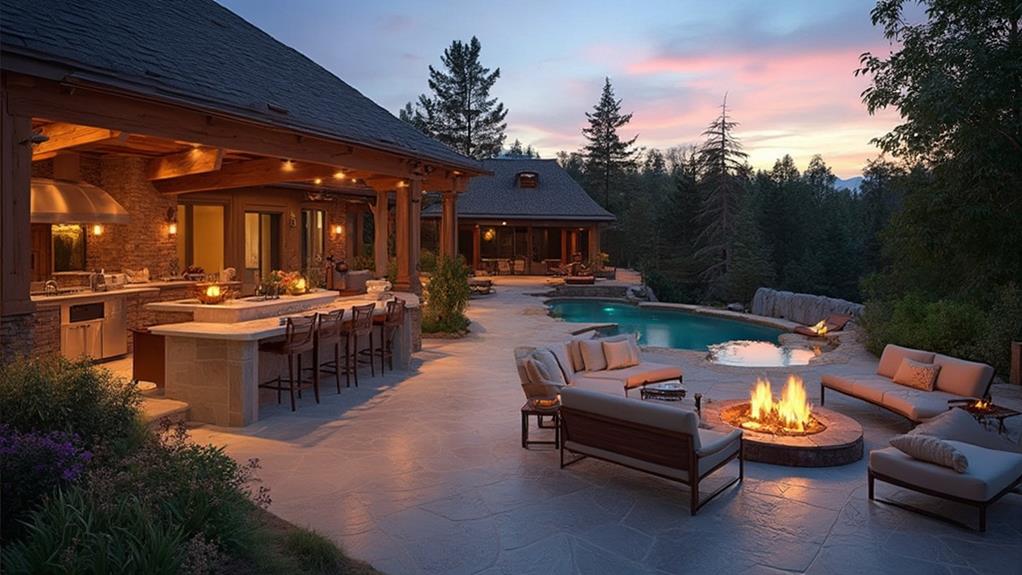


Transforming your outdoor space into an entertainment oasis requires careful planning and strategic design. Start by assessing your yard's features and climate, then design for optimal flow and function. Choose durable, weather-resistant materials for longevity. Create comfortable seating areas with a mix of options and incorporate an outdoor kitchen for culinary adventures. Enhance ambiance with layered lighting and integrate audio-visual systems for immersive experiences. Don't forget to consider privacy, aesthetics, and weatherproofing. By focusing on these key elements, you'll create a versatile outdoor living area perfect for entertaining. The following guide offers in-depth insights to elevate your outdoor renovation project.
Assessing Your Outdoor Space
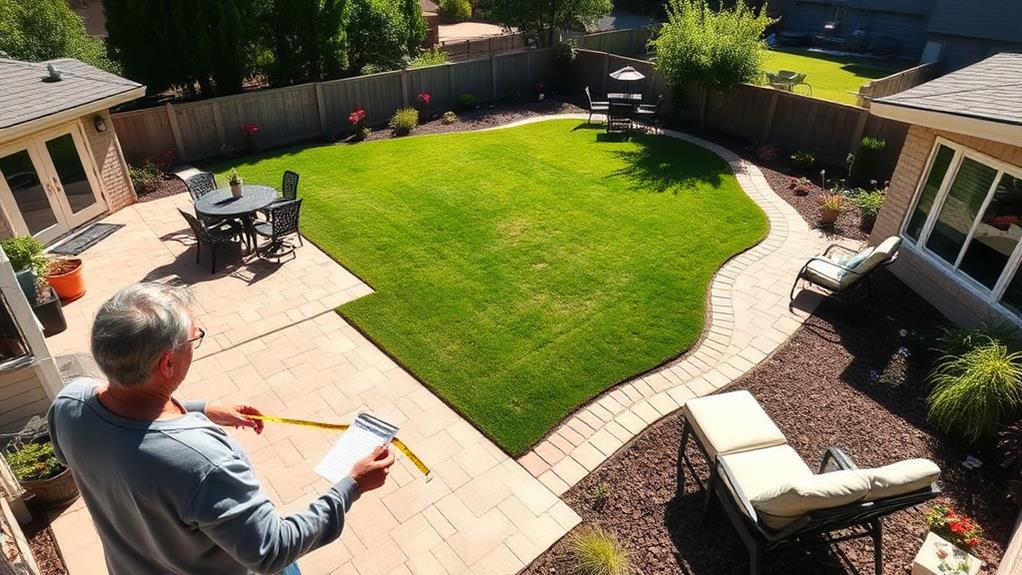
How well do you know your outdoor living area? Before embarking on any renovation project, it's crucial to thoroughly assess your existing space. Begin by evaluating the size, shape, and topography of your yard. Take note of any natural features like trees, slopes, or water sources that could impact your design plans.
Consider the climate and sun exposure in your area. Identify areas that receive full sun, partial shade, or complete shade throughout the day. This information will help you determine suitable locations for various outdoor living elements.
Next, analyze your current outdoor amenities. Assess the condition of existing structures, such as patios, decks, or pergolas. Determine which elements can be incorporated into your new design and which need to be replaced or removed.
Examine your property's drainage patterns to avoid potential water issues. Take into account any local zoning regulations or homeowners' association rules that may affect your renovation plans. Finally, establish a realistic budget and timeline for your project, considering factors like materials, labor costs, and any necessary permits.
Designing for Flow and Function
Your outdoor living space's flow and functionality are essential components of a successful renovation. When designing for flow, consider how people will move through the space and interact with different areas. Create clear pathways between key features like seating areas, dining spaces, and cooking zones. Ensure smooth transitions between indoor and outdoor areas by aligning doors and using consistent flooring materials.
Functionality is crucial for an outdoor living space that meets your entertainment needs. Incorporate versatile elements that serve multiple purposes, such as built-in seating with storage or a bar area that doubles as a food preparation station. Consider the placement of utilities like water, electricity, and gas to support outdoor kitchens, lighting, and heating elements.
When planning your layout, think about how you'll use the space throughout different seasons and times of day. Create areas for shade and sun protection, and include features like fire pits or outdoor heaters for cooler evenings. Maximize your space by utilizing vertical elements like pergolas, trellises, or living walls to add dimension and functionality. By carefully considering flow and function in your design, you'll create an outdoor living area that's both practical and enjoyable for entertaining.
Choosing Durable Materials
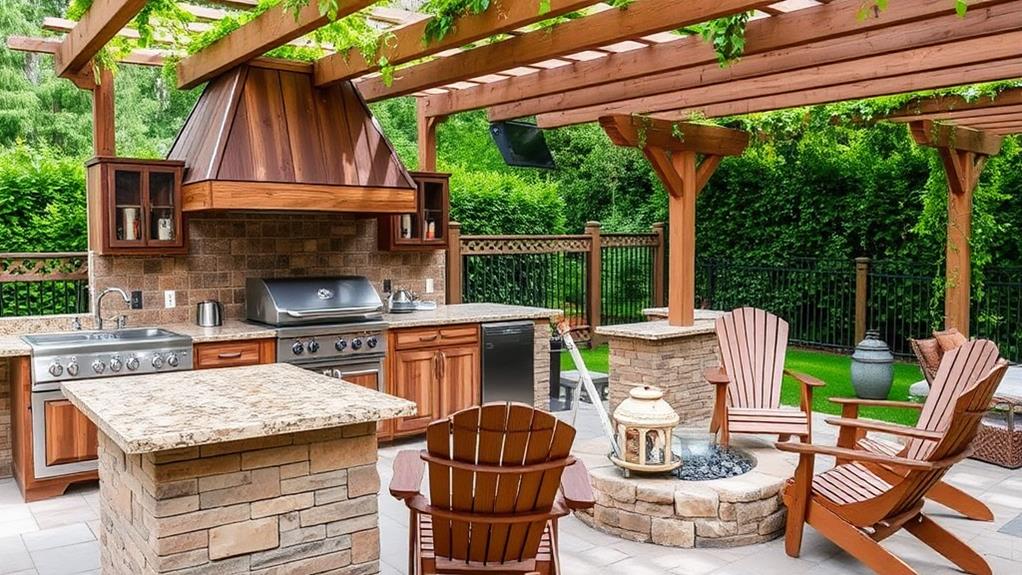
Selecting the right materials for your outdoor living space is crucial for longevity and low maintenance. When choosing materials, prioritize durability and weather resistance to withstand the elements and frequent use. For flooring, consider options like porcelain tiles, natural stone, or composite decking. These materials offer excellent durability and require minimal upkeep compared to traditional wood.
For furniture and structures, opt for materials like powder-coated aluminum, teak, or high-quality resin wicker. These choices resist rust, fading, and decay, ensuring your outdoor living area remains attractive for years. Stainless steel is ideal for outdoor kitchens and appliances due to its corrosion resistance and easy cleaning.
When selecting fabrics for cushions and upholstery, look for solution-dyed acrylics or polyester blends designed specifically for outdoor use. These materials resist fading, mildew, and stains while maintaining comfort. For shade structures, consider durable options like aluminum pergolas or retractable awnings made from high-performance fabrics.
Creating Comfortable Seating Areas
With durable materials chosen, the focus shifts to creating inviting seating areas that encourage relaxation and social interaction. Begin by assessing your available space and determining the primary functions of your outdoor living area. Consider a mix of seating options to accommodate various group sizes and activities.
For intimate conversations, incorporate cozy corners with deep-seated armchairs or loveseats. Larger gatherings may benefit from modular sectional sofas that can be rearranged as needed. Outdoor dining areas should feature comfortable chairs with adequate back support for extended meals and conversations.
Don't overlook the importance of accent pieces like ottomans, poufs, or garden stools, which provide flexible seating and double as side tables. Arrange furniture to create natural conversation zones, ensuring ample space for movement between areas.
Enhance comfort with weather-resistant cushions and pillows in coordinating colors and patterns. Add shade elements like umbrellas or pergolas to protect seating areas from harsh sunlight. Finally, incorporate outdoor rugs to define spaces and add a touch of indoor comfort to your outdoor oasis.
Outdoor Kitchen Essentials
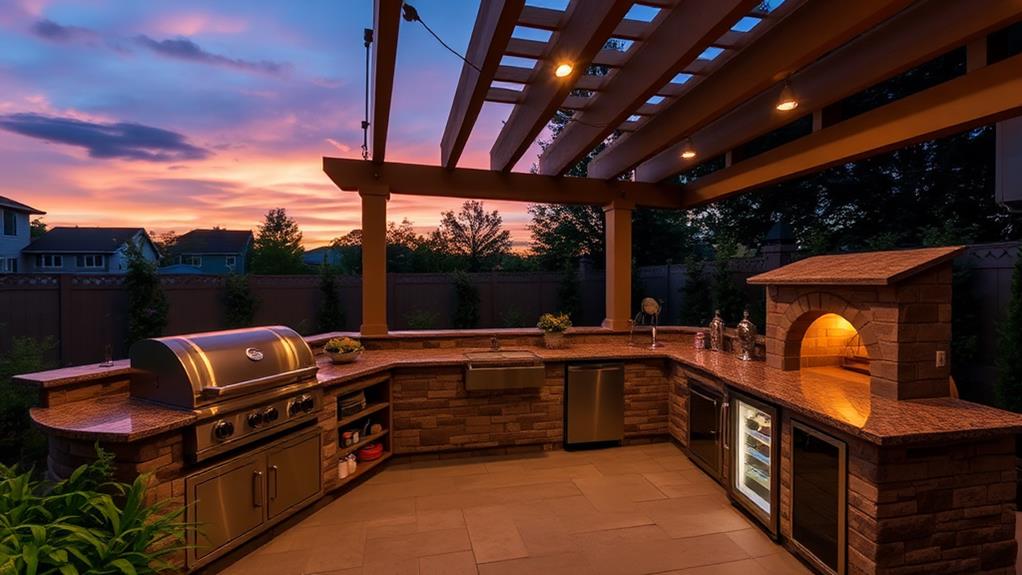
An outdoor kitchen can transform a backyard into a culinary haven, extending living space and enhancing entertainment possibilities. When planning an outdoor kitchen, prioritize essential elements to create a functional and enjoyable cooking area.
Start with a high-quality grill as the centerpiece, choosing between gas, charcoal, or pellet options based on preference and cooking style. Include ample counter space for food preparation and serving, using durable materials like granite or stainless steel that can withstand outdoor conditions.
A sink with running water is crucial for food safety and convenience, while a refrigerator keeps ingredients fresh and beverages cold. Consider adding specialized cooking equipment such as a pizza oven, smoker, or side burner for versatility. Storage solutions, including weather-resistant cabinets and drawers, keep utensils and supplies organized and protected.
Proper lighting is essential for evening cooking and dining, so incorporate task lighting over work areas and ambient lighting for ambiance.
Lighting for Ambiance and Safety
Proper lighting design is crucial for both ambiance and safety in outdoor living spaces. A well-planned lighting scheme enhances the aesthetic appeal of your outdoor area while ensuring functionality and security. Start by incorporating layers of light, including ambient, task, and accent lighting.
For ambient lighting, consider overhead fixtures like string lights, lanterns, or pendant lights to create a warm, inviting atmosphere. Task lighting is essential for functional areas such as cooking spaces, walkways, and seating areas. Use spotlights, recessed lights, or adjustable fixtures to illuminate these zones effectively. Accent lighting highlights architectural features, landscaping elements, or focal points, adding depth and visual interest to your outdoor space.
Prioritize safety by illuminating potential hazards such as steps, changes in elevation, and pool areas. Motion-sensor lights can provide added security and convenience. Opt for energy-efficient LED bulbs and consider smart lighting systems for easy control and customization. When selecting fixtures, choose weather-resistant materials suitable for outdoor use. Lastly, be mindful of light pollution and local regulations by using shielded fixtures and avoiding excessive brightness that may disturb neighbors or wildlife.
Audio-Visual Integration
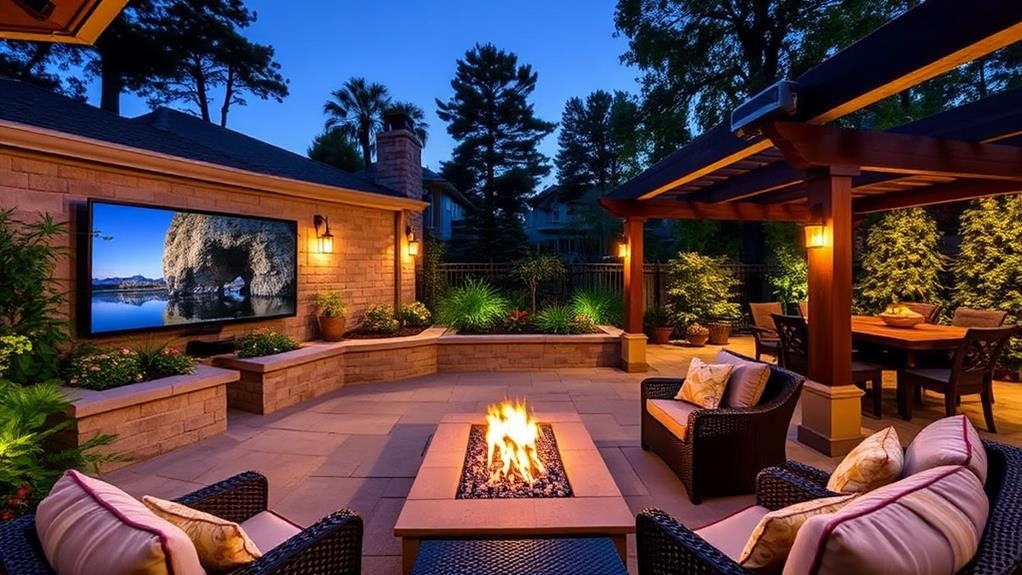
Immersive entertainment experiences have become increasingly popular in outdoor living spaces, making audio-visual integration a key consideration for homeowners. Incorporating high-quality audio systems and weatherproof displays can transform a backyard into a versatile entertainment hub.
When selecting outdoor speakers, opt for models designed to withstand various weather conditions. Consider a distributed audio system with strategically placed speakers to ensure even sound coverage throughout the space. For a more discreet setup, in-ground or rock-style speakers can blend seamlessly with the landscape.
Outdoor televisions and projectors are essential for creating a complete entertainment experience. Choose displays specifically engineered for outdoor use, featuring anti-glare screens and weatherproof casings. For flexibility, consider retractable screens or motorized lifts that can conceal the display when not in use.
Integrate smart home technology to control audio-visual elements via smartphone or voice commands. This allows for seamless adjustment of volume, video sources, and lighting. Ensure proper wiring and connectivity by consulting with professional AV installers who specialize in outdoor systems. By carefully planning and implementing audio-visual integration, homeowners can create a dynamic outdoor living space perfect for entertaining guests or enjoying quiet evenings under the stars.
Weatherproofing Your Entertainment Area
While creating an outdoor entertainment area can be exciting, weatherproofing is crucial to ensure its longevity and functionality. Start by selecting materials that can withstand various weather conditions, such as treated wood, stainless steel, or composite decking. Consider installing a pergola or retractable awning to provide shade and protection from rain.
For electrical components, use weatherproof outlets and covers, and ensure all wiring is properly insulated and protected from moisture. Opt for outdoor-rated speakers and televisions designed to withstand temperature fluctuations and humidity. Install proper drainage systems to prevent water accumulation, which can damage surfaces and equipment.
Choose furniture and cushions made with weather-resistant fabrics and materials that can withstand sun exposure and precipitation. Store removable cushions and accessories in weatherproof containers when not in use. Apply sealants to wooden surfaces and regularly maintain them to prevent rot and decay.
Install outdoor heating options like fire pits or patio heaters to extend the usability of your space during cooler months. Finally, consider adding wind barriers or privacy screens to protect your entertainment area from gusty conditions and create a more intimate atmosphere.
Landscaping for Privacy and Aesthetics
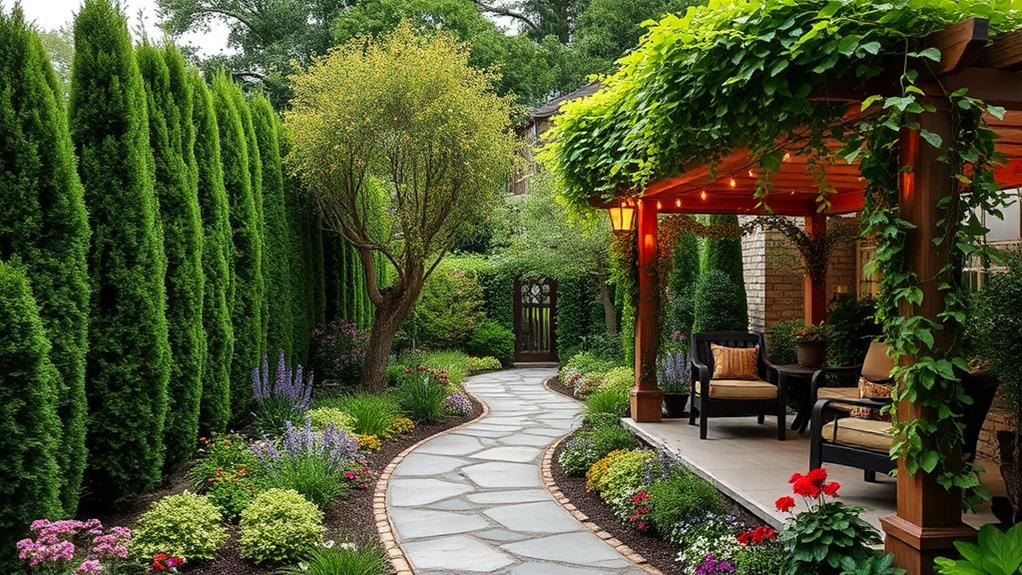
Landscaping plays a pivotal role in enhancing both the privacy and visual appeal of your outdoor living space. Strategic planting of trees, shrubs, and hedges can create natural barriers that shield your entertainment area from neighboring properties and passersby. Consider fast-growing evergreens like arborvitae or bamboo for year-round coverage, or deciduous trees for seasonal privacy.
Incorporate layered plantings to add depth and interest to your landscape. Use a combination of tall trees, medium-sized shrubs, and low-growing plants to create a lush, multi-dimensional look. For aesthetic appeal, choose plants with varying textures, colors, and bloom times to ensure visual interest throughout the year.
Hardscaping elements can also contribute to privacy and aesthetics. Install decorative screens, trellises, or pergolas adorned with climbing vines to create secluded spaces within your outdoor area. Use pavers, stones, or gravel to define pathways and seating areas, adding structure to your landscape design.
Consider incorporating water features like fountains or small ponds to enhance the ambiance and mask ambient noise. Finally, strategically placed outdoor lighting can highlight key landscape features and extend the usability of your space into the evening hours.
Frequently Asked Questions
How Long Does a Typical Outdoor Living Renovation Project Take?
The duration of a typical outdoor living renovation project varies widely depending on its scope and complexity. Simple projects may take a few weeks, while extensive renovations can span several months. Factors like weather, permits, and contractor availability also influence timelines.
What Permits Are Required for Outdoor Living Renovations?
Picture a blueprint unfurling before eager eyes. Permits for outdoor living renovations typically include building permits, electrical permits, plumbing permits, and zoning permits. Requirements vary by location, project scope, and local regulations. Always check with your local authorities for specifics.
Can I Use My Outdoor Living Space Year-Round in Colder Climates?
Yes, you can use outdoor living spaces year-round in colder climates with proper planning. Implement features like heated flooring, enclosed structures, fire pits, and weatherproof furniture. Insulation and climate control systems can extend usability during colder months.
How Do I Budget for Unexpected Costs in Outdoor Renovations?
Like a safety net for tightrope walkers, budgeting for unexpected costs in outdoor renovations requires foresight. Set aside 10-20% of your total budget for contingencies, research potential issues, and consult professionals to anticipate hidden expenses before starting your project.
Are There Eco-Friendly Options for Outdoor Living Materials and Features?
Eco-friendly options for outdoor living materials and features are abundant. Consider sustainable hardwoods, recycled plastic lumber, permeable pavers, solar lighting, native plants, rainwater harvesting systems, and energy-efficient appliances. These choices reduce environmental impact while enhancing outdoor spaces.
Conclusion
In conclusion, a well-executed outdoor living renovation transforms an ordinary backyard into an entertainer's paradise. By carefully assessing space, prioritizing flow, selecting durable materials, and integrating comfort-focused elements, homeowners can create a stunning outdoor oasis. With proper lighting, audio-visual systems, and weatherproofing, these spaces become year-round havens. Thoughtful landscaping adds the finishing touch, ensuring privacy and aesthetic appeal. The result is a breathtaking outdoor entertainment area that will make even the most luxurious resorts green with envy.