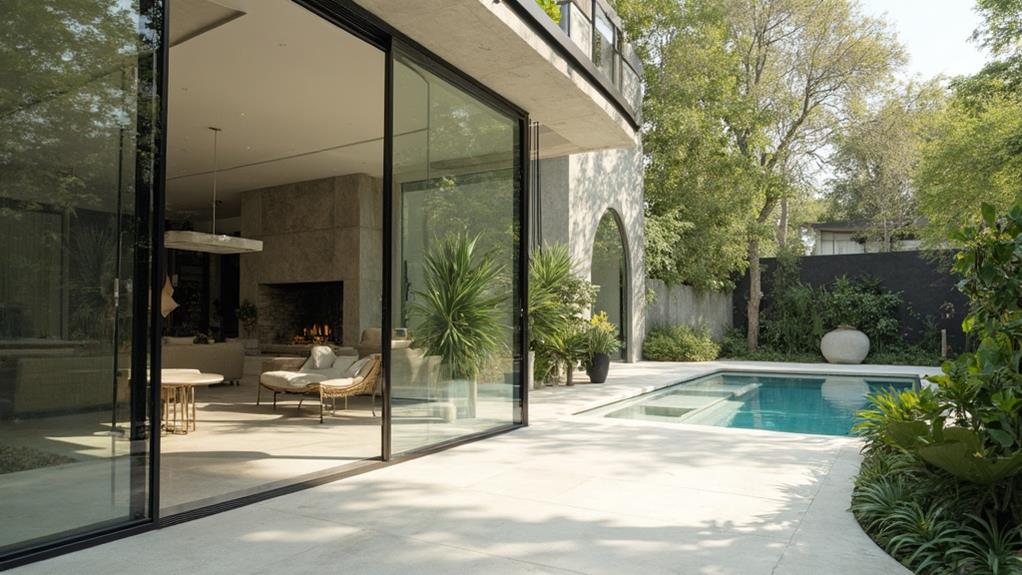


Creating a seamless indoor-outdoor connection is essential for modern home renovations, enhancing flow and functionality. Key design principles include aligning floor levels, using consistent materials, and incorporating large glass doors or folding walls. Innovative technologies like smart glass and thermally modified wood offer improved durability and control. Maximizing natural light through strategic window placement and reflective surfaces amplifies the sense of openness. Versatile outdoor living spaces with modular furniture and weather-resistant materials extend usability year-round. Proper landscaping and lighting choices ensure cohesive aesthetics between interior and exterior areas. By considering these elements, homeowners can transform their living spaces into harmonious environments that blur the boundaries between indoors and outdoors. The following sections explore these concepts in greater detail.
Design Principles for Seamless Transitions
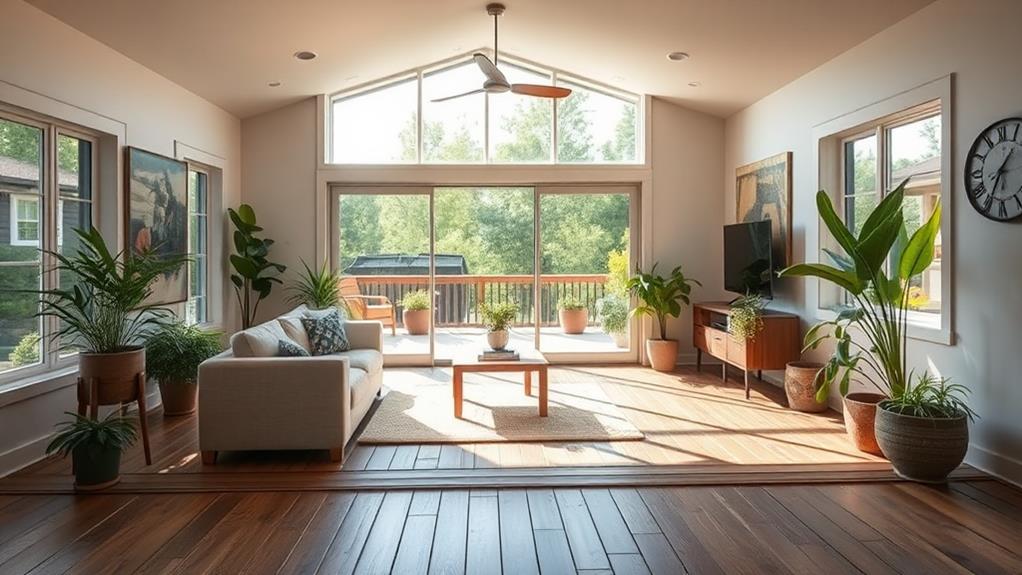
How can we create spaces that flow effortlessly from one area to another? The key lies in implementing design principles that foster seamless transitions between indoor and outdoor spaces. Begin by aligning interior and exterior floor levels, eliminating thresholds and steps that interrupt the visual flow. Choose consistent flooring materials or complementary textures that extend from inside to outside, creating a cohesive look.
Consider using large, sliding glass doors or folding walls to blur the boundaries between indoor and outdoor areas. These elements not only provide unobstructed views but also allow for easy movement and circulation. Incorporate similar color palettes and materials in both spaces to maintain visual continuity. For example, use the same wood tones or stone textures in your interior finishes and outdoor furnishings.
Lighting plays a crucial role in creating a seamless transition. Install similar fixtures or styles both indoors and outdoors to maintain a consistent ambiance. Incorporate natural light through strategically placed windows and skylights to further connect the spaces. Finally, use furniture arrangements and focal points to guide the eye and create a natural flow between areas, ensuring a harmonious indoor-outdoor connection.
Innovative Materials and Technologies
Cutting-edge materials and technologies are revolutionizing the way we approach home renovations. Smart glass, which can change opacity on demand, offers privacy without sacrificing natural light. Thermally modified wood provides enhanced durability and weather resistance for decks and outdoor structures. Nano-coatings applied to surfaces repel water, dirt, and stains, reducing maintenance needs.
Automated systems integrate seamlessly into renovations, allowing homeowners to control lighting, climate, and security from their smartphones. Energy-efficient heat pumps and radiant floor heating systems provide comfortable temperatures year-round. Retractable screens and motorized awnings offer flexible outdoor living spaces adaptable to changing weather conditions.
3D printing technology enables custom-designed architectural elements and fixtures, while prefabricated modular components streamline construction processes. Advanced insulation materials like aerogel and vacuum insulated panels maximize energy efficiency in tight spaces. Photocatalytic surfaces purify air and break down pollutants, improving indoor air quality. These innovations not only enhance the functionality and aesthetics of indoor-outdoor transitions but also contribute to more sustainable and efficient homes, aligning with modern eco-conscious design principles.
Maximizing Natural Light
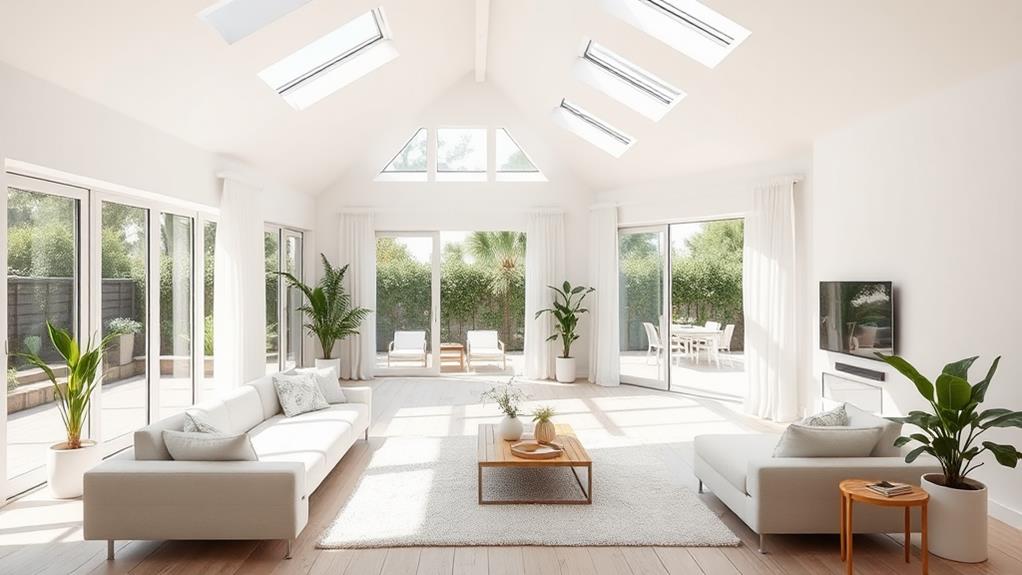
Natural light plays a pivotal role in creating open, inviting spaces that seamlessly blend indoor and outdoor environments. To maximize natural light during renovations, consider incorporating large windows, skylights, and glass doors. These elements not only increase illumination but also offer views of the surrounding landscape, enhancing the indoor-outdoor connection.
Strategically placed mirrors can amplify natural light by reflecting it throughout the space. Light-colored walls and ceilings further enhance this effect, creating a brighter, more expansive atmosphere. For areas with limited direct sunlight, solar tubes or light pipes can channel daylight from the roof into interior spaces.
When designing window treatments, opt for sheer or translucent materials that allow light to filter through while maintaining privacy. Motorized blinds or smart glass technologies offer flexibility in controlling light levels throughout the day. Consider the orientation of your home when planning renovations, maximizing south-facing exposures in cooler climates and minimizing western exposures in warmer regions to optimize natural light while managing heat gain. By thoughtfully integrating these design elements, you can create a bright, welcoming space that blurs the line between indoors and outdoors.
Versatile Outdoor Living Spaces
Today's homeowners are increasingly extending their living spaces beyond the confines of interior walls, embracing versatile outdoor areas that serve multiple purposes. These adaptable spaces seamlessly blend indoor comfort with outdoor enjoyment, creating functional environments for relaxation, entertainment, and daily living.
Key elements of versatile outdoor living spaces include modular furniture arrangements, weather-resistant materials, and multifunctional features. Retractable awnings or pergolas offer shade and protection from the elements, while outdoor kitchens and built-in grills transform patios into culinary hubs. Incorporating heating elements like fire pits or infrared heaters extends the usability of these spaces into cooler months.
Innovative design solutions, such as sliding glass walls or folding doors, blur the line between indoor and outdoor areas, allowing for effortless transitions. Smart technology integration enables homeowners to control lighting, audio systems, and climate features with ease. By carefully considering layout and flow, designers can create outdoor spaces that complement interior rooms and enhance the overall living experience. This approach not only expands usable square footage but also adds value to the property while promoting a connection with nature and outdoor living.
Weather Considerations and Solutions
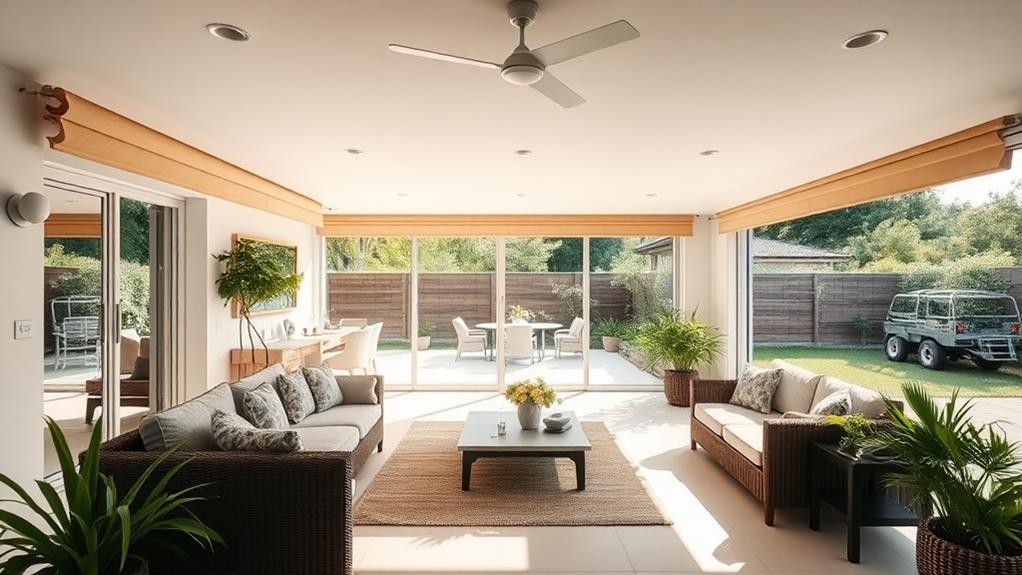
Weather resilience is a crucial factor in designing and implementing versatile outdoor living spaces. When creating an indoor-outdoor connection, it's essential to consider the local climate and potential weather challenges.
In regions with frequent rain, incorporating proper drainage systems and water-resistant materials is vital. Retractable awnings or pergolas with adjustable louvers can provide protection from both sun and rain, allowing for year-round use of the space.
For areas prone to high winds, sturdy construction and wind-resistant furniture are necessary. Utilizing windbreaks, such as strategic landscaping or decorative screens, can help mitigate gusty conditions. In colder climates, outdoor heating solutions like fire pits, patio heaters, or radiant flooring can extend the usability of the space into cooler months.
To combat excessive heat and sun exposure, consider implementing shade structures, UV-resistant fabrics, and cooling systems like misting devices or outdoor fans. Additionally, selecting materials that don't retain heat, such as light-colored or reflective surfaces, can help maintain a comfortable temperature in the outdoor living area. By addressing these weather considerations, homeowners can create a functional and enjoyable indoor-outdoor connection that withstands various environmental challenges.
Landscaping for Cohesive Aesthetics
Through careful landscaping, homeowners can create a seamless transition between indoor and outdoor spaces, enhancing the overall aesthetic appeal of their property. This cohesive approach involves selecting plants, hardscaping elements, and outdoor furnishings that complement the home's architectural style and interior design.
Consider using similar color palettes and materials in both indoor and outdoor spaces to establish visual continuity. For example, if the interior features warm wooden tones, incorporate similar hues in outdoor decking or furniture. Utilize native plants that thrive in your climate to ensure a low-maintenance and visually appealing landscape year-round.
Strategic placement of trees, shrubs, and flower beds can frame views from inside the home, creating natural focal points and drawing the eye outward. Incorporate outdoor lighting to extend the usability of outdoor spaces and highlight key landscaping features after dark. Water features, such as fountains or reflection pools, can add a sense of tranquility and serve as a visual link between indoor and outdoor areas.
Frequently Asked Questions
How Much Does an Indoor-Outdoor Renovation Typically Cost?
The cost of an indoor-outdoor renovation varies widely, typically ranging from $20,000 to $100,000 or more. Factors influencing price include project scope, materials used, structural changes required, and local labor costs. Professional design services may add expenses.
What Permits Are Required for Indoor-Outdoor Renovations?
According to a 2022 survey, 78% of homeowners underestimate permit requirements. Generally, indoor-outdoor renovations require building permits, zoning permits, and possibly electrical or plumbing permits, depending on the scope of work and local regulations. Always consult your local building department.
How Long Does a Typical Indoor-Outdoor Renovation Project Take to Complete?
The duration of an indoor-outdoor renovation project varies depending on scope and complexity. Typically, small-scale projects may take 2-4 weeks, while larger renovations can span 2-6 months. Factors like weather, permits, and contractor availability also influence timelines.
Can Indoor-Outdoor Renovations Be Done in Apartments or Condos?
Like a butterfly emerging from its cocoon, apartments and condos can transform with indoor-outdoor renovations. While limited by space and regulations, creative solutions such as balcony makeovers, sliding glass walls, and rooftop gardens can achieve a seamless indoor-outdoor flow.
How Do Indoor-Outdoor Renovations Impact Home Resale Value?
Indoor-outdoor renovations typically enhance home resale value by increasing living space, improving aesthetics, and appealing to modern buyers. These upgrades can boost property value by 5-15%, depending on quality, location, and market conditions.
Conclusion
The threshold between interior and exterior realms symbolizes the delicate balance between shelter and nature. As the lines blur, homes become sanctuaries that embrace both worlds. Through thoughtful design, innovative materials, and harmonious landscaping, this fusion creates spaces that breathe and evolve with the seasons. Like a chrysalis transforming, renovations focused on indoor-outdoor flow metamorphose static structures into living entities. The result is a dwelling that not only protects but also connects, inviting inhabitants to experience life's full spectrum.