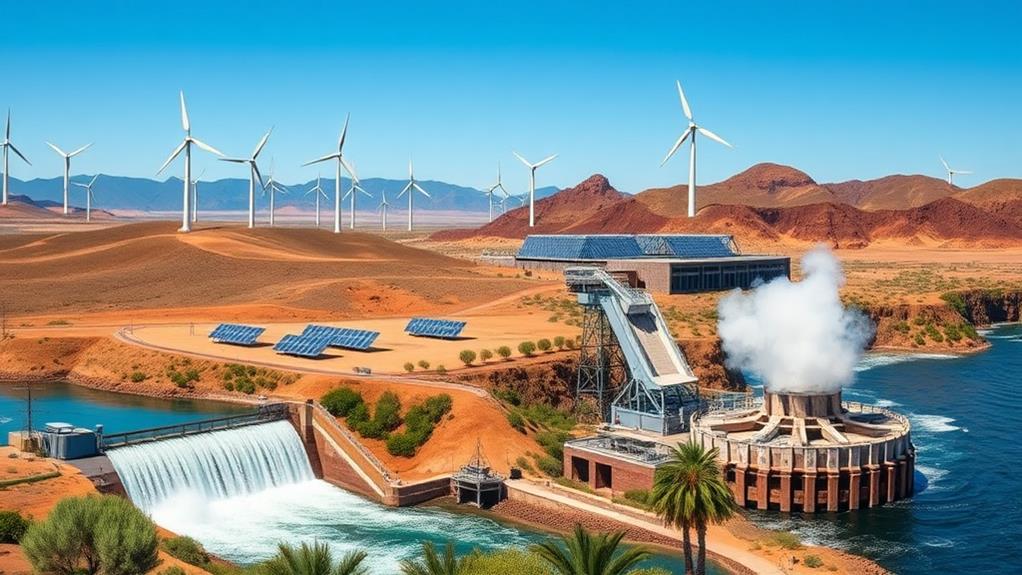


Renewable energy sources offer cleaner alternatives to fossil fuels, but they're not without environmental impacts. Solar power is clean and silent, but panel production raises concerns. Wind turbines can affect wildlife and landscapes, despite minimal emissions. Hydroelectric dams disrupt ecosystems, though smaller projects have less impact. Geothermal power has a small footprint but can release harmful gases. Biomass reduces waste but may contribute to deforestation and air pollution. Each source has its pros and cons, with varying effects on land use, wildlife, and emissions. Understanding these tradeoffs is crucial for making informed decisions about our energy future.
Solar Energy: Benefits and Drawbacks

The potential of solar energy shines brightly in our quest for sustainable power. You'll find that solar panels can harness the sun's abundant energy, providing a clean alternative to fossil fuels. They're silent, require minimal maintenance, and can be installed on various surfaces, from rooftops to large-scale solar farms.
One of solar energy's main advantages is its carbon-neutral operation, significantly reducing greenhouse gas emissions. It's also a renewable resource, ensuring long-term energy security. As technology improves, solar panels are becoming more efficient and affordable, making them increasingly accessible to homeowners and businesses alike.
However, solar energy isn't without drawbacks. Its intermittent nature means you can't generate power at night or during cloudy weather, necessitating energy storage solutions. The production of solar panels involves some environmental concerns, including the use of rare earth minerals and energy-intensive manufacturing processes. Additionally, large solar farms can impact local ecosystems and wildlife habitats.
Despite these challenges, solar energy remains a promising component of our renewable energy future. As we continue to innovate and address its limitations, you can expect solar power to play an increasingly vital role in our energy mix.
Wind Power's Environmental Footprint
While solar energy harnesses the sun's rays, wind power taps into another abundant natural resource. You'll find wind turbines dotting landscapes and offshore areas, converting kinetic energy into electricity. Wind power's environmental footprint is relatively small, but it's not without impact.
You'll notice that wind farms require significant land use, though the area between turbines can often be used for agriculture or grazing. They're also known to affect local wildlife, particularly birds and bats. However, modern turbine designs and careful siting have reduced these risks.
Noise pollution is another concern you might hear about. While turbines do produce sound, it's generally not disruptive at typical residential distances. Visual impact is subjective; some find wind farms an eyesore, while others see them as symbols of progress.
You'll be pleased to know that wind power has minimal carbon emissions during operation and doesn't consume water like some other energy sources. It also doesn't produce air pollutants or toxic waste. However, the manufacturing and transportation of turbines do have some environmental costs, though these are typically offset within months of operation.
Hydroelectric Energy: Ecological Considerations
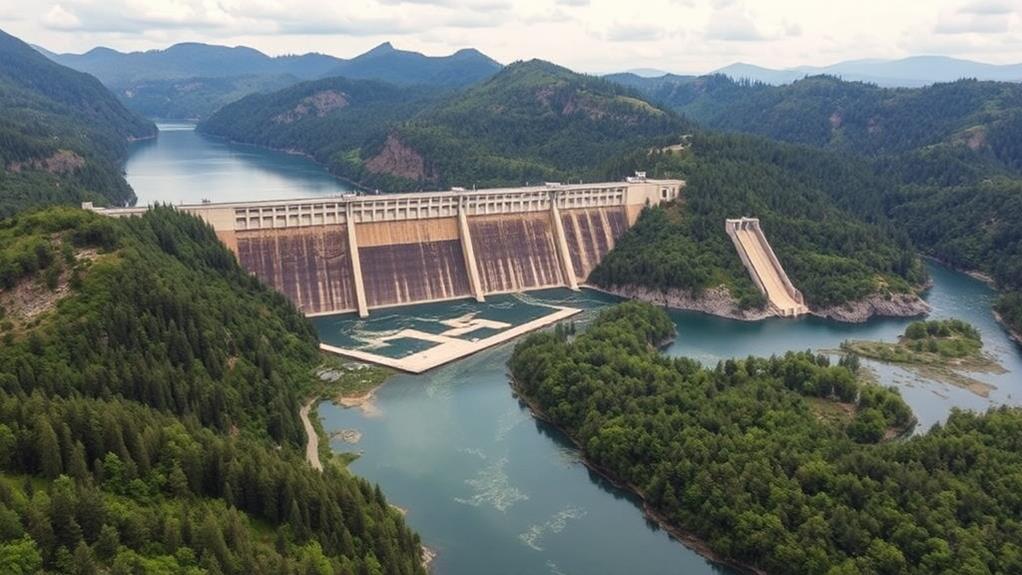
Hydroelectric power, a major player in renewable energy, comes with its own set of ecological considerations. When you examine large-scale hydroelectric projects, you'll find that they often involve damming rivers, which can significantly alter ecosystems. These dams create reservoirs that flood vast areas, destroying terrestrial habitats and displacing wildlife.
You'll notice that dams also disrupt the natural flow of rivers, affecting aquatic life. Fish migrations are impeded, and sediment transport is altered, impacting downstream ecosystems. The change in water temperature and oxygen levels can harm fish populations and other aquatic organisms.
However, you should also consider that hydroelectric power doesn't produce direct emissions during operation, making it a cleaner alternative to fossil fuels. Smaller, run-of-river projects have less ecological impact than large dams. These systems use the natural flow of rivers without creating large reservoirs.
When assessing hydroelectric energy, you must weigh its benefits against its ecological costs. While it provides clean, renewable energy, it's crucial to implement mitigation strategies to minimize environmental impacts. These may include fish ladders, sediment management techniques, and careful site selection to preserve critical habitats.
Geothermal Power: Earth's Hidden Resource
Moving from water-based energy to Earth's inner heat, geothermal power taps into a vast, often overlooked renewable resource. You'll find geothermal plants harnessing steam and hot water from underground reservoirs to generate electricity. This energy source is constant, unlike solar or wind, providing a reliable baseload power supply.
You'll appreciate geothermal's minimal land footprint compared to other renewables. It doesn't require large solar arrays or wind farms, making it ideal for areas with limited space. The environmental impact is generally low, with minimal greenhouse gas emissions during operation.
However, you should be aware of potential drawbacks. Drilling can sometimes release harmful gases and minerals from underground. There's also a risk of inducing minor seismic activity in some areas. Additionally, geothermal resources aren't evenly distributed globally, limiting its widespread adoption.
Despite these challenges, you'll find geothermal power's benefits compelling. It's a clean, reliable energy source that can significantly reduce our dependence on fossil fuels. As technology advances, we're likely to see more efficient methods of tapping into Earth's natural heat, expanding geothermal's role in our renewable energy future.
Biomass: Renewable Yet Controversial
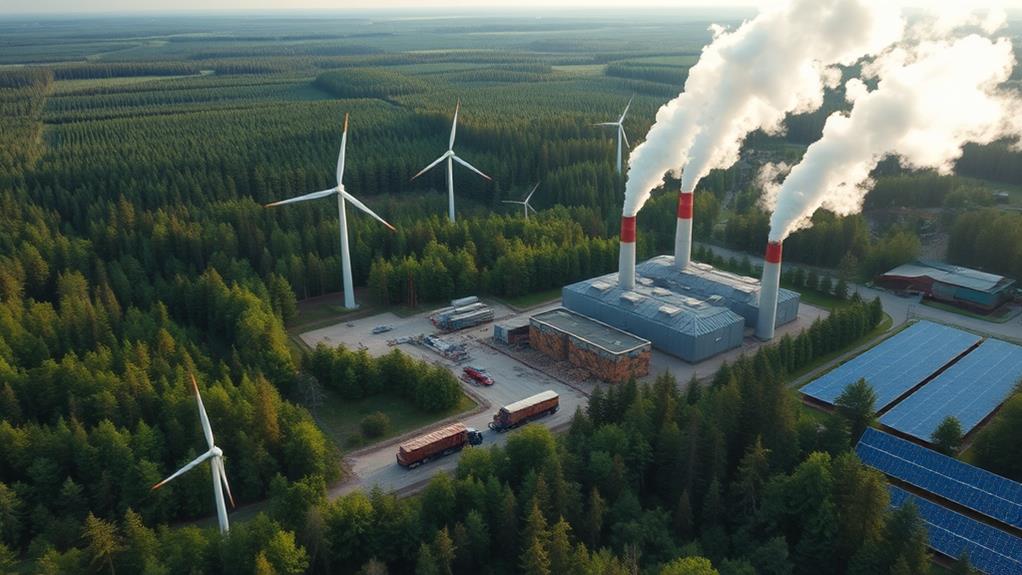
From plant matter to animal waste, biomass energy harnesses organic materials to generate power. You'll find it's a versatile renewable source that can produce electricity, heat, and transportation fuels. Biomass includes wood, crops, and agricultural residues, which are burned or converted into biofuels like ethanol and biodiesel.
While it's renewable, biomass isn't without controversy. You might wonder about its environmental impact. On one hand, it can reduce greenhouse gas emissions compared to fossil fuels, as plants absorb CO2 during growth. However, burning biomass still releases pollutants and can contribute to deforestation if not managed sustainably.
You'll need to consider the energy balance too. Some biomass sources require more energy to produce than they generate. There's also the food vs. fuel debate, as using crops for energy can compete with food production.
Despite these concerns, biomass offers benefits like waste reduction and energy security. It's particularly useful in rural areas with abundant organic resources. As you evaluate biomass, remember it's part of a diverse renewable energy portfolio, each with its own pros and cons.
Comparing Lifecycle Emissions Across Sources
When evaluating different energy sources, it's important to look beyond just the emissions produced during power generation. You need to consider the entire lifecycle of each energy source, from raw material extraction to decommissioning.
Solar and wind power have minimal emissions during operation, but their production processes involve mining and manufacturing that can generate significant carbon footprints. Hydroelectric power, while clean in operation, can lead to methane emissions from flooded vegetation in reservoirs.
Nuclear energy produces low emissions during operation but faces challenges in uranium mining and waste disposal. Geothermal power has low emissions but may release underground gases during drilling.
Biomass can be carbon-neutral if managed sustainably, but its emissions vary widely depending on feedstock and production methods. Fossil fuels consistently produce high emissions throughout their lifecycle.
To accurately compare emissions, you should use standardized metrics like grams of CO2 equivalent per kilowatt-hour. These calculations help you make informed decisions about which energy sources truly offer the lowest environmental impact over their entire lifespan.
Conclusion
You've journeyed through a landscape of clean energy, each source a unique brushstroke on Earth's canvas. Like a double-edged sword, renewables offer hope but aren't without their shadows. As you weigh the pros and cons, remember: there's no perfect solution, only informed choices. Your decisions ripple through time, shaping the world we'll inherit. Choose wisely, for you're not just flipping a switch—you're painting our planet's future.