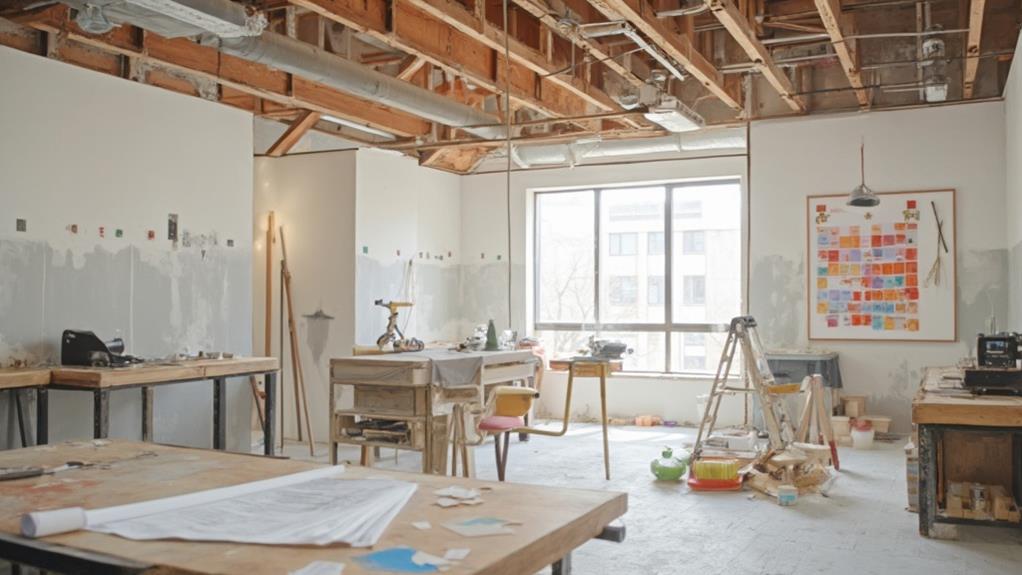

Phasing long-term renovation projects involves strategic planning to manage costs effectively. Begin by assessing renovation needs and creating a comprehensive timeline. Divide the project into logical phases, prioritizing essential repairs and improvements. Establish phase-specific budgets with contingencies for unexpected expenses. Secure flexible financing options to accommodate evolving project scopes. Plan for temporary living arrangements during extensive renovations. Coordinate closely with contractors to ensure smooth transitions between phases. Regularly reassess and adjust plans as the project progresses. By implementing these strategies, homeowners can maintain control over their renovation costs and achieve their desired outcomes. The following sections offer deeper insights into each aspect of phasing long-term renovations.
Assess and Prioritize Renovation Needs
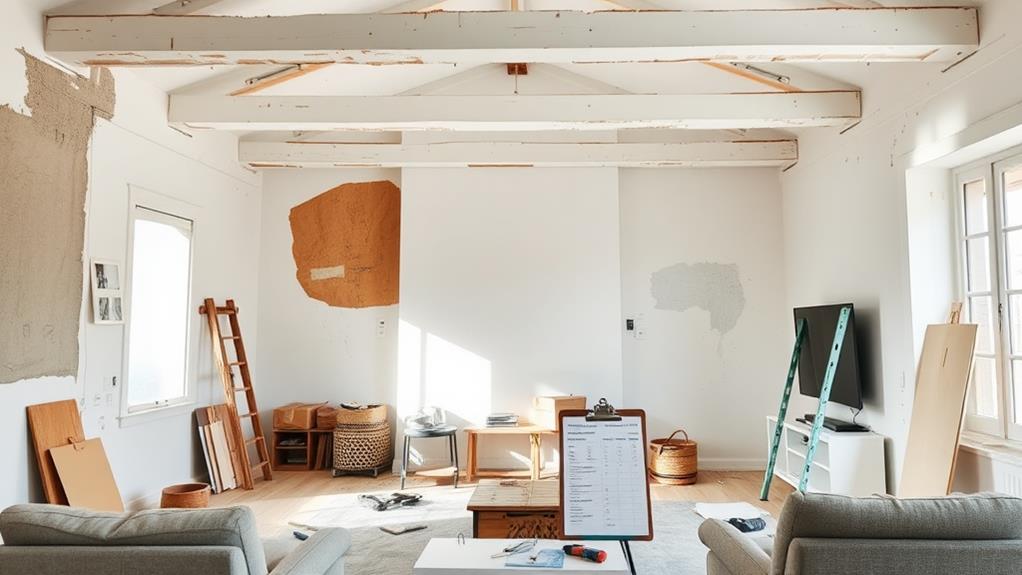
How do you begin a long-term renovation project without feeling overwhelmed? The key is to start with a comprehensive assessment of your renovation needs and prioritize them based on urgency, importance, and budget constraints.
Begin by thoroughly inspecting your property, noting all areas that require attention. Consider structural issues, outdated systems, cosmetic improvements, and energy efficiency upgrades. Consult with professionals such as contractors, architects, or home inspectors to gain expert insights and identify potential hidden problems.
Once you have a complete list of renovation needs, prioritize them using a practical approach. Address safety concerns and essential repairs first, followed by improvements that enhance the property's functionality and value. Consider the long-term benefits of each renovation, weighing factors like energy savings, increased property value, and improved quality of life.
Create a timeline for your renovation projects, breaking them down into manageable phases. This approach allows you to spread costs over time and minimizes disruption to your daily life. Be sure to account for interdependencies between different renovation tasks, ensuring that each phase builds logically upon the previous one.
Create a Comprehensive Project Timeline
With a clear understanding of your renovation priorities, the next step is to develop a comprehensive project timeline. This timeline should outline each phase of the renovation process, from initial planning to final completion.
Begin by identifying major milestones and breaking them down into smaller, manageable tasks. Consider the logical sequence of work, ensuring that each phase builds upon the previous one.
Assign realistic timeframes to each task, taking into account potential delays due to weather, material delivery, or contractor availability. Be sure to factor in time for obtaining necessary permits and approvals, as these can significantly impact your schedule. Include buffer periods between phases to accommodate unexpected setbacks and allow for flexibility.
Coordinate with contractors and suppliers to align their schedules with your timeline. This collaboration helps ensure a smooth workflow and minimizes downtime between phases. Regularly review and update the timeline as the project progresses, adjusting as necessary to reflect actual progress and any changes in scope or priorities.
Divide Project Into Logical Phases
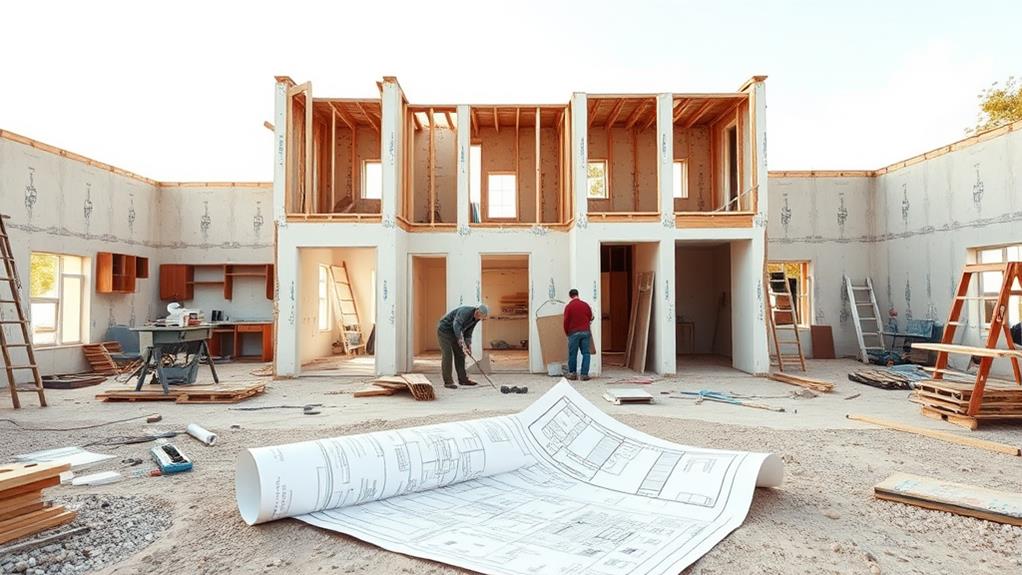
Dividing a long-term renovation project into logical phases is crucial for successful implementation and management. This approach allows for better control over costs, resources, and timelines while minimizing disruptions to daily operations.
To effectively divide a project, consider the following strategies:
First, identify natural break points in the renovation process. These may include completing specific rooms, floors, or building systems. Prioritize areas that are essential for functionality or have the most significant impact on overall progress.
Next, group related tasks together to create cohesive phases. For example, combine all electrical work or plumbing upgrades into a single phase to streamline the process and reduce redundant labor.
Consider the project's critical path and dependencies between different elements. Ensure that each phase builds upon the previous one without creating bottlenecks or requiring extensive rework. Additionally, factor in seasonal considerations, such as weather-dependent tasks, to optimize the timing of each phase.
Establish Phase-Specific Budgets
Establishing phase-specific budgets is a key step in managing a long-term renovation project effectively. By allocating funds to each phase separately, homeowners and project managers can better control costs, track expenses, and adjust plans as needed. This approach allows for more accurate financial forecasting and helps prevent overspending in early phases that could jeopardize later stages of the project.
To create phase-specific budgets, start by estimating the total cost of the entire renovation. Then, break down expenses for each phase, considering materials, labor, permits, and potential contingencies. Prioritize essential elements within each phase and allocate funds accordingly. It's crucial to include a buffer for unexpected costs, typically 10-20% of the phase budget.
Regularly review and update phase budgets as the project progresses. This allows for adjustments based on actual expenses and changing circumstances. Consider using project management software or spreadsheets to track expenses in real-time. By maintaining detailed records for each phase, you can identify areas where costs may be higher or lower than anticipated, enabling informed decision-making throughout the renovation process.
Secure Flexible Financing Options
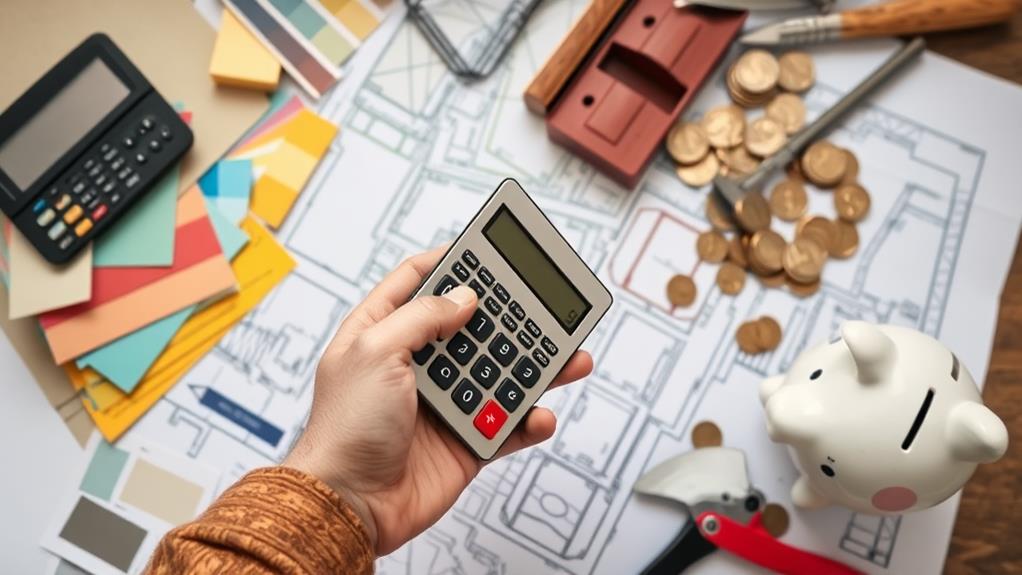
Considering the long-term nature of phased renovation projects, securing flexible financing options is crucial for homeowners and project managers. Traditional fixed-term loans may not be suitable for projects that span several years or have uncertain timelines. Instead, explore revolving credit options like home equity lines of credit (HELOCs) or construction-to-permanent loans that allow for multiple draws over an extended period.
These flexible financing solutions offer several advantages for phased renovations. They provide access to funds as needed, reducing interest costs on unused capital. Additionally, they allow for adjustments in borrowing amounts as project scopes evolve or unexpected expenses arise. Some lenders offer interest-only payment periods during construction, easing cash flow constraints.
When securing financing, consider options with longer draw periods and repayment terms to accommodate the project's timeline. Negotiate with lenders for the ability to lock in interest rates on portions of the borrowed amount as each phase progresses. This strategy can help mitigate the risk of rising interest rates over the course of the renovation. Finally, maintain open communication with your lender throughout the project to ensure smooth disbursements and address any changes in financial needs or project timelines.
Plan for Temporary Living Arrangements
When undertaking long-term phased renovations, planning for temporary living arrangements becomes a critical aspect of project management. Homeowners must carefully consider their options based on the scope and duration of each renovation phase.
For extensive projects that render the home uninhabitable, renting a nearby apartment or house can provide stability and comfort. This option allows families to maintain their daily routines with minimal disruption.
Alternatively, staying with family or friends might be feasible for shorter renovation periods, though this arrangement should be approached with clear communication and defined timelines. For partial renovations, homeowners may choose to live in unaffected areas of their house, creating temporary living spaces in rooms not under construction. This approach requires careful coordination with contractors to ensure safety and minimize inconvenience.
When budgeting for temporary living arrangements, consider not only accommodation costs but also potential storage fees for furniture and belongings. Additionally, factor in increased commuting expenses if the temporary location is farther from work or school. By thoroughly planning and budgeting for these arrangements, homeowners can reduce stress and ensure a smoother renovation process while managing overall project costs effectively.
Coordinate With Contractors Effectively

Effective coordination with contractors is paramount to the success of any phased renovation project. Clear communication and well-defined expectations are essential for maintaining a smooth workflow and avoiding costly delays.
Begin by establishing a detailed project timeline with specific milestones for each phase. Regularly scheduled meetings with contractors help ensure everyone remains aligned on project goals and any necessary adjustments.
Create a centralized communication system, such as a project management platform, to facilitate real-time updates and document sharing. This allows all parties to access the most current information and reduces the risk of miscommunication. Clearly define each contractor's scope of work and responsibilities, including how their tasks interface with other trades.
Implement a change order process to manage any modifications to the original plan efficiently. This helps control costs and prevents scope creep. Develop a system for addressing unforeseen issues promptly, designating key decision-makers to expedite problem-solving. Regularly review progress against the project schedule and budget, making adjustments as necessary to keep the renovation on track.
Reassess and Adjust Between Phases
Reassessing and adjusting between phases stands out as a critical component of successful long-term renovation projects. This process allows project managers to evaluate progress, identify potential issues, and make necessary modifications to ensure the project remains on track. By conducting thorough assessments at the conclusion of each phase, teams can gather valuable insights and apply lessons learned to subsequent stages.
Key aspects of reassessment include analyzing budget expenditures, reviewing timelines, and evaluating the quality of completed work. This information helps determine whether adjustments are needed in resource allocation, scheduling, or project scope. Additionally, reassessment provides an opportunity to address unforeseen challenges or take advantage of newly discovered opportunities.
Adjustments may involve revising budgets, modifying timelines, or altering design elements to better align with project goals. It's essential to communicate any changes clearly to all stakeholders, including contractors, suppliers, and clients. By maintaining flexibility and adapting to new information, project managers can optimize outcomes and minimize the risk of cost overruns or delays. Regular reassessment and adjustment contribute significantly to the overall success of long-term renovation projects, ensuring they remain responsive to evolving needs and circumstances.
Frequently Asked Questions
How Can I Minimize Disruption to Daily Life During Long-Term Renovations?
To minimize disruption during long-term renovations, prioritize essential areas, create temporary living spaces, establish a clear timeline, communicate regularly with contractors, plan for noise reduction, and consider temporary relocation for major phases of the project.
What Unforeseen Issues Commonly Arise in Phased Renovation Projects?
Unforeseen issues in phased renovation projects often include hidden structural problems, outdated wiring or plumbing, asbestos or lead paint discovery, permit delays, supply chain disruptions, and unexpected cost overruns. Weather-related setbacks and contractor scheduling conflicts can also arise unexpectedly.
How Do I Maintain Design Consistency Across Different Renovation Phases?
Picture a tapestry unfolding over time. To maintain design consistency across renovation phases, develop a comprehensive master plan, establish a cohesive design language, document specifications meticulously, and ensure regular communication between project teams throughout the process.
Are There Tax Implications or Incentives for Phased Home Improvements?
Tax implications for phased home improvements may vary. Consult a tax professional for guidance on potential deductions or credits. Some energy-efficient upgrades may qualify for incentives, while other improvements might affect property tax assessments.
How Can I Ensure My Renovation Adds Long-Term Value to My Property?
To ensure long-term value, focus on quality improvements in key areas like kitchens and bathrooms. Prioritize energy efficiency upgrades, modernize systems, and maintain the property's character. Research local market trends and consult with real estate professionals for guidance.
Conclusion
In conclusion, the monumental task of phasing long-term renovation projects demands nothing short of herculean effort and strategic brilliance. By meticulously dissecting the Goliath of renovations into manageable phases, homeowners can conquer seemingly insurmountable financial mountains. This revolutionary approach not only safeguards sanity but also transforms the renovation journey from a chaotic nightmare into a symphonic masterpiece of planning and execution. The rewards of such Herculean efforts are nothing short of legendary: a dream home materialized through sheer strategic genius.