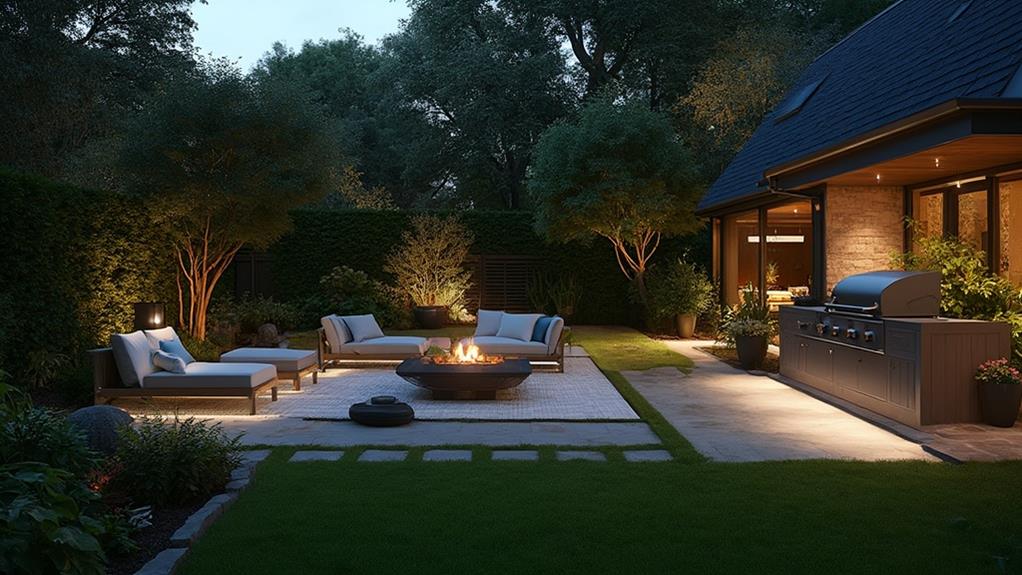


Smart technology is transforming outdoor living spaces with innovative solutions. Automated irrigation systems optimize watering schedules using sensors and weather data. Intelligent lighting offers energy-efficient LED options with customizable colors and motion activation. Weather-responsive structures adapt to environmental conditions, providing comfort and protection. High-tech grilling and cooking equipment features Wi-Fi connectivity and precise temperature control. Landscape maintenance is simplified through robotic lawn mowers and smart garden sensors. These advancements enhance convenience, efficiency, and enjoyment in outdoor areas. By integrating these technologies, homeowners can create a seamless, connected outdoor experience that maximizes both functionality and relaxation.
Automated Irrigation Systems
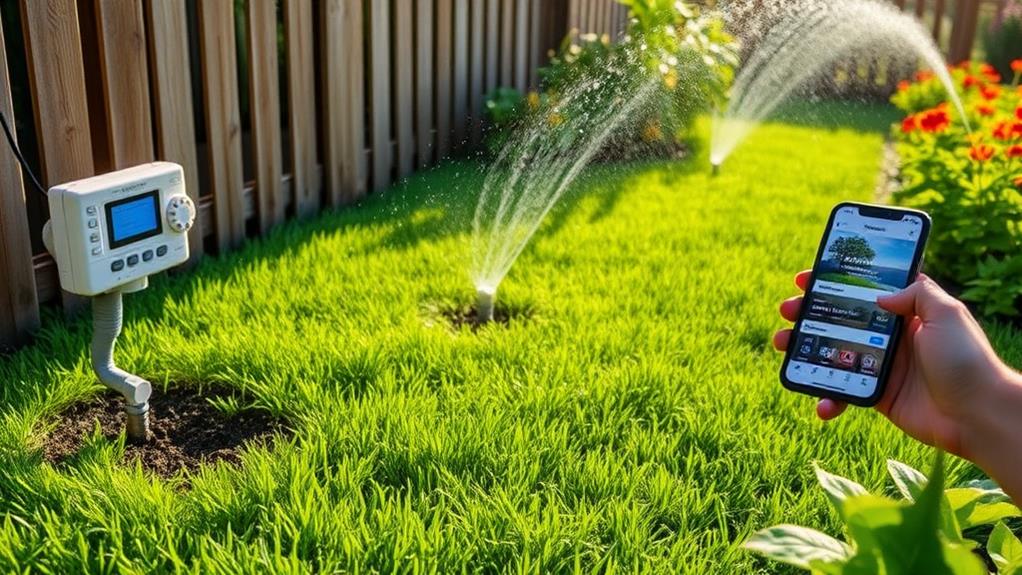
Automated irrigation systems have revolutionized the way homeowners maintain their outdoor spaces. These smart devices use sensors, timers, and weather data to optimize watering schedules, ensuring plants receive the right amount of water at the ideal times. By eliminating manual watering, these systems save time, reduce water waste, and promote healthier plant growth.
Modern automated irrigation systems offer advanced features such as zone-specific programming, allowing users to customize watering patterns for different areas of their yard. Some systems integrate with smartphones, enabling remote control and monitoring. This connectivity allows homeowners to adjust settings on the go and receive alerts about potential issues.
Weather-based controllers take efficiency a step further by automatically adjusting watering schedules based on local weather conditions. These smart controllers use real-time data to reduce water usage during rainy periods or increase it during dry spells. Additionally, soil moisture sensors can be incorporated to measure the actual water content in the soil, ensuring plants are never over- or under-watered.
Smart Outdoor Lighting Solutions
Illumination in outdoor spaces has undergone a significant transformation with the advent of smart lighting solutions. These innovative systems offer homeowners unprecedented control over their outdoor lighting, enhancing both aesthetics and functionality. Smart outdoor lights can be programmed to activate at specific times, respond to motion sensors, or be controlled remotely via smartphone apps.
LED technology forms the backbone of many smart lighting options, providing energy efficiency and longevity. Color-changing capabilities allow users to set the perfect ambiance for any occasion, from warm white for everyday use to vibrant hues for special events. Integration with home automation systems enables seamless operation alongside other smart devices.
Security is another key benefit of smart outdoor lighting. Motion-activated lights can deter intruders and illuminate pathways for safety. Some systems even incorporate cameras for enhanced surveillance. Weather-resistant designs ensure durability in various climates.
Installation options range from simple plug-and-play fixtures to more complex wired systems. Many smart lights are solar-powered, reducing energy costs and environmental impact. As technology advances, expect to see further innovations in smart outdoor lighting, including improved connectivity and more sophisticated customization options.
Weather-Responsive Outdoor Structures
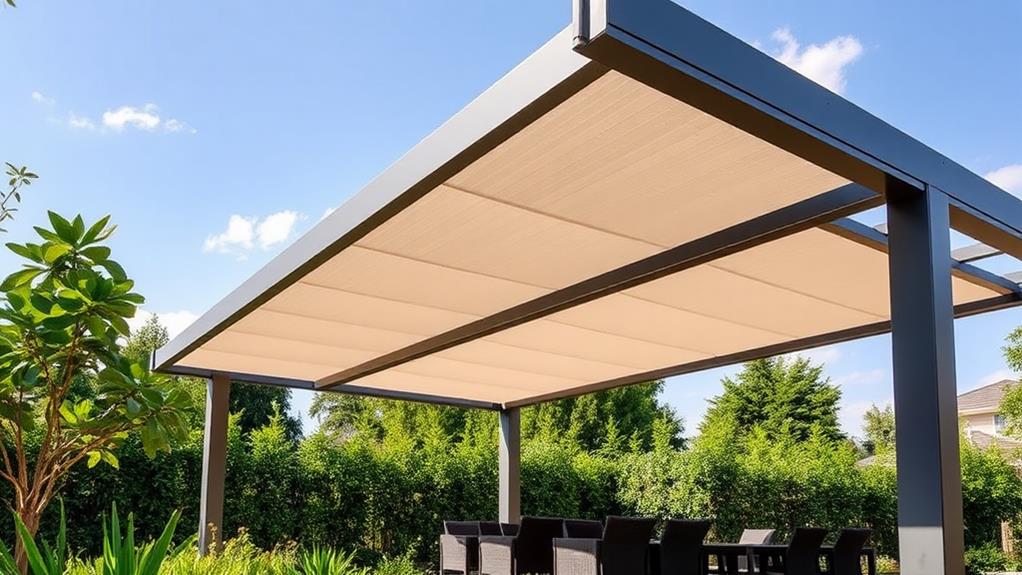
How can outdoor structures adapt to ever-changing weather conditions? Weather-responsive outdoor structures incorporate smart technology to automatically adjust to environmental factors, enhancing comfort and protection. These innovative designs utilize sensors and motorized components to react to rain, wind, sun, and temperature fluctuations.
Retractable awnings and pergolas equipped with rain and wind sensors can extend or retract based on weather conditions. Some models feature adjustable louvers that rotate to block sun or allow airflow.
Smart gazebos and pavilions may include automated side panels that lower during inclement weather or raise for improved ventilation. Temperature-responsive materials in decking and patio surfaces can help regulate heat absorption and reflection. Some advanced systems integrate with weather forecasting data to anticipate and prepare for upcoming conditions.
Motorized screens or blinds can deploy to block UV rays or insects while maintaining views. These weather-responsive structures often connect to home automation systems, allowing users to monitor and control them remotely. By seamlessly adapting to changing weather, these smart outdoor structures extend the usability of outdoor spaces and provide enhanced protection for outdoor furniture and equipment.
High-Tech Grilling and Cooking
While weather-responsive structures enhance outdoor comfort, smart technology is also revolutionizing outdoor cooking experiences. High-tech grilling and cooking appliances now offer unprecedented control and convenience for outdoor chefs.
Smart grills equipped with Wi-Fi connectivity allow users to monitor and adjust temperatures remotely via smartphone apps. These grills often feature multiple temperature probes for precise cooking of various meats simultaneously. Some models incorporate artificial intelligence to optimize cooking times and temperatures based on food type and user preferences.
Outdoor pizza ovens with digital controls enable precise temperature management for perfect crusts. Smokers with automated pellet feeders maintain consistent smoke levels without constant monitoring. Solar-powered cookers harness renewable energy for eco-friendly outdoor meal preparation.
Voice-activated assistants integrated into outdoor kitchens can set timers, convert measurements, and even suggest recipes. Smart refrigerators and beverage coolers maintain optimal temperatures and alert users when supplies run low.
These innovations not only streamline the cooking process but also enhance food safety by ensuring proper cooking temperatures. As technology advances, outdoor cooking continues to become more efficient, precise, and enjoyable for enthusiasts and casual grillers alike.
Intelligent Landscape Maintenance
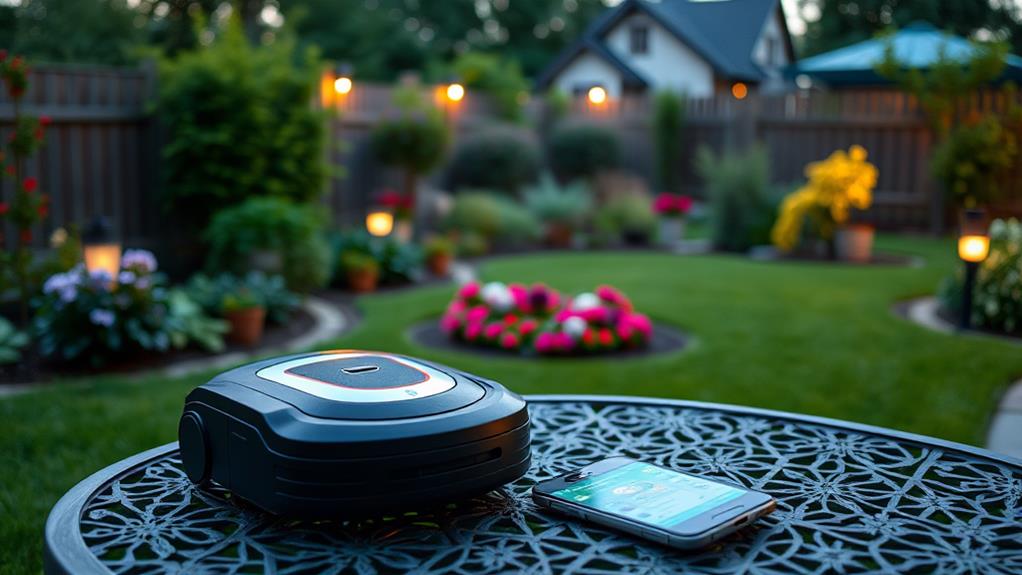
Smart technology has revolutionized landscape maintenance, offering three key advancements for homeowners and professionals alike. First, intelligent irrigation systems utilize weather data and soil moisture sensors to optimize watering schedules, conserving water and promoting plant health. These systems can be controlled remotely via smartphone apps, allowing users to adjust settings on the go.
Second, robotic lawn mowers have transformed grass cutting into an automated process. These devices navigate complex landscapes, avoid obstacles, and maintain lawns with precision, freeing up time for property owners. Many models can be programmed to operate on specific schedules and are equipped with rain sensors to prevent unnecessary mowing in wet conditions.
Lastly, smart garden sensors provide real-time data on soil conditions, light levels, and plant health. These devices can alert users to potential issues, such as nutrient deficiencies or pest infestations, enabling proactive care. Some advanced systems even integrate with automated fertilizer dispensers and pest control mechanisms, creating a comprehensive approach to plant care. By leveraging these intelligent technologies, outdoor spaces can be maintained more efficiently and effectively, resulting in healthier, more vibrant landscapes.
Frequently Asked Questions
How Can I Protect My Smart Outdoor Devices From Theft?
To protect smart outdoor devices from theft, consider using secure mounting brackets, tamper-resistant screws, and motion-activated cameras. Install devices in less accessible areas, use security cables, and enable GPS tracking features. Register devices and keep records of serial numbers.
Are There Any Privacy Concerns With Outdoor Smart Technology?
Are we sacrificing privacy for convenience? Outdoor smart technology can raise privacy concerns due to data collection and potential hacking. Devices with cameras or microphones may inadvertently capture sensitive information. Implement strong security measures and carefully consider device placement to mitigate risks.
What's the Average Cost to Fully Automate an Outdoor Living Space?
The average cost to fully automate an outdoor living space varies widely, ranging from $5,000 to $50,000 or more. Factors influencing price include the size of the area, complexity of systems, and quality of components chosen.
Can Smart Outdoor Systems Be Controlled When I'm Away on Vacation?
As you bask in the sun on a distant beach, your home awaits your command. Modern smart outdoor systems offer remote control capabilities, allowing you to manage lighting, irrigation, security, and climate settings from anywhere with an internet connection.
How Do I Integrate Outdoor Smart Devices With My Existing Home Automation System?
Integrating outdoor smart devices with your existing home automation system typically involves connecting them to a central hub or app. Ensure compatibility, then follow manufacturer instructions to add devices to your network and configure them within your automation platform.
Conclusion
Smart technology has revolutionized outdoor living spaces, offering enhanced convenience, efficiency, and sustainability. From automated irrigation systems to intelligent landscape maintenance, these innovations optimize resource use and reduce environmental impact. A case study of a smart garden in California demonstrated a 30% reduction in water consumption through weather-responsive irrigation. As technology continues to advance, outdoor spaces will become increasingly interconnected, responsive, and eco-friendly, transforming the way people interact with and enjoy their exterior environments.