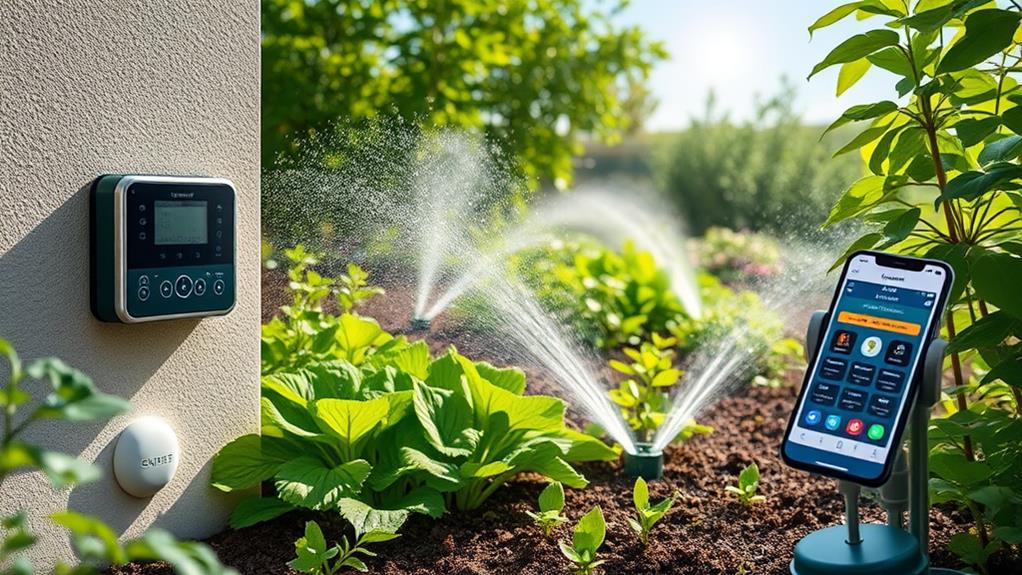


Smart irrigation systems revolutionize garden watering by using advanced sensors, weather data, and automated controllers. You'll benefit from precise water application, reduced consumption, and improved plant health. These systems adjust watering schedules based on real-time conditions, delivering the right amount of water directly to plant roots. Key features include weather-based controllers, soil moisture sensors, and mobile app integration for remote monitoring. While initial costs range from $200 to $2,500, you can expect significant water savings and an ROI within 2-5 years. Smart irrigation not only conserves water but also promotes healthier plant growth and reduces chemical use. Discover how this technology can transform your gardening experience.
Understanding Smart Irrigation Technology
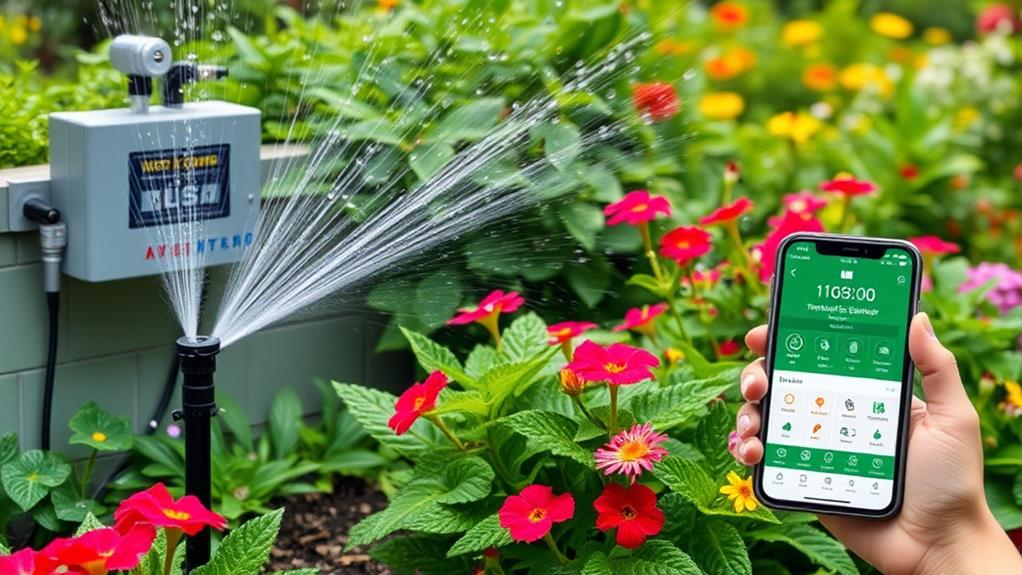
Smart irrigation technology is revolutionizing the way we water our gardens. These systems use advanced sensors, weather data, and automated controllers to deliver the right amount of water to your plants at the right time. You'll find that smart irrigation goes beyond simple timers, adapting to real-time conditions in your garden.
At the heart of these systems are soil moisture sensors that measure the water content in your garden's soil. They communicate this data to a central controller, which then determines when and how much to water. Weather stations or online weather services provide additional information about temperature, humidity, and rainfall, allowing the system to adjust watering schedules accordingly.
You can control your smart irrigation system through smartphone apps or web interfaces. This gives you the ability to monitor and adjust your garden's watering from anywhere. Many systems also offer features like leak detection and flow monitoring to help you conserve water and protect your landscape. By understanding how smart irrigation technology works, you can make informed decisions about implementing these systems in your own garden, leading to healthier plants and reduced water consumption.
Benefits of Automated Watering
Gardeners everywhere are discovering the numerous advantages of automated watering systems. You'll find that these smart solutions can significantly reduce your water usage while improving plant health. By delivering precise amounts of water directly to your plants' roots, automated systems minimize waste and prevent overwatering. This targeted approach ensures that each plant receives the optimal amount of moisture, promoting stronger root systems and healthier growth.
You'll save time and effort with automated watering, as you won't need to manually water your garden daily. These systems can be programmed to water at ideal times, such as early morning or late evening, when evaporation is minimal. You'll also benefit from consistent watering schedules, even when you're away on vacation or busy with other commitments.
Smart irrigation systems can adapt to weather conditions, adjusting watering cycles based on rainfall, temperature, and humidity. This feature helps prevent water waste during rainy periods and increases irrigation during dry spells. You'll also appreciate the ability to control your watering system remotely through smartphone apps, allowing you to make adjustments on the go and monitor your garden's water usage in real-time.
Key Features to Look For
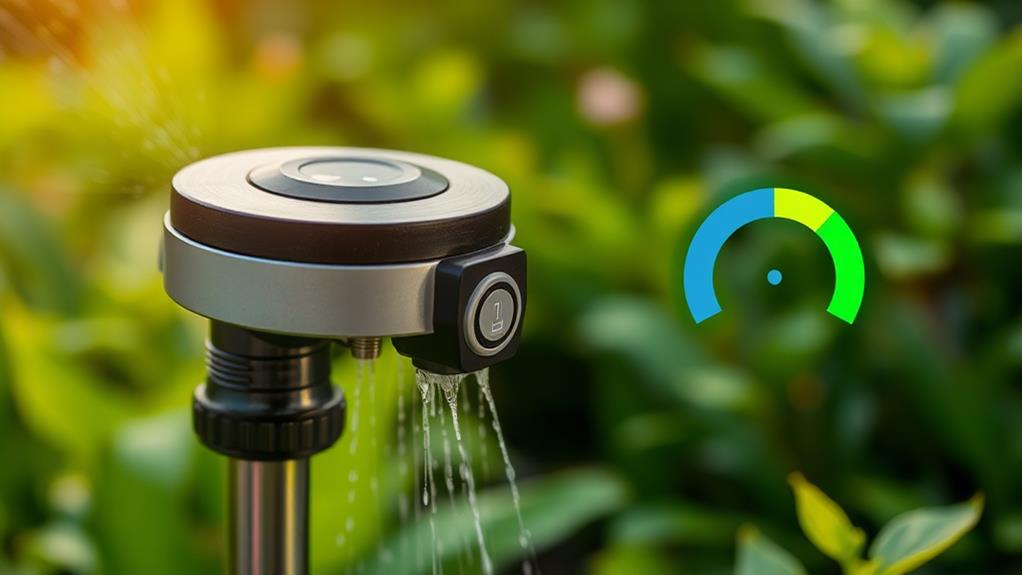
When selecting a smart irrigation system, what key features should you prioritize? Look for systems with weather-based controllers that adjust watering schedules based on local climate data. These controllers use real-time information about temperature, rainfall, and humidity to optimize water usage.
Seek out systems with soil moisture sensors, which measure the water content in your soil and prevent overwatering. Flow sensors are also crucial, as they detect leaks and automatically shut off the water supply to prevent waste and damage.
Consider systems with mobile app integration, allowing you to control and monitor your irrigation from anywhere. Multi-zone capabilities are essential for gardens with diverse plant types, enabling you to customize watering schedules for different areas.
Choose systems with easy-to-use interfaces and programmable settings. Look for features like rain delay, which pauses watering after rainfall, and cycle and soak functionality, which prevents runoff by applying water in shorter bursts.
Lastly, ensure the system is compatible with your existing irrigation setup and can be expanded if needed. By prioritizing these key features, you'll select a smart irrigation system that maximizes efficiency and promotes a thriving garden.
Installation and Setup Process
Once you've selected a smart irrigation system with the right features, it's time to set it up in your garden. Start by carefully planning the layout of your irrigation zones, considering plant types, sun exposure, and soil conditions.
Next, install the main control unit in a convenient location with access to power and Wi-Fi.
Begin laying out your irrigation pipes and connecting them to your water source. Install valves at strategic points to control water flow to different zones. Place sprinklers or drip emitters according to your garden's needs, ensuring proper coverage for all plants.
Connect the valves to the control unit using low-voltage wiring. Install soil moisture sensors in representative areas of each zone, linking them to the control unit. Set up the weather station, if included, in an open area away from obstructions.
Download the system's app and follow the instructions to connect your smartphone to the control unit. Configure your watering schedule, inputting details about your plants, soil type, and local climate. Finally, run a test cycle to check for leaks and adjust sprinkler positions if needed. Your smart irrigation system is now ready to efficiently water your garden.
Maintenance and Troubleshooting Tips
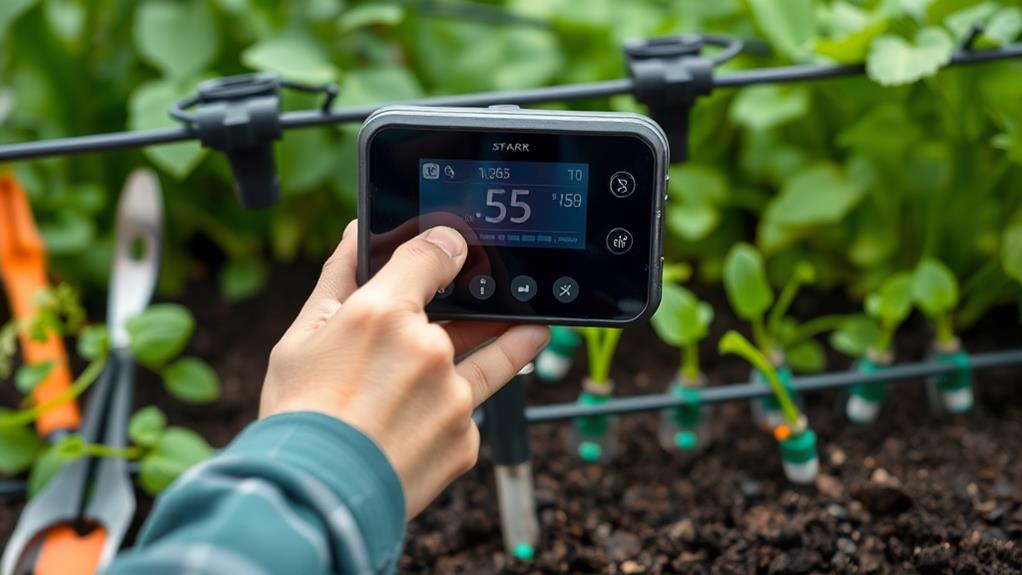
In spite of their advanced technology, smart irrigation systems still require regular maintenance to function optimally. You'll need to inspect your system regularly, checking for leaks, clogs, or damaged components. Clean or replace filters monthly to prevent debris buildup, and ensure sprinkler heads aren't obstructed by overgrown plants or soil.
If you notice uneven watering or dry spots in your garden, check your system's pressure and adjust it if necessary. Recalibrate soil moisture sensors annually to maintain accuracy. During winter, drain the system to prevent freezing and damage to pipes.
For troubleshooting, first check your system's power source and connections. If it's not responding to your app, restart both the controller and your device. Verify that your Wi-Fi signal is strong enough to reach the controller. If you're experiencing unexpected watering cycles, review your programmed schedule and weather data settings.
When facing persistent issues, consult your system's manual or contact the manufacturer's support team. They can often diagnose problems remotely by accessing your system's data. By maintaining your smart irrigation system diligently, you'll ensure its longevity and maximize water efficiency in your garden.
Cost Considerations and ROI
While maintaining your smart irrigation system is important, you'll also want to consider its financial impact. The initial cost of a smart irrigation system can range from $200 to $2,500, depending on the size of your garden and the system's features. However, it's crucial to look beyond the upfront expenses and consider the long-term savings.
You'll likely see a reduction in your water bills within the first few months of installation. Smart systems can cut water usage by 20-50%, translating to significant savings over time. Additionally, you'll save on labor costs if you previously hired someone to manage your irrigation.
The return on investment (ROI) for a smart irrigation system typically occurs within 2-5 years. Factors affecting ROI include your local water rates, climate, and garden size. Some regions offer rebates or tax incentives for installing water-efficient systems, which can further offset costs.
To maximize your ROI, choose a system that fits your specific needs and garden layout. Don't overpay for features you won't use, but ensure the system can grow with your garden's changing requirements.
Environmental Impact and Sustainability
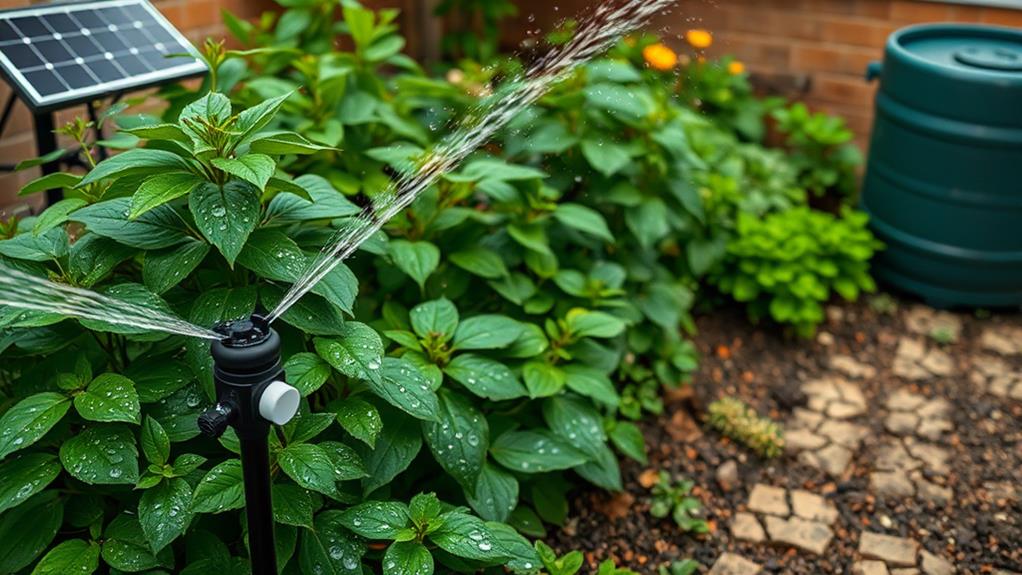
Smart irrigation systems offer three key environmental benefits that make them a sustainable choice for garden watering. First, they significantly reduce water waste by delivering precise amounts of water exactly where it's needed. You'll conserve this precious resource while maintaining a healthy garden.
Second, these systems minimize runoff and soil erosion. By controlling water flow and timing, you'll prevent excess water from carrying away topsoil and pollutants into nearby water bodies.
Third, smart irrigation promotes healthier plant growth, reducing the need for chemical fertilizers and pesticides. When plants receive optimal water, they're more resistant to pests and diseases. You'll use fewer harmful chemicals, protecting local ecosystems and groundwater.
Additionally, many smart systems use weather data and soil moisture sensors to adjust watering schedules automatically. This means you're not wasting energy pumping water when it's not needed. Some systems even integrate with renewable energy sources like solar panels, further reducing their environmental footprint. By choosing a smart irrigation system, you're not only creating an efficient garden but also contributing to a more sustainable future for your local environment and beyond.
Conclusion
You've learned how smart irrigation can revolutionize your garden care. By adopting this technology, you'll save time, water, and money while maintaining a healthier landscape. Interestingly, studies show that smart irrigation systems can reduce water usage by up to 50% compared to traditional methods. As you consider implementing this eco-friendly solution, remember that the initial investment will pay off through lower water bills and increased property value. It's time to water smarter, not harder.