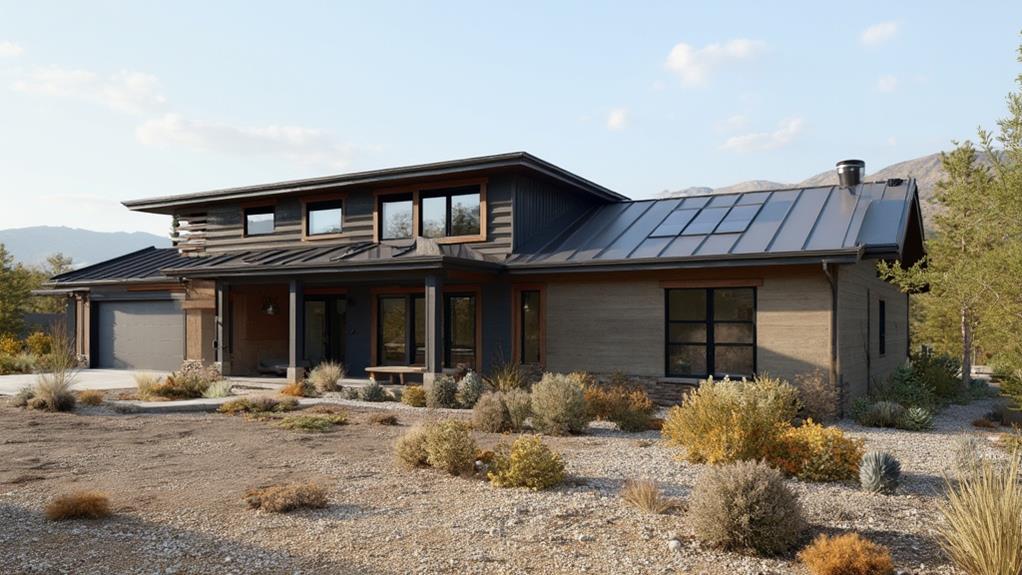

Renovating for fire resistance involves key upgrades to enhance home safety. Start with fire-resistant building materials like fiber cement siding, Class A roofing, and fire-rated windows and doors. Upgrade your electrical system to prevent electrical fires, and install smart smoke detection technology for early warning. Create a defensible space around your home with fire-resistant landscaping. Consider fire-resistant interior materials and a comprehensive sprinkler system. Develop an emergency evacuation plan and ensure compliance with local fire codes. These renovations not only increase safety but can also add value to your home. Explore further to discover more in-depth strategies for fire-proofing your residence.
Fire-Resistant Building Materials
When selecting materials for a fire-resistant home renovation, prioritize options that can withstand high temperatures and slow the spread of flames. Consider using fire-resistant siding materials like fiber cement, stucco, or brick veneer. These materials offer excellent protection against fire and can significantly improve your home's resistance to external ignition sources.
For roofing, opt for Class A fire-rated materials such as concrete or clay tiles, metal roofing, or fire-resistant asphalt shingles. These options provide superior protection against airborne embers and radiant heat. Replace wooden decks with composite decking or fire-resistant wood alternatives treated with fire-retardant chemicals.
Interior renovations should focus on fire-resistant drywall, which contains glass fibers and other non-combustible materials. Use fire-resistant insulation like mineral wool or fiberglass in walls and attics. For windows, consider installing dual-pane tempered glass or fire-resistant shutters to prevent heat transfer and reduce the risk of breakage during a fire.
When renovating doors, choose fire-rated options made from steel, fiberglass, or solid wood core. These materials can withstand high temperatures and slow the spread of fire between rooms, providing crucial time for evacuation and firefighting efforts.
Upgraded Electrical Systems
Upgrading electrical systems is a key component of creating a fire-resistant home. Outdated or faulty wiring can be a significant fire hazard, making it crucial to address these issues during renovations. Start by having a licensed electrician inspect your home's electrical system to identify potential problems and areas for improvement.
Consider installing arc fault circuit interrupters (AFCIs) on all circuits. These devices detect electrical arcs that can lead to fires and shut off power before a fire can start. Upgrade your electrical panel to ensure it can handle your home's power needs safely. Replace old wiring, especially if your home still has aluminum wiring, which is more prone to overheating.
Install tamper-resistant receptacles to prevent electrical fires caused by objects inserted into outlets. Use surge protectors to safeguard against power surges that can damage equipment and potentially start fires. Ensure proper insulation around electrical components and avoid overloading circuits. Lastly, consider implementing a whole-house surge protection system to provide comprehensive protection against electrical fires. These upgrades not only enhance fire resistance but also improve overall electrical safety and efficiency in your home.
Smart Smoke Detection Technology
Smart smoke detection technology represents a significant advancement in home fire safety systems. These modern devices offer enhanced capabilities compared to traditional smoke alarms, providing homeowners with improved early warning and increased protection against fire hazards.
Smart smoke detectors utilize advanced sensors and connectivity features to detect various types of fires more accurately and quickly. They can differentiate between slow-burning and fast-flaming fires, reducing false alarms and ensuring a more reliable response. Many models incorporate both photoelectric and ionization sensors for comprehensive coverage.
These devices integrate seamlessly with home automation systems, allowing for remote monitoring and alerts via smartphone apps. Some smart detectors can even communicate with each other, triggering all alarms in the house when one detects smoke. This interconnected approach ensures that occupants are alerted regardless of their location within the home.
Additional features of smart smoke detectors include voice alerts, which can provide specific instructions during an emergency, and self-testing capabilities to ensure continuous functionality. Some models also incorporate carbon monoxide detection, offering dual protection against multiple household hazards.
Fire-Rated Windows and Doors
A critical component of fire-resistant home design is the installation of fire-rated windows and doors. These specialized products are engineered to withstand high temperatures and prevent the spread of flames, smoke, and toxic gases during a fire event. Fire-rated windows typically feature tempered or ceramic glass, which is designed to remain intact under extreme heat. They are often constructed with multiple layers and intumescent strips that expand when exposed to high temperatures, sealing any gaps.
Fire-rated doors are manufactured using fire-resistant materials such as steel, gypsum, or specially treated wood. They are equipped with self-closing mechanisms and intumescent seals to maintain their integrity during a fire. When selecting fire-rated windows and doors, homeowners should consider the fire-resistance rating, which indicates the duration the product can withstand fire exposure. Common ratings include 20, 45, 60, and 90 minutes. Installation should be performed by certified professionals to ensure proper fit and functionality. Upgrading to fire-rated windows and doors not only enhances home safety but may also lead to reduced insurance premiums and increased property value.
Exterior Landscaping for Prevention
Creating a fire-resistant landscape around your home serves as a crucial defense against wildfires. Implement a defensible space strategy by dividing your property into zones.
In the immediate 30-foot radius around your house, remove flammable vegetation and use fire-resistant plants. Opt for plants with high moisture content and low oil or resin levels, such as succulents, rockrose, and lavender.
Maintain a well-irrigated lawn and keep it trimmed short. Create firebreaks using hardscaping elements like stone walls, gravel paths, and concrete patios. These non-combustible features can slow or stop the spread of fire. Prune trees regularly, removing lower branches to prevent "ladder fuels" that allow flames to climb.
In the outer zones (30-100 feet from the house), space trees and shrubs widely to prevent fire from jumping between them. Remove dead vegetation, fallen leaves, and pine needles regularly. Consider installing a sprinkler system that can be activated during a fire threat. Lastly, store firewood and other combustible materials at least 30 feet away from your home to reduce fire risk.
Fireproof Roofing Solutions
For homeowners seeking to enhance their property's fire resistance, the roof stands as a critical line of defense. Implementing fireproof roofing solutions can significantly reduce the risk of fire damage and spread. Class A fire-rated materials offer the highest level of protection and include options such as concrete or clay tiles, metal roofing, and slate.
Concrete and clay tiles are popular choices due to their durability and fire-resistant properties. These materials are non-combustible and can withstand high temperatures. Metal roofing, including steel, copper, and aluminum, provides excellent fire resistance and reflects radiant heat. Slate roofing, while more expensive, offers superior fire protection and longevity.
For those with existing asphalt shingle roofs, applying fire-resistant coatings or upgrading to fire-resistant asphalt shingles can improve protection. When installing a new roof or retrofitting an existing one, it's crucial to use fire-resistant underlayment and ensure proper installation of all components. Regular maintenance, including clearing debris from gutters and roof valleys, further enhances fire safety. Consulting with a roofing professional experienced in fire-resistant installations can help homeowners select the most suitable solution for their specific needs and local fire codes.
Frequently Asked Questions
How Much Does It Cost to Fireproof an Existing Home?
The cost to fireproof an existing home varies widely, typically ranging from $3,000 to $50,000 or more. Factors influencing the price include home size, materials used, extent of modifications required, and local labor costs.
Can Fire-Resistant Renovations Increase My Home's Resale Value?
Fire-resistant renovations can potentially increase your home's resale value. These improvements enhance safety, which is attractive to buyers. Additionally, they may reduce insurance costs and provide peace of mind, making your property more appealing in the real estate market.
Are There Tax Incentives for Implementing Fire-Resistant Home Improvements?
Tax incentives for fire-resistant home improvements vary by location. Some states and municipalities offer property tax reductions, rebates, or grants for implementing specific fire safety measures. Check with local authorities or a tax professional for available incentives in your area.
How Often Should Fire-Resistant Features Be Inspected or Maintained?
Picture a fortress standing strong against time's relentless march. Fire-resistant features should be inspected annually, with professional assessments every 3-5 years. Regular maintenance, such as cleaning gutters and trimming vegetation, should be performed seasonally to ensure optimal protection.
What Insurance Discounts Are Available for Fire-Resistant Home Renovations?
Insurance companies often offer discounts for fire-resistant home renovations. These may include reduced premiums for installing fire-resistant roofing, siding, or sprinkler systems. Discounts vary by insurer, so it's best to consult your insurance provider for specific options.
Conclusion
Transforming homes into impenetrable fortresses against raging infernos requires a multifaceted approach. By incorporating fire-resistant materials that could withstand the heat of a thousand suns, upgrading electrical systems to rival NASA's mission control, and implementing smart smoke detection technology that could sense danger from miles away, homeowners can dramatically enhance safety. Coupled with fire-rated windows strong enough to repel fireballs, strategic landscaping creating barren fire breaks, and roofing that could shrug off a meteor shower, these renovations form an unassailable defense against the flames of destruction.