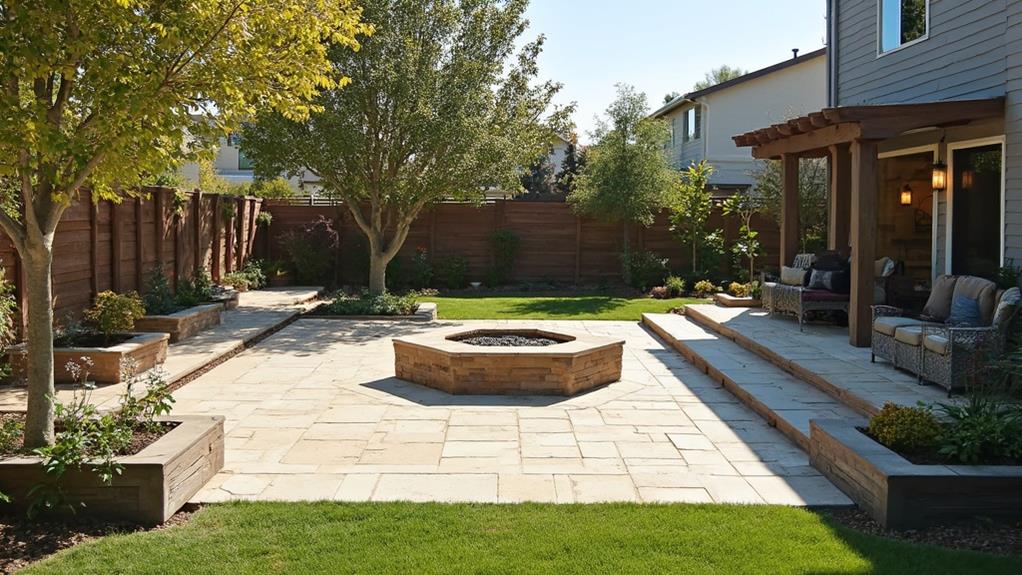


Renovating outdoor spaces for multi-generational living involves creating inclusive, functional areas that cater to diverse needs and abilities. Key elements include wide, level pathways with non-slip surfaces, adequate lighting, and flexible seating options. Incorporate age-friendly landscaping solutions like raised garden beds and low-maintenance plants. Design multi-functional gathering areas with modular furniture and tech-friendly features. Prioritize safety with childproof locks, pool alarms, and rounded furniture edges. Ensure accessibility by installing handrails, providing ample seating, and offering adjustable shade options. By considering these factors, you can create an outdoor space that promotes inclusivity, safety, and enjoyment for all family members. Discover how to transform your backyard into a multi-generational oasis.
Designing Inclusive Outdoor Spaces
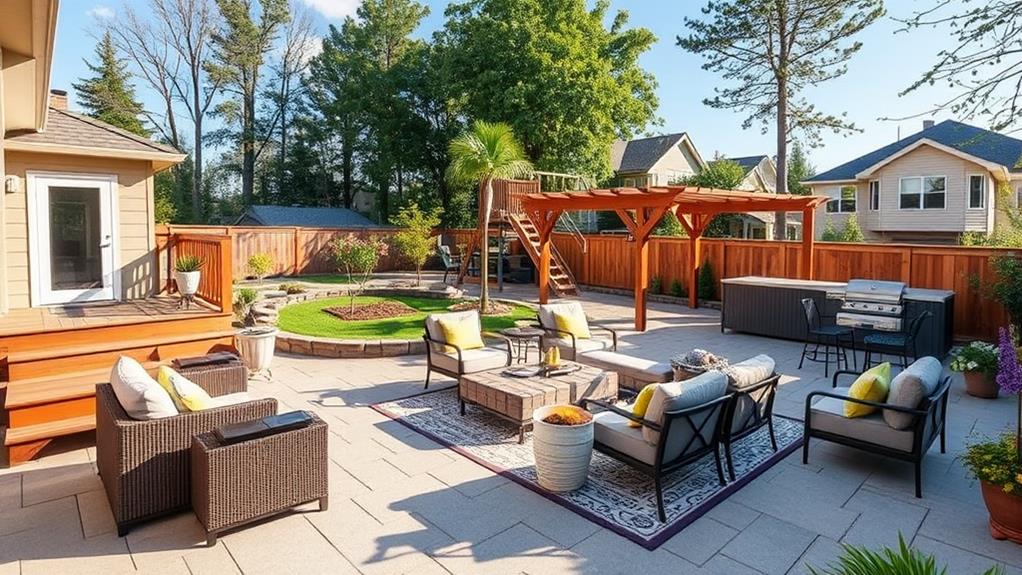
When designing inclusive outdoor spaces for multi-generational living, it is essential to consider the diverse needs and preferences of all age groups. This approach ensures that everyone, from young children to elderly family members, can enjoy and safely navigate the outdoor area. Key considerations include accessibility, safety features, and versatile activity zones.
Incorporate wide, level pathways with slip-resistant surfaces to accommodate wheelchairs, walkers, and strollers. Install handrails and adequate lighting along walkways and stairs for added support and visibility.
Create multiple seating areas with a variety of options, including sturdy benches with backs and armrests for older adults, as well as more casual seating for younger family members.
Design flexible spaces that can adapt to different activities and age groups. Include areas for children's play equipment, raised garden beds for seniors, and open spaces for group activities. Consider installing shade structures or pergolas to provide protection from the sun and create comfortable gathering spots.
Implement low-maintenance landscaping with native plants to reduce upkeep and create a sustainable environment. By thoughtfully addressing the needs of all generations, you can create an outdoor living space that fosters connection and enjoyment for the entire family.
Age-Friendly Landscaping Solutions
Building on the concept of inclusive outdoor spaces, age-friendly landscaping solutions focus specifically on creating environments that cater to the changing needs of older adults while remaining enjoyable for all age groups. These solutions prioritize safety, accessibility, and comfort without compromising aesthetic appeal.
Key elements of age-friendly landscaping include level, non-slip surfaces for walkways and patios, using materials like textured concrete or rubber pavers. Adequate lighting along paths and in seating areas enhances visibility and security. Raised garden beds and vertical gardens allow seniors to continue enjoying gardening without excessive bending or kneeling.
Incorporating plenty of seating options with sturdy armrests and backs provides resting spots throughout the outdoor space. Shade structures like pergolas or trees offer protection from sun exposure. Low-maintenance plants reduce the need for constant upkeep, while sensory gardens with fragrant flowers and textured foliage stimulate the senses.
Water features should be designed with safety in mind, avoiding deep pools or slippery surfaces. Installing handrails along steps and inclines adds support and stability. By implementing these age-friendly landscaping solutions, outdoor spaces become more accessible and enjoyable for all family members, fostering multi-generational interaction and shared experiences.
Multi-Functional Gathering Areas
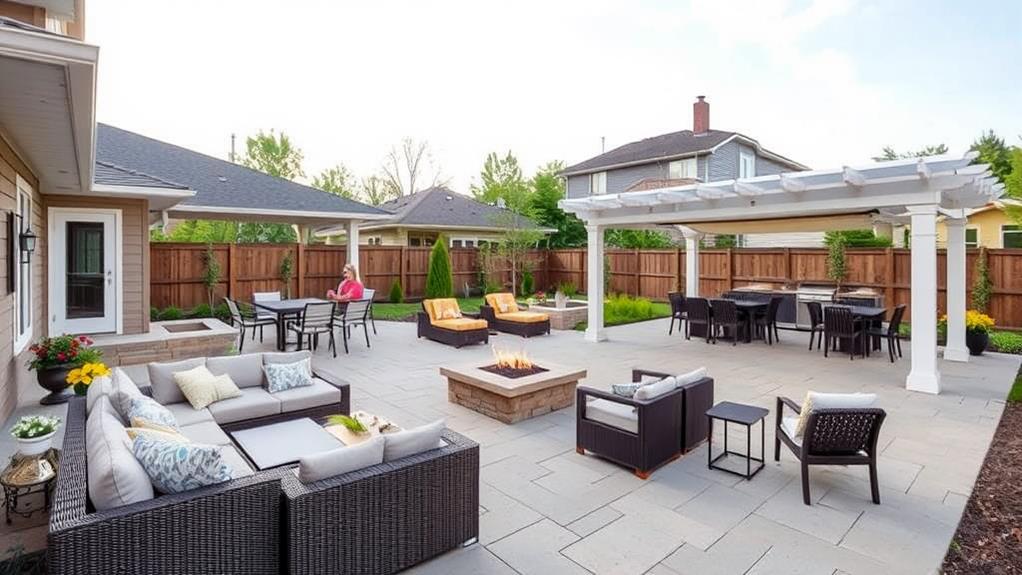
To accommodate diverse needs and activities in multi-generational outdoor spaces, multi-functional gathering areas serve as versatile hubs for family interaction and entertainment. These areas are designed to adapt to various uses, catering to different age groups and preferences.
Key features include flexible seating arrangements, such as modular furniture or built-in benches that can be easily reconfigured for different group sizes and activities.
Incorporate elements that appeal to various generations, like a fire pit for cozy gatherings, a built-in grill for family cookouts, and a weather-resistant TV or projector screen for outdoor movie nights. Consider installing adjustable shade structures to provide comfort for all ages during different times of the day. Integrating technology, such as Wi-Fi extenders and charging stations, can enhance the area's functionality for younger family members.
To maximize space utilization, opt for multi-purpose features like storage benches or convertible tables that can transition from dining to game surfaces. Include adequate lighting options to extend the usability of the space into the evening hours, with a mix of ambient, task, and accent lighting to create the right atmosphere for various activities and moods.
Safety Features for All Ages
Safety considerations are paramount when designing multi-generational outdoor living spaces. Implementing features that protect all age groups, from young children to seniors, ensures a secure environment for everyone to enjoy.
Start by installing adequate lighting throughout the outdoor area, including motion-sensor lights and pathway illumination to prevent trips and falls. Non-slip surfaces for decks, patios, and walkways are essential, particularly in areas prone to moisture.
For pools and water features, incorporate multiple safety measures such as fencing, self-closing gates, and pool alarms. Childproof locks on outdoor storage units and equipment sheds prevent access to potentially dangerous tools or chemicals.
When designing seating areas, choose furniture with rounded edges and stable bases to reduce injury risks. Include handrails and grab bars near steps, ramps, and in transition areas between different levels of the outdoor space. Consider installing an emergency call system or outdoor intercom for quick communication in case of accidents.
Regularly inspect and maintain all outdoor equipment, play structures, and surfaces to ensure they remain in safe condition. By prioritizing these safety features, you create an inclusive outdoor living area that accommodates the needs of all family members.
Incorporating Accessibility Elements
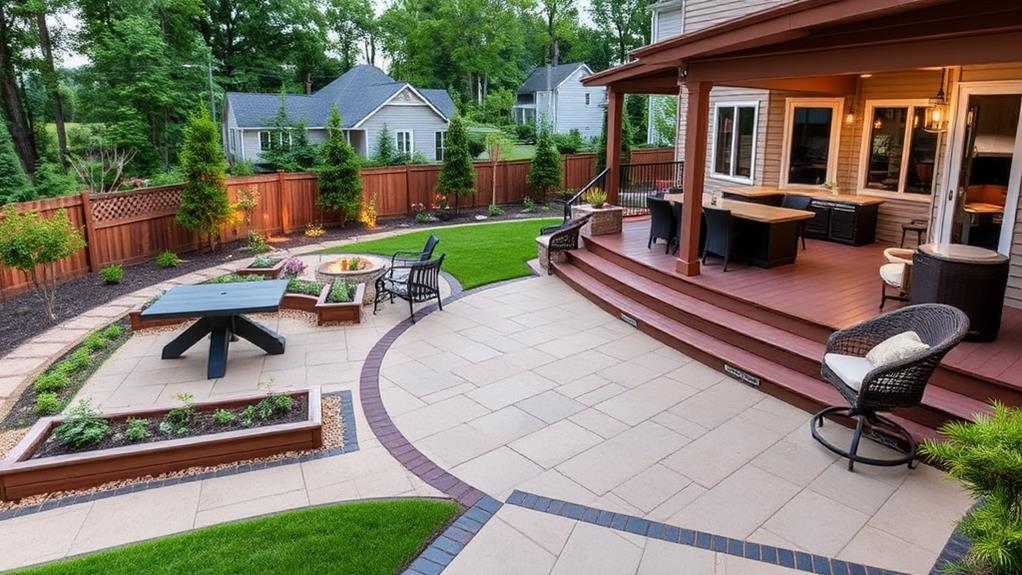
While safety features lay the groundwork for a secure outdoor environment, accessibility elements ensure that all family members can fully enjoy the space regardless of their physical abilities. When renovating for multi-generational outdoor living, consider incorporating wide, level pathways with non-slip surfaces to accommodate wheelchairs, walkers, and strollers.
Install handrails along steps and inclines to provide support for those with limited mobility. Raised garden beds and vertical planters offer gardening opportunities for individuals who have difficulty bending or kneeling. Include seating areas with varying heights and sturdy armrests to accommodate different needs and preferences.
Ensure proper lighting throughout the space, especially along pathways and stairs, to enhance visibility for all users. Consider installing a ramp as an alternative to steps, ensuring a gentle slope for easy navigation. Choose outdoor furniture with rounded edges and stable bases to prevent accidents.
Incorporate adjustable shade options, such as retractable awnings or umbrellas, to protect sensitive individuals from excessive sun exposure. By thoughtfully integrating these accessibility elements, you create an inclusive outdoor living space that caters to the diverse needs of a multi-generational family.
Frequently Asked Questions
How Can I Manage Increased Utility Costs for Multi-Generational Outdoor Living Spaces?
To manage increased utility costs for multi-generational outdoor living spaces, consider implementing energy-efficient lighting, solar-powered features, and water-saving irrigation systems. Install programmable thermostats for climate-controlled areas and use natural shade to reduce cooling needs during warmer months.
What Are the Best Plants for Allergy-Prone Family Members in Outdoor Areas?
For allergy-prone individuals, consider low-pollen plants such as:
- Female trees and shrubs
- Hydrangeas
- Azaleas
- Pansies
- Petunias
- Zinnias
- Impatiens
These options provide beautiful outdoor spaces while minimizing allergic reactions.
How Do I Balance Privacy Needs of Different Generations in Shared Outdoor Spaces?
Picture a harmonious garden where privacy flourishes like delicate flowers. Balance generational needs by incorporating strategic landscaping, versatile seating areas, and adaptable screening options. Use plants, trellises, and movable partitions to create flexible, semi-private zones within shared outdoor spaces.
Are There Tax Benefits or Incentives for Creating Multi-Generational Outdoor Living Areas?
While specific tax benefits for multi-generational outdoor living areas are limited, some homeowners may qualify for property tax exemptions or energy efficiency credits when incorporating sustainable features or accessibility improvements into their outdoor renovations. Consult a tax professional for personalized advice.
What Are the Most Cost-Effective Materials for Durable Multi-Generational Outdoor Furniture?
Consider the Smith family's patio makeover: Cost-effective, durable materials for multi-generational outdoor furniture include powder-coated aluminum, teak, and high-density polyethylene. These options offer longevity, weather resistance, and comfort for all ages, ensuring lasting value and enjoyment.
Conclusion
Transforming outdoor spaces to accommodate multi-generational living is a monumental task that can revolutionize family dynamics. By implementing inclusive design principles, age-friendly landscaping, multi-functional gathering areas, comprehensive safety features, and accessibility elements, outdoor environments can become havens for all ages. These renovations not only enhance the usability of spaces but also foster stronger familial bonds and promote active, healthy lifestyles. Ultimately, creating adaptable outdoor living areas ensures that families can enjoy shared experiences and make lasting memories together, regardless of age or ability.