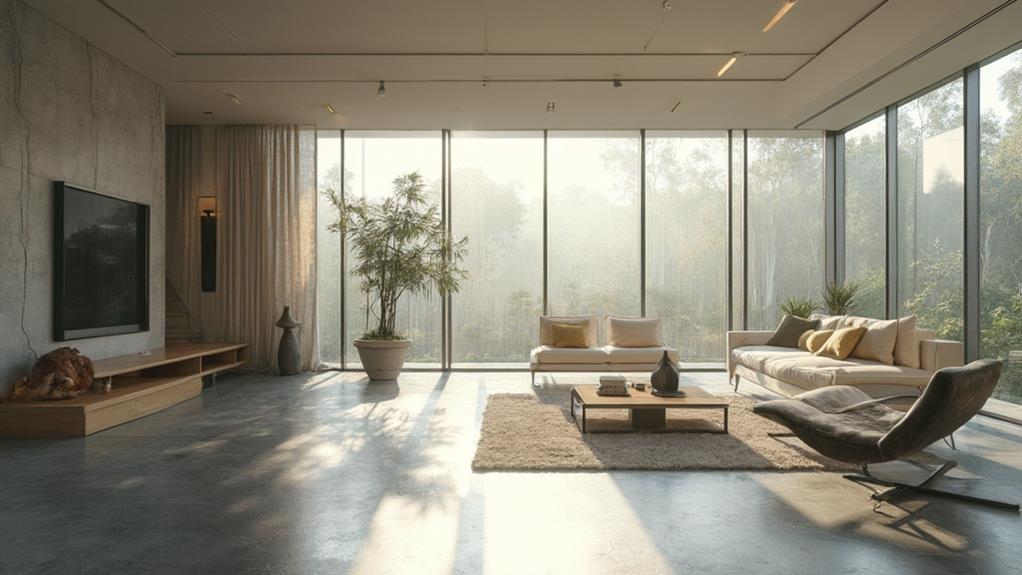


Incorporating smart glass and dynamic windows in your renovation offers significant benefits for energy efficiency, comfort, and aesthetics. Start by identifying key areas like south-facing windows or large glass facades where smart glass can have the most impact. Consider electrochromic options for precise control over tint and opacity. Factor in upfront costs, which range from $50 to $150 per square foot, against potential energy savings of up to 20% on heating and cooling. Integration with smart home systems can enhance functionality through voice control and mobile apps. For optimal results, consult with a professional to tailor the installation to your specific needs and budget. Exploring further can unlock even more possibilities for your smart home upgrade.
Understanding Smart Glass Technology
Smart glass, also known as switchable glass or dynamic glass, represents a cutting-edge technology that allows windows to change their optical properties in response to external stimuli. This innovative material can transition from transparent to opaque, or adjust its tint, based on factors such as light intensity, temperature, or electrical current. The primary types of smart glass include electrochromic, thermochromic, and photochromic variants, each utilizing different mechanisms to achieve their dynamic properties.
Electrochromic smart glass employs a thin film of electrochromic material sandwiched between two glass panes. When an electric current is applied, the film changes its opacity, allowing users to control light transmission and heat gain. Thermochromic glass, on the other hand, responds to temperature changes, automatically adjusting its tint to regulate solar heat gain. Photochromic glass reacts to light intensity, darkening in bright conditions and returning to a clear state in low light. These technologies offer significant advantages in energy efficiency, privacy control, and comfort management, making them increasingly popular choices for modern renovations and new constructions.
Benefits of Dynamic Windows
With the integration of dynamic windows in renovation projects, homeowners and building managers can enjoy a multitude of benefits. These advanced windows offer enhanced energy efficiency by automatically adjusting their tint or opacity based on external conditions, reducing the need for artificial heating and cooling. This translates to significant cost savings on energy bills and a smaller carbon footprint.
Dynamic windows also provide improved comfort for occupants by controlling glare and heat gain. They maintain optimal natural light levels throughout the day, creating a more pleasant indoor environment and potentially boosting productivity in workspaces. Additionally, these windows offer increased privacy on demand, eliminating the need for traditional window coverings.
From a design perspective, dynamic windows contribute to a modern aesthetic and can enhance the overall value of a property. They also protect interior furnishings from UV damage by filtering harmful rays. The versatility of smart glass allows for seamless integration with building management systems, enabling automated control and customization. Lastly, dynamic windows reduce the strain on HVAC systems, potentially extending their lifespan and lowering maintenance costs over time.
Choosing the Right Installation Areas
When considering the installation of dynamic windows or smart glass in a renovation project, where should these innovative features be prioritized? The most effective locations depend on your specific needs and the building's layout. Typically, areas with high sun exposure and frequent occupancy benefit most from dynamic windows.
South-facing windows and large glass facades are prime candidates, as they often receive intense sunlight throughout the day. Living rooms, home offices, and open-plan spaces can greatly benefit from the ability to control light and heat. Bedrooms are also excellent choices, allowing occupants to adjust privacy and light levels effortlessly.
For commercial renovations, conference rooms and reception areas can create a striking impression with smart glass. In restaurants or cafes, dynamic windows can help manage ambiance and temperature throughout the day. Consider installing these technologies in skylights or atrium spaces to maximize natural light while minimizing heat gain.
Bathrooms and dressing areas can benefit from privacy-on-demand features. For energy efficiency, prioritize rooms that experience significant temperature fluctuations due to sunlight exposure. Ultimately, the best installation areas will align with your specific goals for improved comfort, energy savings, and functionality.
Cost Considerations and ROI
Implementing smart glass and dynamic windows in renovation projects represents a significant upfront investment, but it's essential to consider the long-term benefits and potential return on investment (ROI). The initial costs can range from $50 to $150 per square foot, depending on the technology and features chosen. However, these systems can lead to substantial energy savings over time, potentially reducing heating and cooling costs by up to 20%.
When calculating ROI, factor in reduced HVAC expenses, increased occupant comfort, and potential productivity gains in commercial settings. Smart glass can also contribute to LEED certification, potentially increasing property value. Additionally, consider the longevity of these systems, which often have warranties of 10-20 years.
To maximize ROI, focus on areas with high sun exposure or those requiring frequent privacy adjustments. In some cases, partial implementation in strategic locations can provide significant benefits without the full-scale cost. Lastly, explore available tax incentives or rebates for energy-efficient upgrades, which can help offset initial expenses and improve overall ROI.
Integration With Smart Home Systems
Smart glass and dynamic windows can significantly enhance their functionality and convenience when integrated with broader smart home systems. This integration allows for seamless control and automation of window tinting, transparency, and energy management alongside other smart home features.
Voice assistants like Amazon Alexa, Google Assistant, or Apple HomeKit can be used to control smart glass settings through voice commands. Mobile apps enable remote adjustment of window opacity, scheduling, and monitoring of energy performance. Integration with smart thermostats allows dynamic windows to adjust their tint based on indoor temperature, optimizing energy efficiency.
Smart glass can also be synchronized with lighting systems to maintain ideal illumination levels throughout the day. Motion sensors can trigger privacy modes when occupants enter a room. Weather stations can provide data to adjust window tinting based on outdoor conditions automatically.
For maximum efficiency, smart glass can be incorporated into home energy management systems, working in tandem with solar panels, battery storage, and smart appliances to optimize energy usage and reduce utility costs. This holistic approach to home automation enhances comfort, privacy, and energy efficiency while providing a cutting-edge living experience.
Design and Aesthetic Possibilities
Beyond their functional benefits, smart glass and dynamic windows offer a myriad of design and aesthetic possibilities for renovations. These innovative materials can transform the look and feel of a space, providing architects and homeowners with unprecedented flexibility in design.
Smart glass can seamlessly transition from transparent to opaque, allowing for dynamic interior spaces that adapt to different needs and moods. This versatility enables the creation of open-plan layouts that can be instantly partitioned for privacy or transformed for various functions. The ability to control light transmission also offers new opportunities for creating striking visual effects, such as gradient opacity or patterned designs.
In exterior applications, dynamic windows can dramatically alter a building's facade. They can shift from reflective to transparent, changing the structure's appearance throughout the day and responding to environmental conditions. This adaptability not only enhances energy efficiency but also creates a constantly evolving aesthetic that can breathe new life into older buildings or complement modern architectural styles.
Furthermore, smart glass technology can be incorporated into custom shapes and sizes, allowing for unique window designs that serve as focal points in renovations.
Energy Efficiency and Sustainability Impact
The integration of smart glass and dynamic windows in renovations can significantly enhance a building's energy efficiency and sustainability profile. These innovative technologies adapt to changing environmental conditions, optimizing natural light and heat transfer throughout the day. By automatically adjusting their tint or opacity, smart windows reduce the need for artificial lighting and minimize solar heat gain during warmer months, while maximizing it during colder periods.
This dynamic functionality translates into substantial energy savings for heating, cooling, and lighting systems. Studies have shown that buildings equipped with smart glass can reduce energy consumption by up to 20-30% compared to conventional windows. Additionally, these windows contribute to improved indoor comfort by reducing glare and maintaining consistent temperatures, potentially increasing occupant productivity and well-being.
From a sustainability perspective, smart glass and dynamic windows help lower a building's carbon footprint by reducing reliance on HVAC systems and artificial lighting. Their longevity and durability also minimize the need for frequent replacements, further reducing waste and resource consumption. As buildings account for a significant portion of global energy use, incorporating these technologies in renovations represents a meaningful step towards more sustainable urban environments.
Maintenance and Long-Term Performance
Maintaining smart glass and dynamic windows is surprisingly straightforward, contributing to their long-term performance and cost-effectiveness. These advanced glazing systems typically require minimal upkeep compared to traditional windows. Regular cleaning with non-abrasive, pH-neutral solutions is usually sufficient to keep the glass surfaces in optimal condition.
The electronic components of smart glass systems are designed for durability and longevity. Most manufacturers provide warranties ranging from 10 to 20 years, indicating confidence in their products' long-term performance. However, it's essential to follow manufacturer-specific guidelines for maintenance and periodic checks of electrical connections and controls.
Over time, the energy savings and reduced strain on HVAC systems can offset the initial investment in smart glass technology. The absence of mechanical parts in many dynamic window systems further enhances their reliability and reduces the need for repairs or replacements. In the event of performance issues, many smart glass products are modular, allowing for easy component replacement without the need to remove the entire window unit. This feature ensures that the long-term benefits of smart glass can be maintained throughout the building's lifecycle, making it an attractive option for sustainable renovations.
Frequently Asked Questions
Can Smart Glass Be Retrofitted to Existing Windows?
Yes, smart glass can be retrofitted to existing windows. This process typically involves applying a special film or replacing the existing glass pane with a smart glass unit. However, installation complexity may vary depending on the window type and structure.
How Does Weather Affect the Performance of Dynamic Windows?
Weather influences dynamic window performance significantly. Temperature fluctuations can affect tinting speed and energy efficiency. Extreme cold may slow response times, while intense sunlight can impact heat rejection capabilities. Humidity and precipitation can also influence overall functionality and durability.
Are There Any Health Benefits Associated With Using Smart Glass?
Studies show a 15% productivity increase in offices with smart glass. Health benefits include improved circadian rhythm regulation, reduced eyestrain, and enhanced mood due to better light control. Smart glass also minimizes harmful UV exposure, promoting overall well-being.
Can Smart Glass Windows Be Manually Controlled if the Power Fails?
Yes, many smart glass windows can be manually controlled in case of power failure. Some models feature backup batteries or mechanical override systems, allowing users to adjust opacity or transparency manually when necessary, ensuring functionality during outages.
Are There Any Privacy Concerns With Smart Glass in Residential Settings?
Privacy concerns with smart glass in residential settings exist. Potential issues include hacking, data collection, and unauthorized control. Homeowners should consider secure networks, encrypted systems, and manual override options to mitigate risks and protect their privacy.
Conclusion
Smart glass and dynamic windows represent a cutting-edge frontier in home renovation, offering a blend of functionality, aesthetics, and energy efficiency. Like a chameleon adapting to its environment, these technologies seamlessly transition to optimize comfort and utility. As the market matures, costs are likely to decrease, making widespread adoption more feasible. Integrating smart glass into renovation projects not only enhances living spaces but also contributes to sustainable building practices, positioning homes at the forefront of innovative design and energy management.