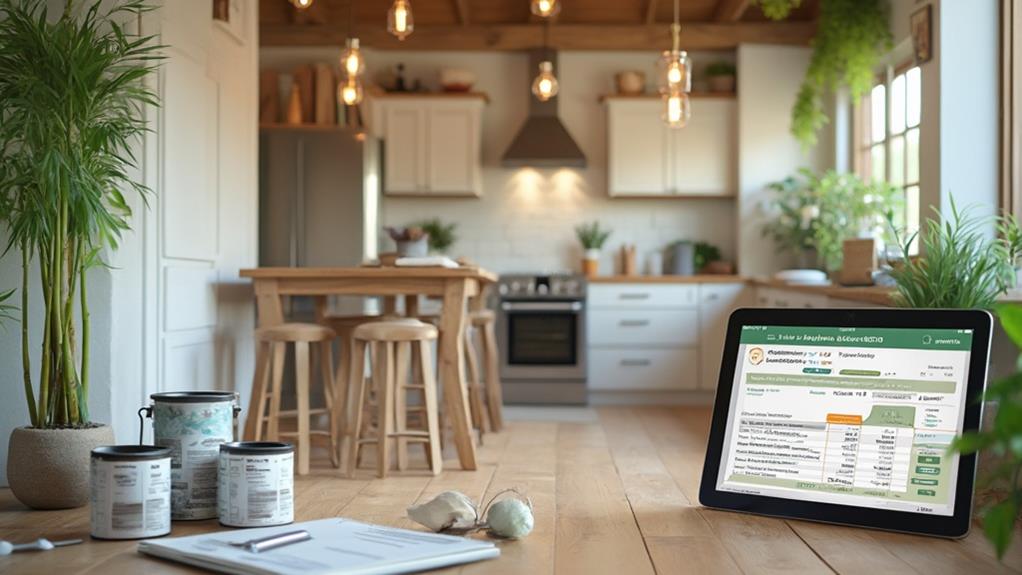


To budget for and incorporate sustainable materials in your renovation, start by setting clear eco-friendly goals and researching cost-effective options. Prioritize high-impact changes like improved insulation and energy-efficient appliances. Create a flexible budget that accounts for potential long-term savings and explore available incentives for green renovations. When sourcing materials, look for certifications like FSC and ENERGY STAR, and consider reclaimed or locally-sourced options to reduce environmental impact. Obtain multiple quotes from experienced contractors and factor in a contingency fund for unexpected expenses. By carefully balancing sustainability objectives with financial considerations, you can make informed decisions for an eco-friendly renovation. Discover more ways to maximize your green renovation efforts.
Set Sustainable Renovation Goals
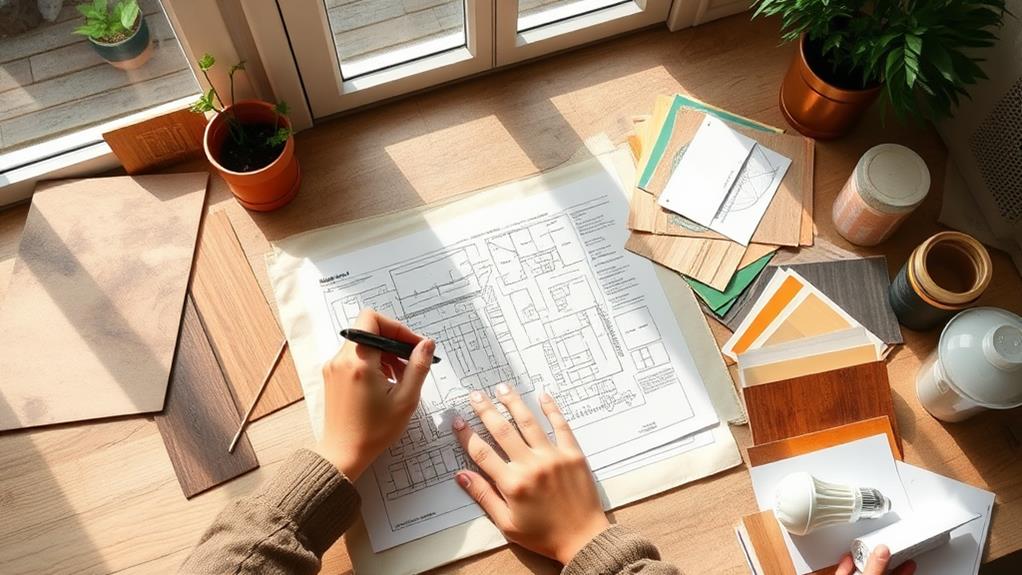
Setting clear and achievable sustainable renovation goals is the cornerstone of any eco-friendly home improvement project. Begin by assessing your home's current energy efficiency, water usage, and overall environmental impact. Identify areas that require immediate attention and prioritize improvements that will yield the most significant environmental and financial benefits.
Consider both short-term and long-term objectives, such as reducing energy consumption, minimizing water waste, improving indoor air quality, and incorporating renewable energy sources. Establish specific, measurable targets for each goal, such as reducing energy bills by 30% or achieving a particular green building certification.
Research local building codes, regulations, and available incentives for sustainable renovations to ensure compliance and maximize potential benefits. Consult with green building professionals or energy auditors to gain expert insights and refine your goals based on your home's unique characteristics and your budget constraints.
Remember to balance your sustainability objectives with other renovation priorities, such as aesthetics, functionality, and resale value. By setting well-defined sustainable renovation goals, you create a roadmap for a successful eco-friendly home improvement project that aligns with your values and long-term vision for your living space.
Research Cost-Effective Eco-Materials
With clear sustainable renovation goals established, the next step is to research cost-effective eco-materials for your project. Begin by exploring local suppliers and online marketplaces specializing in sustainable building materials. Look for products made from recycled content, rapidly renewable resources, or those with low environmental impact during production and use.
Compare the lifecycle costs of eco-friendly options against conventional materials, considering factors like durability, energy efficiency, and maintenance requirements. Investigate certifications such as FSC (Forest Stewardship Council) for wood products, ENERGY STAR for appliances, and GREENGUARD for low-emitting materials.
Consider salvaged or reclaimed materials, which often offer both environmental benefits and unique aesthetic appeal. Research innovative eco-materials like bamboo flooring, recycled glass countertops, or insulation made from recycled denim. Explore locally-sourced options to reduce transportation emissions and support your community's economy.
Consult with green building professionals or attend sustainable home expos to discover emerging eco-friendly products and technologies. By thoroughly researching cost-effective eco-materials, you can make informed decisions that align with your sustainability goals and budget constraints.
Prioritize High-Impact Sustainable Changes
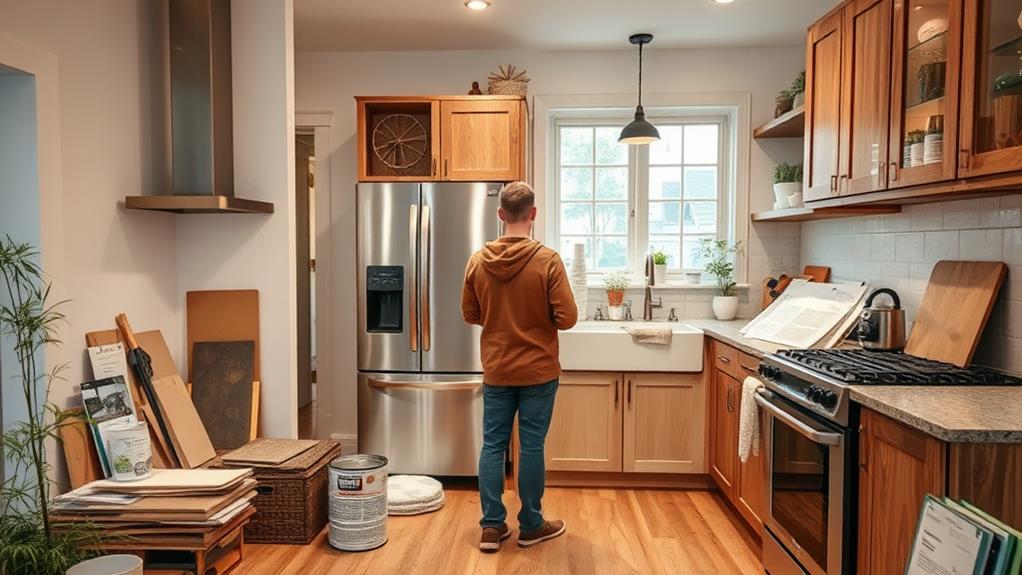
Prioritization is key when embarking on sustainable home renovations. To maximize the impact of your eco-friendly upgrades, focus on areas that consume the most energy and resources. Start with improving insulation in walls, attics, and floors to reduce heating and cooling costs. Replace old windows with energy-efficient models to further enhance thermal performance.
Next, update outdated appliances with ENERGY STAR certified alternatives, particularly high-usage items like refrigerators, washing machines, and HVAC systems. Install low-flow water fixtures and dual-flush toilets to minimize water consumption. Consider implementing a smart home system to optimize energy usage through automated controls for lighting, heating, and cooling.
For significant long-term benefits, invest in renewable energy sources such as solar panels or geothermal systems. These technologies can dramatically reduce your home's carbon footprint and energy bills. When renovating, opt for sustainable flooring materials like bamboo or reclaimed wood, and use low-VOC paints and finishes to improve indoor air quality. By focusing on these high-impact changes, you'll create a more sustainable living environment while potentially increasing your home's value and reducing ongoing maintenance costs.
Create a Flexible Budget
How can homeowners effectively plan for the financial aspects of sustainable renovations? Creating a flexible budget is crucial for success. Start by researching the costs of sustainable materials and technologies you wish to incorporate. Obtain multiple quotes from contractors experienced in eco-friendly renovations to get a realistic estimate of labor costs. Factor in potential energy savings and long-term benefits when considering higher upfront costs for sustainable options.
Build in a contingency fund of 10-20% to account for unexpected expenses or discoveries during the renovation process. Prioritize your sustainable upgrades based on their impact and cost-effectiveness, allowing you to adjust your budget as needed. Consider phasing your renovation if the total cost exceeds your current budget, focusing on the most critical sustainable improvements first.
Explore financing options specifically designed for green renovations, such as energy-efficient mortgages or home equity loans with favorable terms for eco-friendly upgrades. Look into local, state, and federal incentives, tax credits, or rebates for sustainable home improvements to offset costs. Regularly review and adjust your budget throughout the renovation process to ensure you stay on track while achieving your sustainability goals.
Source Materials Responsibly
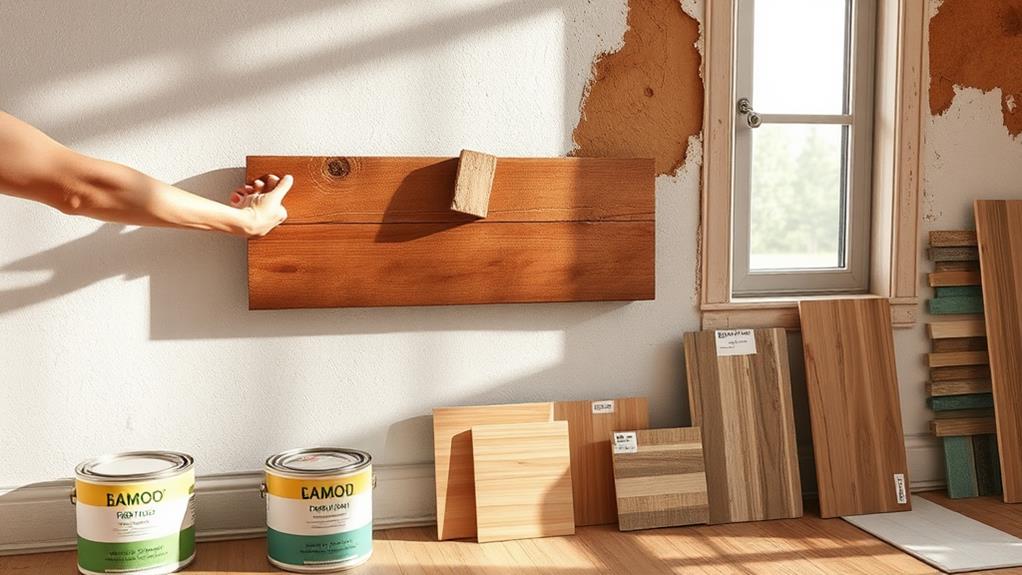
Responsible sourcing of materials is a cornerstone of sustainable home renovation. This practice involves selecting products and suppliers that prioritize environmental preservation, ethical labor practices, and minimal carbon footprints. When sourcing materials, consider factors such as recycled content, renewability, durability, and local availability.
Look for certifications like Forest Stewardship Council (FSC) for wood products, ENERGY STAR for appliances, and GREENGUARD for low-emission materials. Reclaimed or salvaged materials can add character while reducing waste. Research suppliers thoroughly, focusing on those with transparent supply chains and sustainable manufacturing processes.
Consider the entire lifecycle of materials, from extraction to disposal. Opt for products with minimal packaging and those that can be easily recycled or biodegraded at the end of their useful life. Prioritize materials that contribute to energy efficiency, such as high-quality insulation or energy-efficient windows. When possible, choose natural, non-toxic materials to improve indoor air quality and reduce environmental impact. By sourcing responsibly, you not only create a more sustainable home but also support businesses committed to environmental stewardship.
Frequently Asked Questions
How Do Sustainable Renovations Affect Home Resale Value?
Sustainable renovations generally enhance home resale value by appealing to eco-conscious buyers and offering long-term cost savings. Energy-efficient upgrades, sustainable materials, and improved indoor air quality can significantly increase a property's attractiveness and market value.
Are There Tax Incentives for Using Eco-Friendly Materials in Renovations?
Like Robin Hood's rewards for good deeds, many governments offer tax incentives for eco-friendly renovations. These can include credits for energy-efficient appliances, solar panels, and sustainable building materials. Check with local authorities for specific programs available in your area.
What Certifications Should I Look for in Sustainable Building Products?
When selecting sustainable building products, look for certifications such as ENERGY STAR, LEED, FSC (Forest Stewardship Council), Cradle to Cradle, and GreenGuard. These certifications ensure products meet specific environmental and health standards, promoting sustainability in construction and renovations.
How Can I Find Contractors Experienced in Sustainable Renovation Practices?
To find contractors experienced in sustainable renovation practices, search online directories of green builders, consult local green building associations, ask for referrals from eco-friendly suppliers, and verify certifications like LEED or Green Advantage held by potential contractors.
What Are the Long-Term Maintenance Requirements for Sustainable Materials?
As the old adage goes, "An ounce of prevention is worth a pound of cure." Sustainable materials typically require minimal upkeep, focusing on regular cleaning and occasional protective treatments. Some may need periodic refinishing or sealing to maintain their eco-friendly properties and longevity.
Conclusion
Sustainable renovation is akin to tending a garden; it requires careful planning, nurturing, and patience to yield long-term benefits. By setting clear goals, researching eco-friendly options, prioritizing impactful changes, and creating a flexible budget, homeowners can cultivate a more environmentally responsible living space. As the green building market is projected to reach $433.9 billion by 2027, the growing accessibility of sustainable materials ensures that eco-conscious renovations are increasingly attainable, fostering a harmonious relationship between modern living and environmental stewardship.