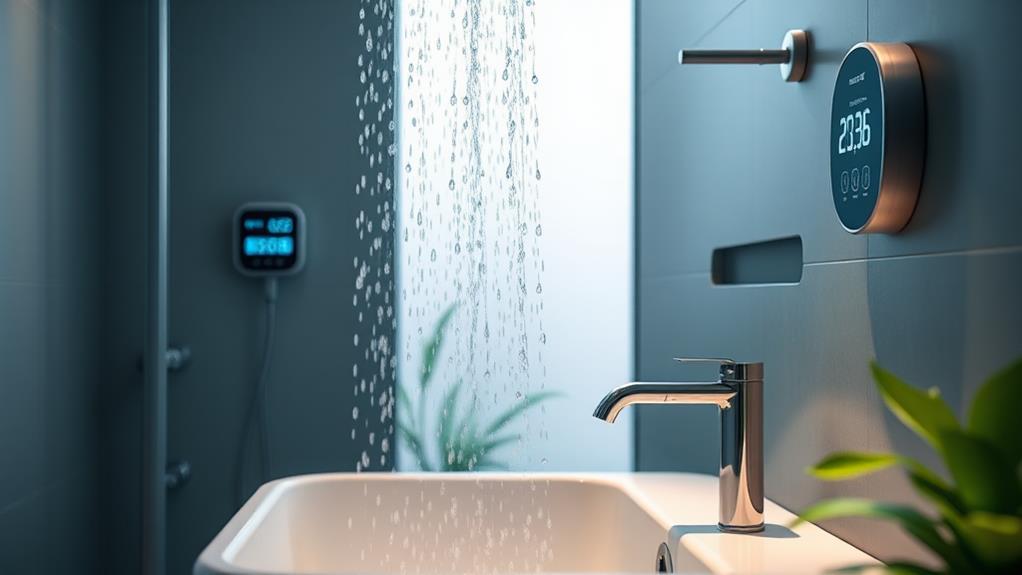


Low-flow fixtures are revolutionizing water conservation in homes. You'll find aerators in faucets mixing air with water, while showerheads use flow restrictors or pulse technology to reduce usage. Dual-flush toilets offer options for different waste types, and modern designs ensure a satisfying experience. Water-efficient appliances like washing machines and dishwashers can save up to 50% water per use. Smart showerheads track usage and allow customization, while faucet aerators can cut water consumption by 60%. High-efficiency toilets and waterless urinals further minimize water waste. These small changes add up to significant savings on your water bill and contribute to environmental conservation. Discover how these innovations can transform your home's water efficiency.
Understanding Low-Flow Fixture Technology
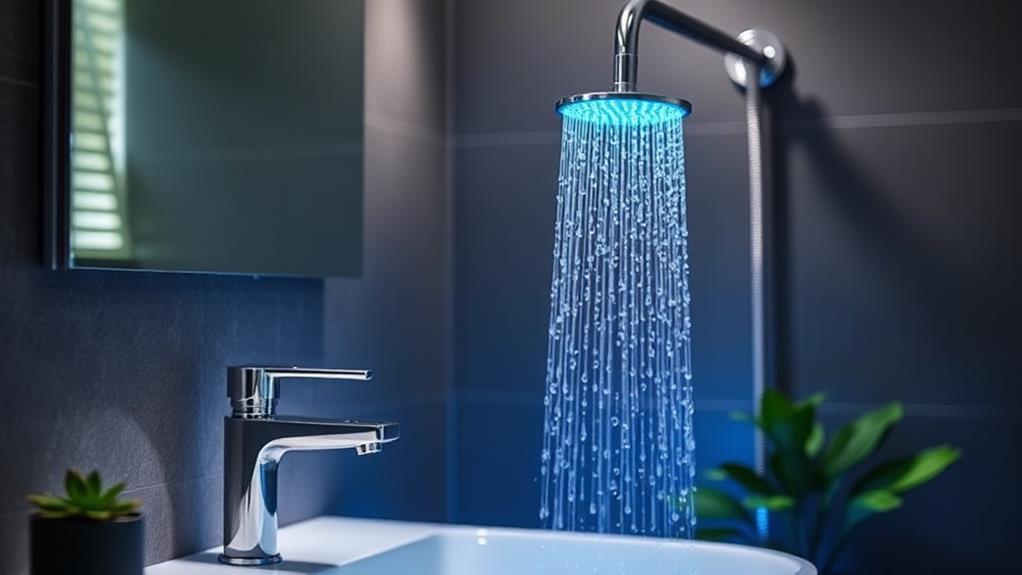
When you think about saving water at home, low-flow fixtures are probably one of the first solutions that come to mind. These innovative devices are designed to reduce water consumption without compromising functionality. They work by limiting the flow rate of water through faucets, showerheads, and toilets.
Low-flow fixtures use various technologies to achieve water savings. Aerators in faucets mix air with water, creating a steady stream while using less water. Showerheads employ flow restrictors or pulse technology to maintain pressure while reducing volume. Dual-flush toilets offer two flush options: a full flush for solid waste and a reduced flush for liquids.
You'll find that modern low-flow fixtures have come a long way from their early counterparts. They're now engineered to provide a satisfying user experience while conserving water. Many incorporate pressure-compensating features to maintain consistent flow regardless of water pressure variations. Some even use sensors or touchless technology to further reduce waste.
Benefits of Water-Efficient Appliances
Beyond low-flow fixtures, water-efficient appliances offer another powerful way to conserve water in your home. These appliances are designed to use significantly less water than their traditional counterparts while maintaining or even improving performance.
You'll find water-efficient models for washing machines, dishwashers, and refrigerators. Modern washing machines can save up to 50% of water per load compared to older models. They use advanced sensors to determine the optimal amount of water needed for each cycle, reducing waste.
Energy-efficient dishwashers use about 3 gallons of water per cycle, compared to 10-15 gallons for hand washing.
By investing in these appliances, you'll not only save water but also reduce your energy bills. Less water usage means less energy required for heating, resulting in lower utility costs. You'll also contribute to environmental conservation by reducing your overall water footprint.
Water-efficient appliances often come with additional features that improve their functionality. For example, some refrigerators have built-in water filters, providing clean drinking water without the need for separate filtration systems. This helps reduce plastic waste from bottled water and further enhances your home's water efficiency.
Latest Innovations in Showerheads
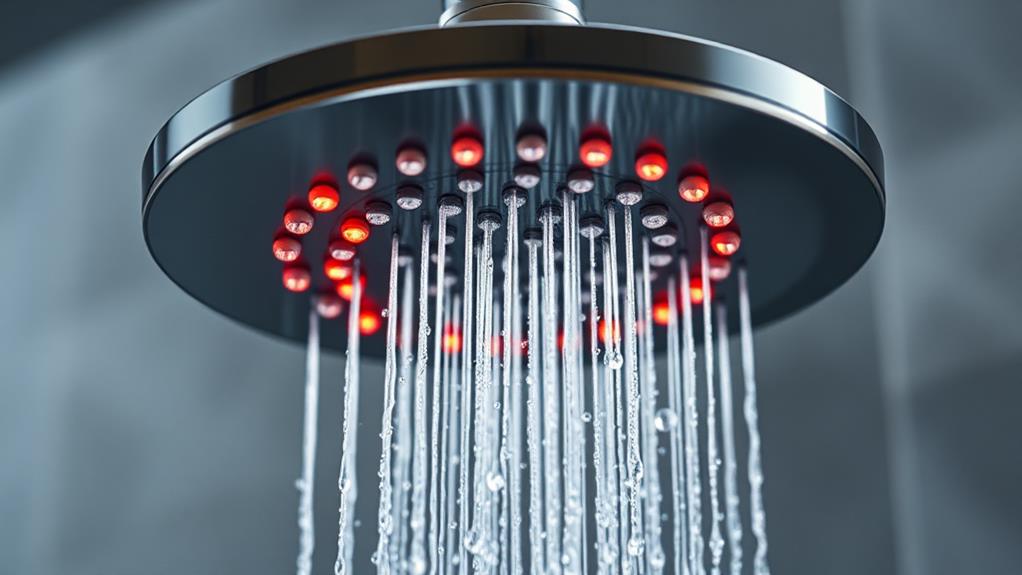
Innovative showerhead designs are revolutionizing water conservation in bathrooms across the globe. You'll find that these new models offer an impressive balance between water efficiency and a satisfying shower experience. Many feature adjustable flow rates, allowing you to customize your shower while still saving water.
One of the latest innovations is the air-infusion technology, which mixes air with water droplets to create a fuller spray using less water. You'll feel like you're getting a powerful shower, even though you're using up to 30% less water than traditional showerheads.
Another exciting development is the introduction of smart showerheads. These devices can track your water usage, set consumption goals, and even pause the flow when you're soaping up. Some models connect to your smartphone, giving you real-time data on your water consumption and savings.
Pulsating and massage features are now being incorporated into low-flow designs, ensuring you don't sacrifice comfort for conservation. You'll also find showerheads with built-in filtration systems, removing chlorine and other impurities for a healthier showering experience.
Faucet Aerators and Flow Regulators
Faucet aerators and flow regulators are the unsung heroes of water conservation in your home. These small devices can significantly reduce your water consumption without compromising functionality. Aerators mix air into the water stream, creating a fuller flow while using less water. Flow regulators, on the other hand, restrict the water flow to a predetermined rate.
You'll find aerators and flow regulators particularly useful in kitchen and bathroom sinks. They're easy to install and can cut your water usage by up to 60%. Modern aerators often come with adjustable flow rates, allowing you to customize water pressure based on your needs. Some even feature swivel heads for better reach and convenience.
When shopping for these devices, look for WaterSense-certified products. They're guaranteed to meet EPA standards for water efficiency. You'll also want to consider the gallons per minute (GPM) rating. For bathroom faucets, aim for 1.5 GPM or less, while kitchen faucets can go up to 2.2 GPM. By implementing these simple yet effective tools, you'll save water and money on your utility bills.
High-Efficiency Toilets and Urinals
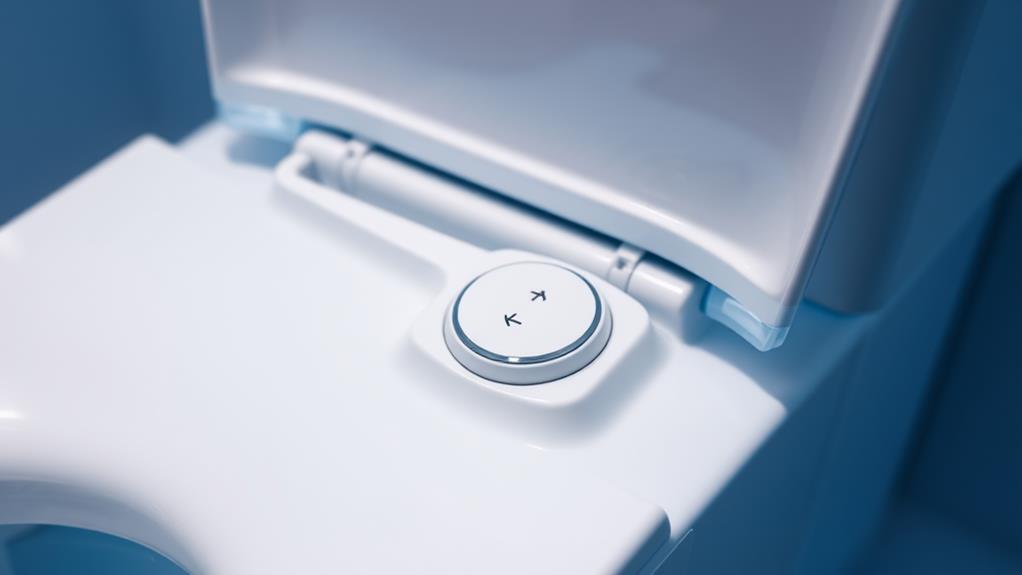
In light of water conservation efforts, high-efficiency toilets and urinals have become game-changers in residential plumbing. These fixtures use significantly less water per flush compared to their traditional counterparts, helping you save both water and money on your utility bills.
High-efficiency toilets typically use 1.28 gallons per flush or less, which is a substantial reduction from the standard 1.6 gallons. Some models even offer dual-flush options, allowing you to choose between a full or partial flush depending on the waste type. This feature can further reduce your water consumption.
Urinals have also seen improvements in efficiency. Waterless urinals use a special trap liquid to prevent odors without requiring any water for flushing. If you're not ready for a waterless option, low-flow urinals use only 0.5 gallons per flush or less.
When selecting high-efficiency toilets and urinals, look for WaterSense labels. These EPA-certified products meet strict performance and efficiency standards. By installing these fixtures, you'll contribute to water conservation efforts while enjoying long-term savings on your water bills. It's a small change that can make a big difference in your home's environmental impact.
Smart Water Management Systems
Several advancements in smart water management systems have revolutionized how homeowners monitor and control their water usage. These innovative technologies allow you to track your water consumption in real-time, detect leaks, and optimize your water usage patterns.
You'll find smart water meters that provide detailed insights into your water consumption habits. They'll send data to your smartphone, allowing you to identify high-usage areas and make informed decisions about conservation. Some systems even offer personalized recommendations to help you reduce your water footprint.
Leak detection devices are another crucial component of smart water management. They'll alert you to potential leaks, both big and small, helping you prevent water waste and costly damage to your home. You can install sensors on pipes, appliances, and fixtures to monitor for unusual water flow patterns.
Smart irrigation controllers are perfect for maintaining a beautiful lawn while conserving water. They'll adjust your watering schedule based on weather conditions, soil moisture, and plant types. You can control these systems remotely, ensuring your garden receives just the right amount of water.
Implementing Low-Flow Fixtures at Home
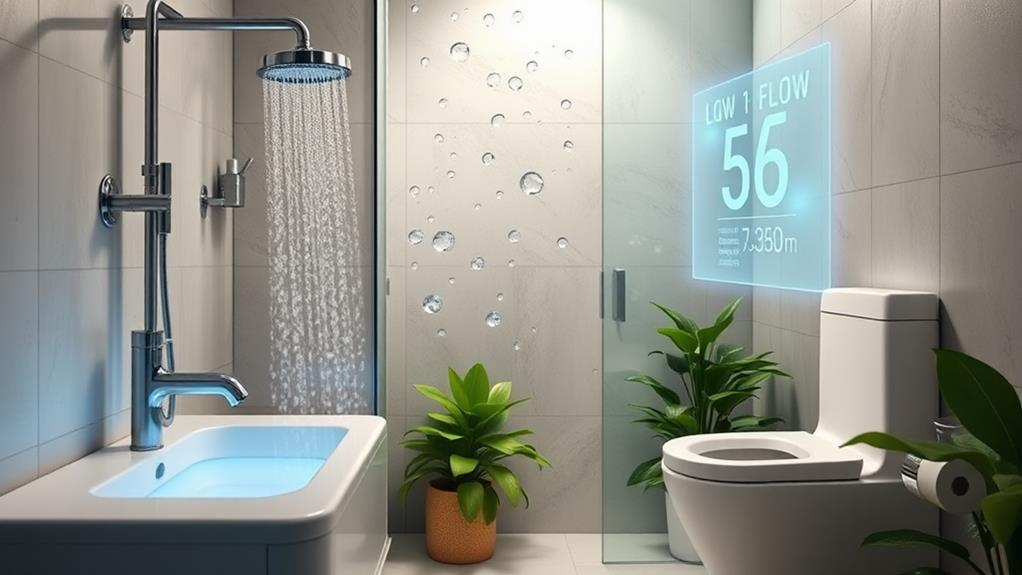
When it comes to implementing low-flow fixtures at home, you'll find numerous options to help reduce your water consumption. Start by replacing your showerheads with low-flow models that use 2.0 gallons per minute (GPM) or less. These fixtures can save up to 60% of water compared to standard showerheads.
For faucets, install aerators or replace them entirely with low-flow versions that use 1.5 GPM or less.
Don't forget your toilets, which account for a significant portion of household water use. Dual-flush toilets offer two flushing options: a low-volume flush for liquid waste and a full flush for solid waste. Alternatively, consider installing a toilet tank bank or adjusting the float to reduce water usage per flush.
When upgrading appliances, choose water-efficient models. Look for ENERGY STAR certified dishwashers and washing machines, which use less water and energy.
For outdoor water conservation, install drip irrigation systems and smart sprinkler controllers that adjust watering schedules based on weather conditions.
Remember to regularly check for leaks and maintain your fixtures to ensure optimal performance. By implementing these low-flow solutions, you'll significantly reduce your water consumption and utility bills while contributing to water conservation efforts.
Conclusion
As you turn off your new low-flow faucet, imagine the steady drip of water savings accumulating like coins in a piggy bank. You're not just conserving water; you're preserving our planet's most precious resource. With each flush, shower, and hand wash, you're sculpting a more sustainable future. Embrace these small changes in your home, and watch as your impact ripples outward, joining countless others in a wave of water conservation.