

Dual-flush toilets offer two options: a full flush (1.6 gallons) for solid waste and a reduced flush (0.8 gallons) for liquid waste. They work through a unique flush valve that regulates water flow based on your selection. This innovative design can reduce your household water consumption by up to 67% compared to single-flush models. A family of four could save approximately 20,000 gallons annually by switching to dual-flush. While installation is straightforward, proper maintenance and consistent use of the correct flush option are crucial for maximizing water savings. Despite higher upfront costs, long-term savings can offset the initial investment. Explore further to uncover the environmental impact and cost analysis of this water-saving technology.
Dual-Flush Technology Explained
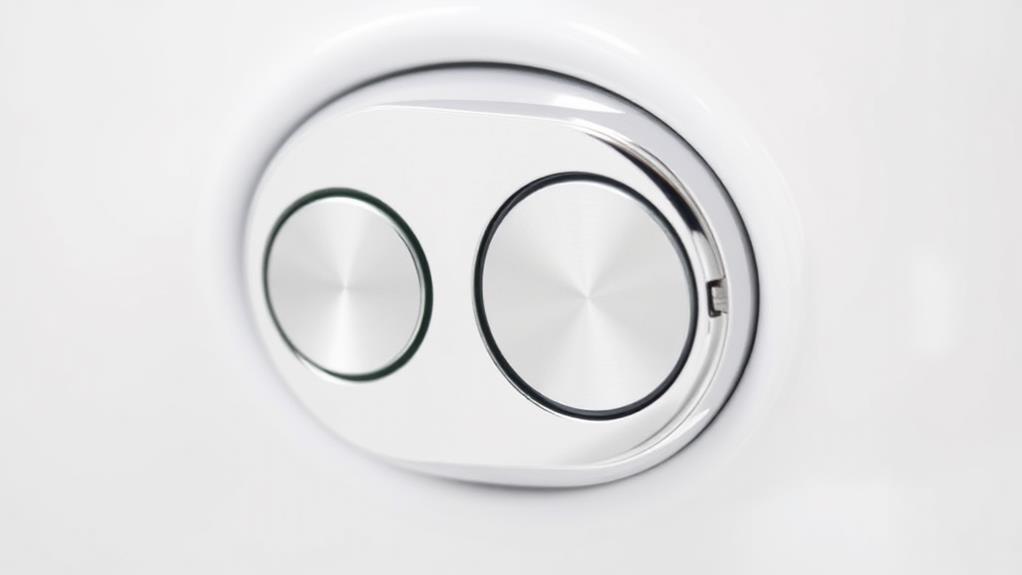
In recent years, dual-flush toilets have gained popularity as a water-saving alternative to traditional models. These innovative fixtures offer two distinct flushing options: a full flush for solid waste and a reduced flush for liquid waste. You'll typically find two buttons or a split flush lever on the toilet, allowing you to choose the appropriate flush volume.
The technology behind dual-flush toilets relies on a specially designed trapway and bowl. When you select the full flush, it uses about 1.6 gallons of water, creating a powerful siphon effect to remove solid waste effectively. The reduced flush, on the other hand, uses approximately 0.8 gallons, which is sufficient for clearing liquid waste. This dual-flush system enables you to conserve water without compromising on hygiene or performance.
Inside the tank, you'll find a unique flush valve that regulates water flow based on your selection. The valve's design ensures that the correct amount of water is released for each flush type. Additionally, dual-flush toilets often incorporate features like larger trapways and glazed bowls to enhance flushing efficiency and reduce the need for multiple flushes.
Water Conservation Benefits
The water-saving design of dual-flush toilets translates into significant conservation benefits. You'll find that these toilets can reduce your household water consumption by up to 67% compared to older, single-flush models. This substantial saving is achieved through the two-button system, allowing you to use less water for liquid waste and more for solid waste.
On average, you'll use about 0.8 gallons (3 liters) for the reduced flush and 1.6 gallons (6 liters) for the full flush. This is a stark contrast to traditional toilets that use 3.5 to 7 gallons (13 to 26 liters) per flush.
Over a year, a family of four can save approximately 20,000 gallons (75,700 liters) of water by switching to a dual-flush system.
The environmental impact extends beyond just water savings. By reducing water consumption, you're also lowering the energy required to treat and transport water to your home. This, in turn, decreases your carbon footprint. Additionally, less wastewater means reduced strain on sewage treatment facilities, benefiting your local infrastructure and the environment.
Installation and Maintenance
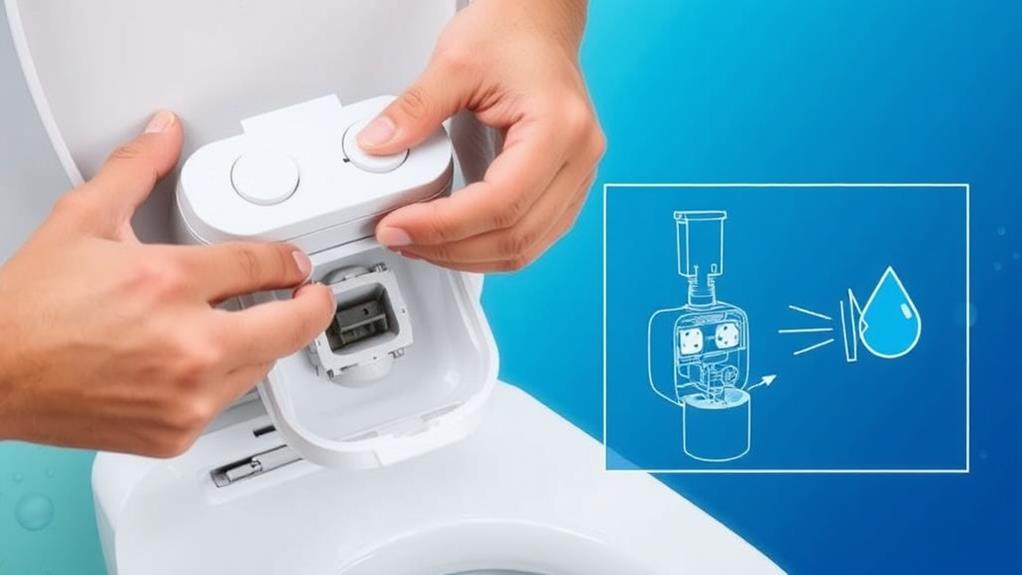
Installing dual-flush toilets is generally straightforward, often requiring no more effort than replacing a standard toilet. You'll need to remove the old toilet, ensure the flange is in good condition, and install a new wax ring. The dual-flush toilet is then positioned and secured to the floor. Connect the water supply line, and you're almost done.
The main difference lies in the flushing mechanism. You'll need to familiarize yourself with the dual-flush button or lever system. Some models may require adjustments to ensure proper flushing for both liquid and solid waste.
Maintenance of dual-flush toilets is similar to standard toilets. Regular cleaning is essential to prevent buildup and maintain hygiene. You should check the flushing mechanism periodically for proper function. If you notice inconsistent flushing or water continuously running, inspect the flush valve and fill valve for issues.
It's crucial to use the correct flush option consistently. Educate household members on proper use to maximize water savings. If you're unsure about installation or maintenance, don't hesitate to consult a professional plumber. They can ensure your dual-flush toilet is installed correctly and functioning optimally.
Cost Analysis
While installation and maintenance are important considerations, understanding the cost implications of dual-flush toilets is equally vital. When evaluating the cost of dual-flush toilets, you'll need to consider both the upfront expenses and long-term savings.
Initially, you'll find that dual-flush toilets are pricier than traditional models, with costs ranging from $200 to $600 or more. However, it's crucial to weigh this higher upfront cost against potential water savings.
On average, a dual-flush toilet can save 4,000 gallons of water annually for a family of four. This translates to lower water bills, with savings varying based on your local water rates.
To calculate your potential savings, multiply your water rate by the estimated gallons saved per year. For example, if your water rate is $0.01 per gallon, you could save $40 annually. Over the toilet's lifespan, typically 15-30 years, these savings can add up significantly. Factor in potential rebates or incentives offered by local water authorities for installing water-efficient fixtures. These can offset the initial cost and make dual-flush toilets a more attractive investment for your home.
Environmental Impact
Water conservation stands at the forefront of dual-flush toilets' environmental benefits. These fixtures can significantly reduce your household's water consumption, potentially saving thousands of gallons annually. By offering two flush options, you'll use only the necessary amount of water for each use, minimizing waste.
The reduced water usage translates to lower energy consumption at water treatment facilities. This means fewer chemicals are needed to treat wastewater, and less energy is required to pump water to and from your home. As a result, you're indirectly lowering your carbon footprint.
Dual-flush toilets also contribute to preserving natural water sources. By decreasing demand on rivers, lakes, and aquifers, you're helping maintain ecological balance and protect wildlife habitats. In areas prone to drought, these toilets can play a crucial role in water management strategies.
Moreover, the production of dual-flush toilets often involves more sustainable practices than traditional models. Manufacturers are increasingly using recycled materials and implementing eco-friendly production processes. By choosing a dual-flush toilet, you're supporting these environmentally conscious practices and promoting a more sustainable future for the plumbing industry.
Choosing the Right Model
Selecting the right dual-flush toilet model can often be overwhelming due to the variety of options available. To make the best choice, you'll need to consider several factors. First, measure your bathroom space to ensure the toilet will fit comfortably. Look for models with appropriate rough-in dimensions and bowl shapes that suit your needs.
Next, evaluate the flush performance. Check the Maximum Performance (MaP) score, which indicates how well the toilet clears waste. A higher score means better performance. Consider the flush volume as well; most dual-flush toilets use 0.8 to 1.6 gallons per flush for liquid waste and 1.28 to 1.6 gallons for solid waste.
Don't forget about design and comfort. Choose a style that complements your bathroom's aesthetics. Look for features like chair-height seating, elongated bowls, or soft-close lids for added comfort. Additionally, consider the toilet's durability and ease of maintenance. Opt for models with quality materials and reputable brands.
Conclusion
You've now got the lowdown on dual-flush toilets. They're a smart choice for saving water and money while reducing your environmental impact. Did you know that switching to a dual-flush toilet can save up to 67% of water compared to older models? That's thousands of gallons per year! As you consider upgrading, remember to weigh the initial costs against long-term savings. With the right model, you'll flush away waste and excess water use.