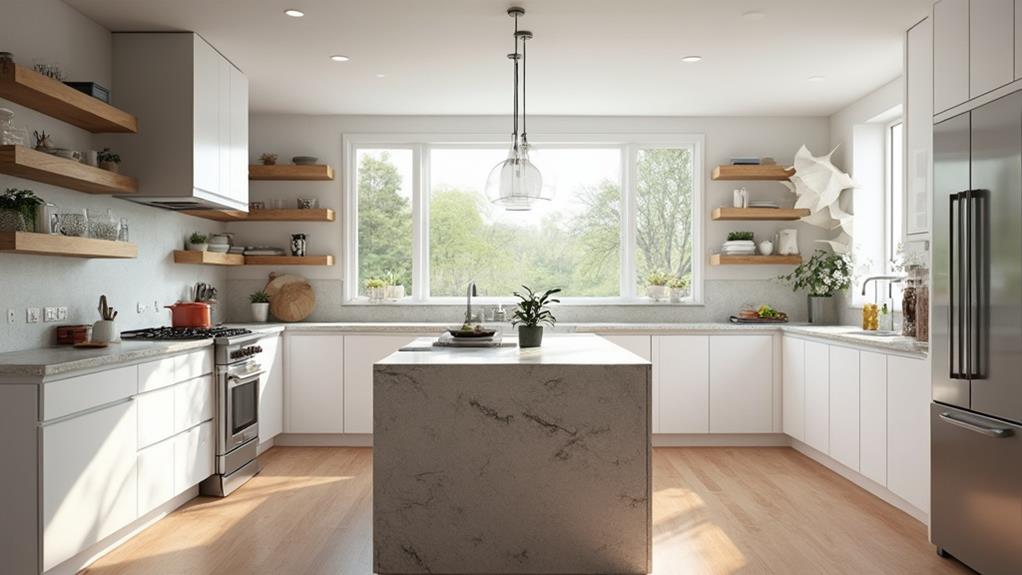


Balancing function and style in home renovations requires a strategic approach to achieve cost-effective results. Start by assessing your home's current state and prioritizing essential improvements like plumbing, electrical, and structural integrity. Incorporate stylish elements through affordable updates such as modern hardware, fresh paint, and contemporary lighting fixtures. Choose budget-friendly materials like laminate countertops and stock cabinetry to maximize value. Implement multifunctional design solutions, such as kitchen islands with built-in storage, to optimize space and functionality. Consider a hybrid approach of DIY for simple tasks and professional services for complex projects. By carefully planning and making informed decisions, you can create a stylish yet practical living space without breaking the bank.
Assessing Your Renovation Needs
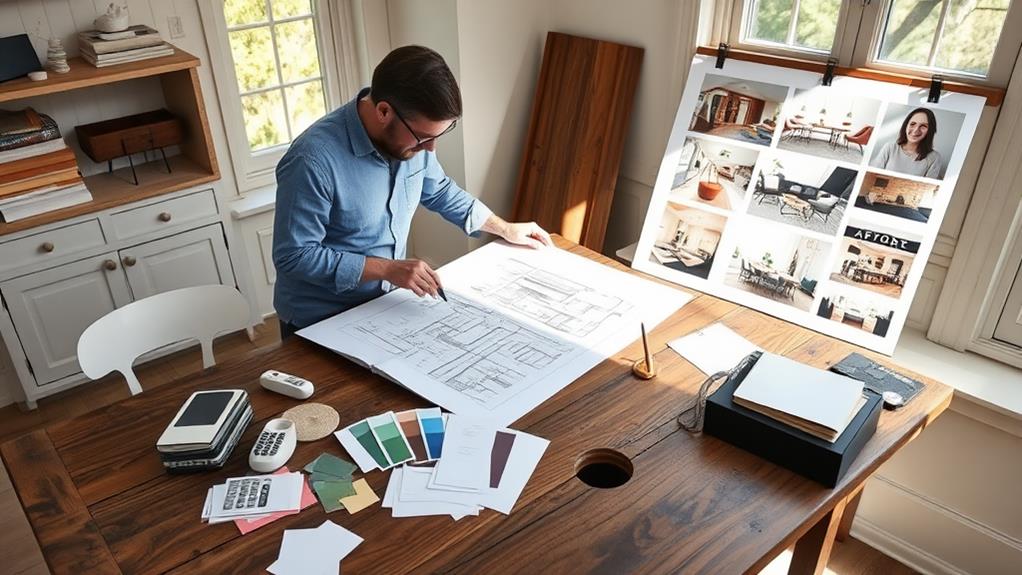
Before embarking on any renovation project, one must carefully assess their specific needs and priorities. This crucial step ensures that the renovation aligns with both functional requirements and aesthetic preferences while staying within budget constraints.
Begin by evaluating the current state of your home, identifying areas that require immediate attention or improvement. Consider factors such as structural integrity, energy efficiency, and overall functionality.
Next, prioritize your renovation goals based on necessity and long-term value. Determine which changes will have the most significant impact on your daily life and property value. Create a comprehensive list of desired improvements, ranging from essential repairs to cosmetic upgrades. Be realistic about what can be achieved within your budget and timeframe.
Consult with family members or other occupants to gather their input and ensure that the renovation addresses everyone's needs. Research current design trends and technological advancements that may enhance your living space. Finally, consider seeking professional advice from architects, contractors, or interior designers to gain expert insights and refine your renovation plan. This thorough assessment process will lay the foundation for a successful, cost-effective renovation project.
Prioritizing Functional Improvements
When it comes to cost-effective renovations, prioritizing functional improvements is essential. These upgrades focus on enhancing the usability, efficiency, and durability of your living space.
Start by addressing critical issues like plumbing, electrical systems, and structural integrity. Fixing leaky pipes, updating outdated wiring, and reinforcing weak foundations can prevent costly future repairs and improve overall safety.
Next, consider energy-efficient improvements. Upgrading insulation, installing double-pane windows, and replacing old appliances with energy-star rated models can significantly reduce utility bills over time.
Enhance the functionality of high-traffic areas like kitchens and bathrooms by optimizing storage solutions, improving lighting, and upgrading fixtures.
Don't overlook the importance of proper ventilation and climate control. Installing ceiling fans, updating HVAC systems, or adding a programmable thermostat can improve comfort and energy efficiency.
Finally, consider accessibility improvements, especially if you plan to age in place or accommodate family members with mobility issues. Widening doorways, installing grab bars, or creating a first-floor bedroom can greatly enhance long-term livability.
Incorporating Stylish Elements
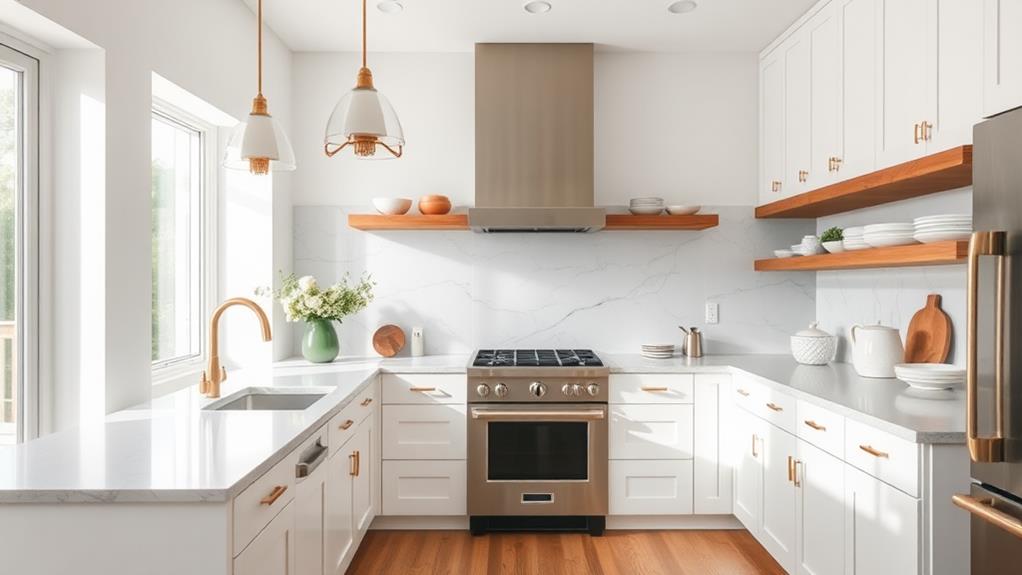
While focusing on functional improvements is crucial, incorporating stylish elements can significantly enhance the overall appeal and value of your home without breaking the bank. Consider updating hardware on cabinets, doors, and drawers with modern, sleek designs that complement your existing decor. Fresh paint in trendy colors can dramatically transform a space at minimal cost. Opt for accent walls to add visual interest without overwhelming the room.
Lighting fixtures are another cost-effective way to introduce style. Replace outdated fixtures with contemporary designs that serve as focal points while improving illumination. Consider installing dimmer switches to create ambiance and reduce energy consumption. For flooring, consider affordable yet stylish options like luxury vinyl planks or tiles that mimic the look of hardwood or stone at a fraction of the cost.
Textiles offer an opportunity to incorporate current design trends inexpensively. Update window treatments, throw pillows, and area rugs to infuse color and texture into your space. Finally, strategically placed mirrors can create the illusion of more space and light, enhancing the overall aesthetic of your renovated areas without significant expense.
Budget-Friendly Material Selection
Selecting budget-friendly materials is crucial for cost-effective renovations without compromising quality or aesthetics. When choosing materials, consider alternatives that mimic high-end finishes at a fraction of the cost. For instance, luxury vinyl flooring can replicate the look of hardwood or stone while offering durability and water resistance at a lower price point.
In the kitchen, opt for laminate countertops that resemble granite or quartz. Modern laminates are more durable and visually appealing than ever before. For backsplashes, ceramic tiles offer a wide range of styles and colors at an affordable price. In bathrooms, fiberglass shower surrounds can provide a sleek look without the expense of custom tiling.
When it comes to cabinetry, consider refacing existing cabinets or choosing stock options instead of custom-built units. For lighting fixtures, explore online marketplaces and discount stores for stylish options that won't break the bank. Finally, don't overlook the impact of paint – a fresh coat can transform a space at minimal cost. By carefully selecting budget-friendly materials, you can achieve a high-end look while maintaining fiscal responsibility throughout your renovation project.
Multifunctional Design Solutions
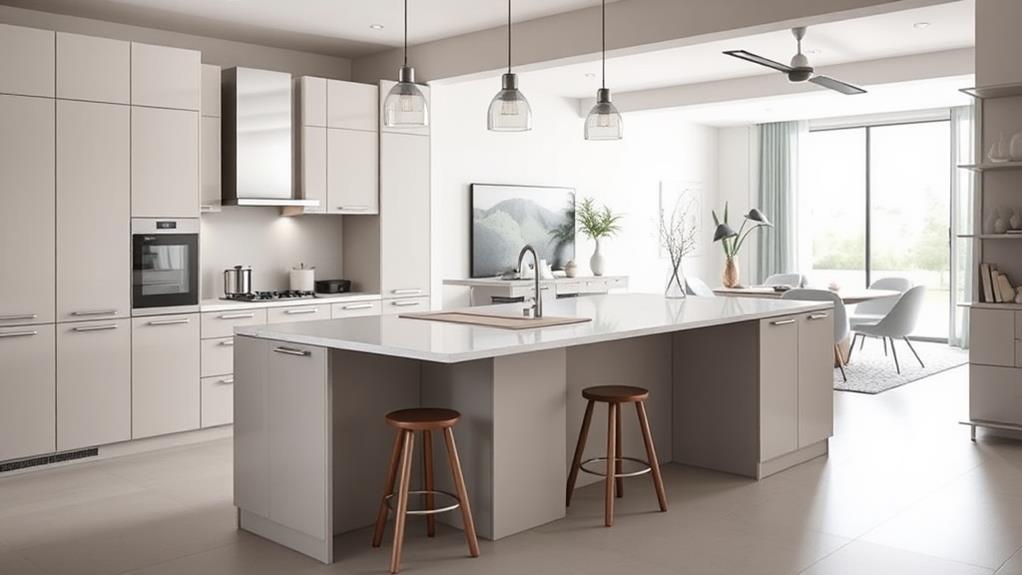
Beyond budget-friendly materials, multifunctional design solutions offer another avenue for cost-effective renovations. These designs maximize space utilization and reduce the need for additional furniture or separate rooms, ultimately saving both money and square footage. For instance, a kitchen island with built-in storage and seating eliminates the need for a separate dining area, while a murphy bed in a home office creates a dual-purpose guest room.
Implementing modular furniture systems allows for adaptable spaces that can serve multiple functions. Sliding partitions or folding walls provide flexibility to create temporary divisions or open up areas as needed. Built-in storage solutions, such as under-stair drawers or window seat compartments, optimize often-overlooked spaces and reduce clutter without sacrificing style.
Multifunctional design also extends to lighting and technology. Smart lighting systems can adjust ambiance for different activities, while multipurpose media centers integrate entertainment and work functions. By carefully planning these versatile elements, homeowners can create spaces that evolve with their changing needs, ensuring long-term value and minimizing future renovation costs. This approach not only enhances functionality but also contributes to a more streamlined and efficient living environment.
DIY Vs Professional Services
The decision between DIY renovations and hiring professional services is a crucial consideration for cost-effective home improvements. While DIY projects can potentially save money, they require time, skill, and effort. Homeowners should realistically assess their abilities and the complexity of the task before embarking on a DIY renovation.
Professional services offer expertise, efficiency, and often warranties for their work. They can handle complex projects, ensure code compliance, and may have access to better materials at lower costs. However, professional services come at a premium, which can significantly impact the overall budget.
For simple tasks like painting, basic landscaping, or minor repairs, DIY can be a cost-effective option. More complex projects involving electrical work, plumbing, or structural changes are better left to professionals to avoid costly mistakes or safety hazards.
A hybrid approach can be an effective compromise. Homeowners can tackle simpler aspects of a renovation while hiring professionals for specialized tasks. This strategy can balance cost savings with quality results and help ensure that the renovation meets both functional and aesthetic goals.
Energy-Efficient Upgrades
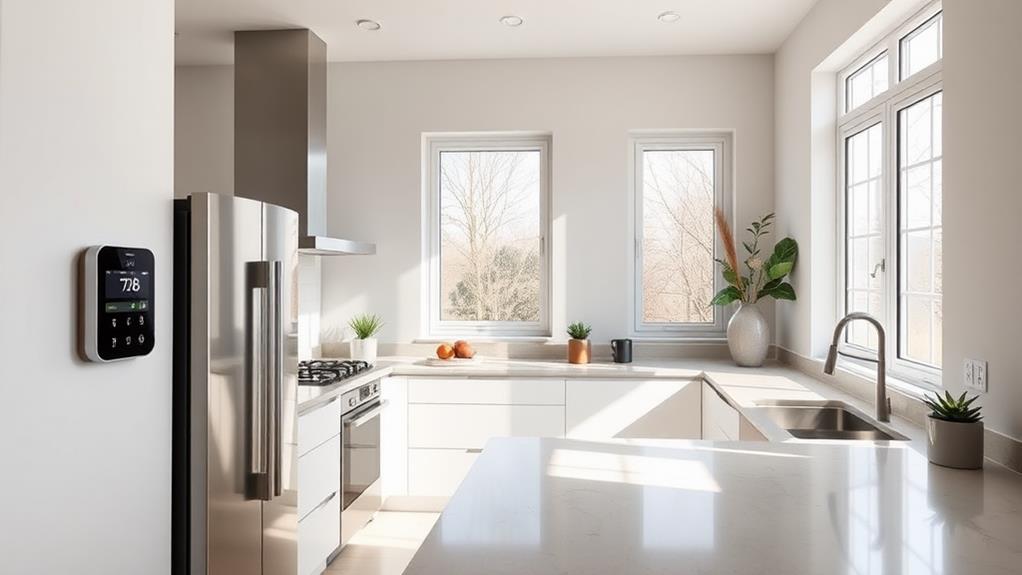
When considering cost-effective renovation choices, energy-efficient upgrades stand out as investments that can yield long-term savings. These improvements not only reduce utility bills but also enhance home comfort and increase property value. Key energy-efficient upgrades include installing programmable thermostats, upgrading to LED lighting, and improving insulation in walls, attics, and crawl spaces.
Replacing old appliances with ENERGY STAR certified models can significantly reduce electricity consumption. Focus on high-impact areas like refrigerators, washing machines, and HVAC systems. Sealing air leaks around windows and doors is a cost-effective measure that prevents heat loss in winter and cool air escape in summer. Consider installing low-flow faucets and showerheads to reduce water consumption and associated energy costs for water heating.
For more substantial investments, solar panels and energy-efficient windows can provide significant long-term savings. While these upgrades may have higher upfront costs, they often qualify for tax incentives or rebates, making them more affordable. When planning energy-efficient renovations, prioritize projects based on potential savings and your budget, ensuring a balance between immediate costs and future benefits.
Maximizing Return on Investment
How can homeowners ensure their renovation choices yield the highest return on investment? Focus on high-impact areas that potential buyers prioritize, such as kitchens and bathrooms. Modernizing these spaces with updated fixtures, appliances, and finishes can significantly boost property value. However, avoid over-customization or luxury upgrades that may not appeal to a broad market.
Consider curb appeal improvements, as first impressions matter. Low-cost enhancements like fresh paint, landscaping, and a new front door can dramatically increase perceived value. Energy-efficient upgrades, such as improved insulation or modern HVAC systems, offer dual benefits of immediate cost savings and long-term value appreciation.
Prioritize necessary repairs and maintenance over purely aesthetic changes. Addressing structural issues, outdated electrical systems, or plumbing problems is crucial for maintaining and increasing home value. When selecting materials and finishes, opt for mid-range options that balance quality and cost-effectiveness. Research local market trends to ensure renovations align with neighborhood standards and buyer expectations. Finally, obtain multiple quotes from reputable contractors to maximize value and avoid overpaying for renovations.
Frequently Asked Questions
How Long Does a Typical Home Renovation Project Take to Complete?
The duration of a typical home renovation project varies widely depending on its scope. Small projects may take a few days, while extensive renovations can span several months. On average, most home renovations take 4-8 weeks to complete.
What Permits Are Required for Different Types of Home Renovations?
Permits required for home renovations vary by location and project scope. Common permits include those for structural changes, electrical work, plumbing, HVAC systems, and additions. Check with your local building department for specific requirements in your area.
How Can I Minimize Dust and Disruption During a Renovation?
To minimize dust and disruption during a renovation, use plastic barriers, maintain proper ventilation, employ air purifiers, schedule noisy work during agreed-upon hours, and clean regularly. Consider temporary relocation for extensive projects to reduce stress and inconvenience.
Are There Financing Options Available Specifically for Home Renovation Projects?
Yes, there are financing options specifically for home renovation projects. These include home equity loans, home equity lines of credit (HELOCs), personal loans, government-backed renovation loans, and cash-out refinancing. Each option has unique terms and requirements.
How Do I Handle Unexpected Issues or Complications During a Renovation?
To handle unexpected issues during renovation, maintain open communication with contractors, allocate contingency funds, prioritize essential repairs, and be flexible with timelines. Consult experts when necessary and document all changes for future reference and potential insurance claims.
Conclusion
Balancing function and style in cost-effective renovations requires careful planning and prioritization. By focusing on essential improvements, incorporating multifunctional design elements, and selecting budget-friendly materials, homeowners can achieve both practical and aesthetic goals. Energy-efficient upgrades offer long-term savings, while strategic DIY projects can reduce costs. Interestingly, a National Association of Realtors study found that kitchen renovations yield an average 52% return on investment. Ultimately, well-executed renovations enhance living spaces and potentially increase property value.