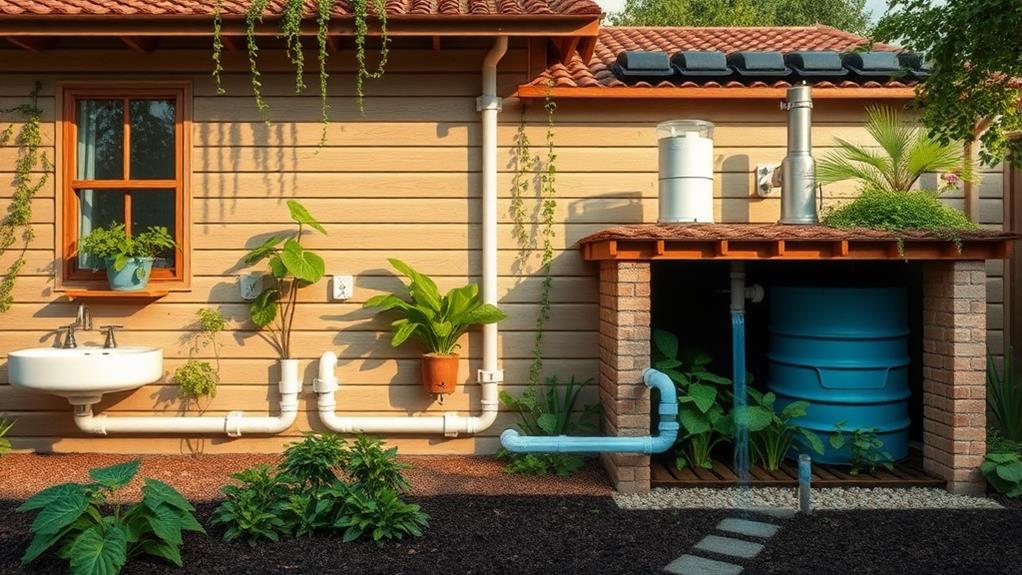


Greywater systems allow you to reuse gently used water from sinks, showers, and washing machines for non-potable purposes like irrigation. By implementing a greywater system, you can reduce your household water consumption by up to 30%, lowering utility bills and easing strain on local water supplies. These eco-friendly setups range from simple manual methods to complex filtration systems, offering options for various budgets and needs. You'll need to consider local regulations, installation requirements, and maintenance when choosing a system. With proper planning, a greywater system can significantly boost your home's sustainability and create a positive environmental ripple effect in your community. Explore further to uncover the full potential of this water-saving solution.
What Is a Greywater System?
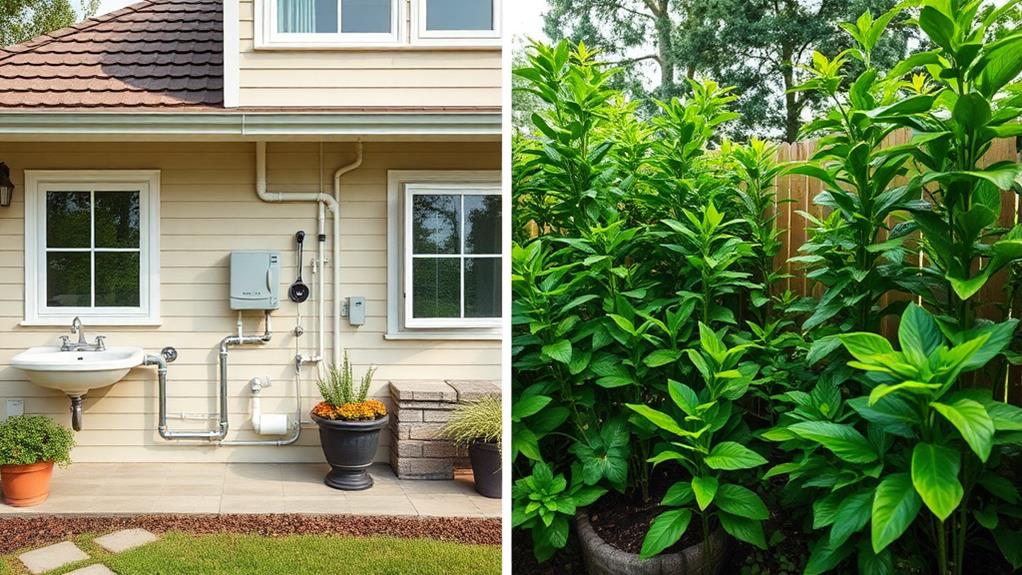
Nearly every household produces greywater, which is gently used water from sinks, showers, and washing machines. A greywater system is designed to capture and reuse this water for non-potable purposes, such as irrigation or toilet flushing. It's an eco-friendly solution that can significantly reduce your water consumption and lower your utility bills.
You'll find that greywater systems come in various forms, from simple diversion methods to complex filtration setups. The most basic system might involve redirecting shower water to your garden, while more advanced ones can include storage tanks, pumps, and treatment processes. These systems separate greywater from blackwater, which contains human waste and requires more intensive treatment.
Benefits of Greywater Recycling
Greywater recycling consistently offers a multitude of benefits for homeowners and the environment. By reusing water from sinks, showers, and washing machines, you'll significantly reduce your household's water consumption and lower your water bills. This practice can cut your potable water use by up to 30%, depending on your system's efficiency and usage patterns.
You'll also decrease the strain on your local water supply and sewage treatment facilities. This is particularly crucial in drought-prone areas or regions with limited water resources. By recycling greywater, you're actively contributing to water conservation efforts in your community.
Greywater can nourish your garden and landscape, reducing the need for additional irrigation. The nutrients found in greywater, such as nitrogen and phosphorus, act as natural fertilizers for your plants. This can lead to healthier vegetation and reduced reliance on chemical fertilizers.
Furthermore, greywater recycling promotes environmental awareness and sustainability within your household. It encourages water-conscious behavior and can inspire others in your community to adopt similar practices, creating a ripple effect of positive environmental impact.
Types of Greywater Systems
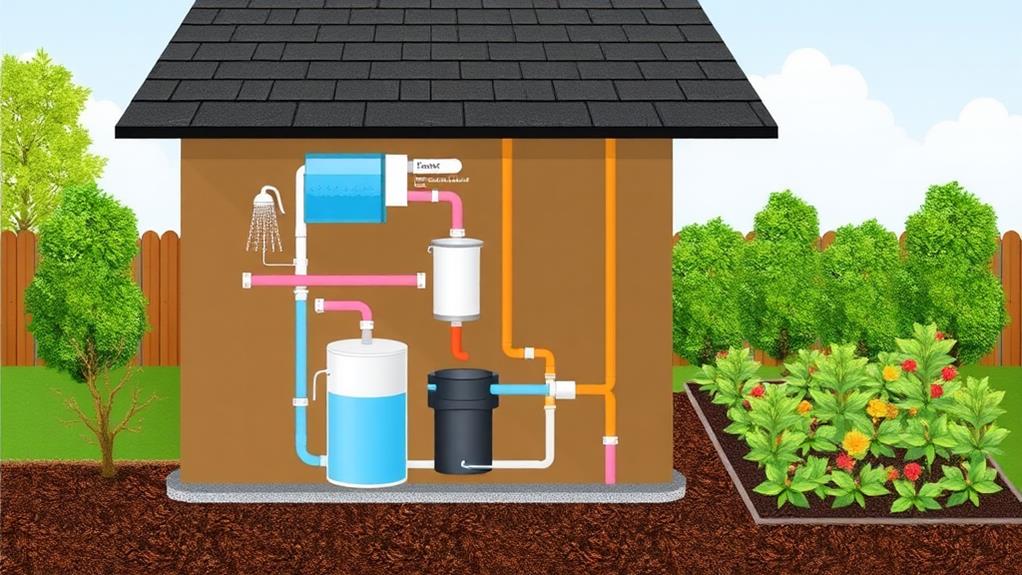
Several distinct types of greywater systems exist, each catering to different needs and scales of implementation. The simplest is the manual bucketing system, where you collect water from sinks or showers and manually transport it to water plants or flush toilets. It's low-cost but labor-intensive.
For a more automated approach, you might consider a laundry-to-landscape system. This diverts water from your washing machine directly to your garden through a network of pipes and valves. It's relatively easy to install and doesn't require significant plumbing changes.
Branched drain systems are more complex, using gravity to distribute greywater from multiple sources to various parts of your landscape. They're effective for larger properties but require careful planning and installation.
For comprehensive greywater management, you could opt for a treatment and storage system. This involves filtering and storing greywater for later use, often in toilets or for irrigation. It's the most sophisticated option, typically including pumps, filters, and storage tanks.
Lastly, there are packaged greywater systems, which are pre-engineered units that handle collection, treatment, and distribution. They're ideal if you want a turnkey solution with minimal installation hassle.
Installing a Greywater System
In light of the growing interest in water conservation, installing a greywater system has become an attractive option for many homeowners. To start, you'll need to assess your property's layout and water usage patterns. Identify suitable sources of greywater, such as washing machines, showers, and sinks.
Next, plan the routing of pipes to direct greywater to your garden or other designated areas.
Before installation, check local regulations and obtain necessary permits. You'll need to choose between a simple or complex system based on your needs and budget. Simple systems may involve redirecting laundry water directly to plants, while complex ones include filtration and storage components.
For DIY installations, ensure you have the right tools and materials. You'll need to install a diverter valve, connect pipes, and set up a distribution system. If you're not confident in your plumbing skills, it's best to hire a professional.
Once installed, maintain your system regularly. Clean filters, check for leaks, and monitor plant health. With proper installation and maintenance, your greywater system will help you conserve water and reduce your environmental impact for years to come.
Maintenance and Upkeep
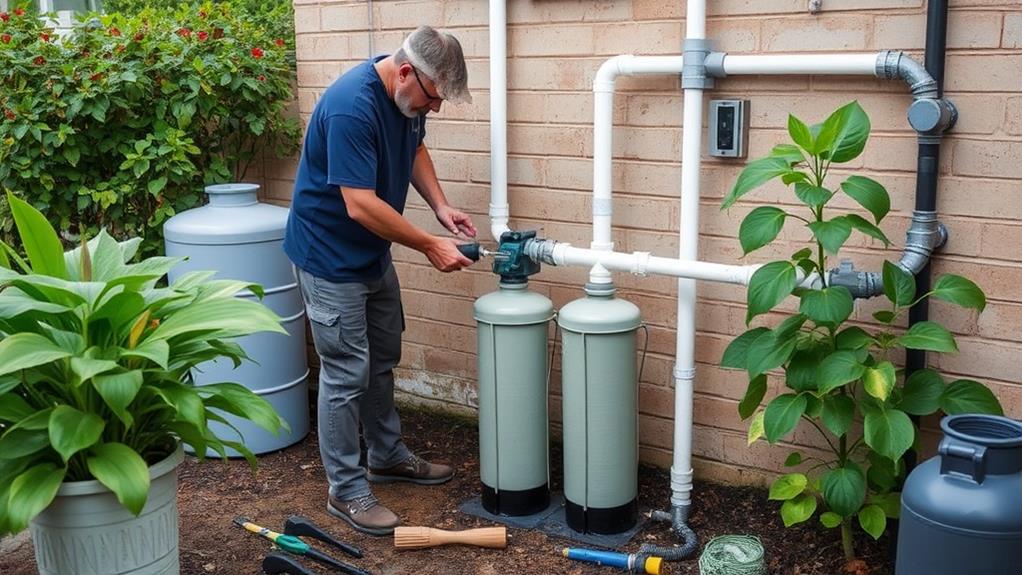
After installing your greywater system, regular maintenance is key to ensuring its longevity and efficiency. You'll need to perform routine checks and cleanings to prevent clogs and maintain optimal performance. Start by inspecting your filters and screens monthly, cleaning or replacing them as needed. Check for any leaks or signs of wear in pipes and connections.
For systems with storage tanks, you should clean them annually to remove any sediment buildup. If you're using a pump, lubricate it according to the manufacturer's instructions. Don't forget to monitor your soil moisture levels and adjust your system's output accordingly to prevent overwatering.
Keep an eye on plant health in areas irrigated by your greywater system. If you notice any signs of plant stress or soil degradation, you may need to adjust your system or switch to fresh water temporarily. Regularly test your soil pH and nutrient levels to ensure they remain balanced.
Lastly, educate all household members about proper greywater system use. Avoid using harsh chemicals or products that could harm your system or the environment. By following these maintenance steps, you'll maximize your greywater system's effectiveness and lifespan.
Legal Considerations
Before installing a greywater system, you'll need to navigate the legal landscape surrounding these eco-friendly setups. Regulations vary widely by location, so check your local and state laws carefully. Many areas require permits for greywater systems, especially those involving outdoor irrigation. You'll likely need to submit detailed plans and undergo inspections to ensure compliance.
Some jurisdictions restrict the types of greywater sources you can use. For example, water from kitchen sinks and dishwashers may be prohibited due to high organic content. Pay attention to rules about storage duration, as many places limit how long you can keep greywater before use. You'll also need to follow specific guidelines for system design, such as using purple pipes to distinguish greywater from potable water lines.
Be aware of setback requirements, which dictate how far your system must be from property lines, wells, and water bodies. Health and safety regulations often mandate subsurface irrigation to prevent human contact with greywater. If you're in a homeowners association, check their rules as well. Some HOAs restrict or prohibit greywater systems. Staying informed and compliant will help you avoid legal issues and enjoy the benefits of your greywater system.
Cost Analysis
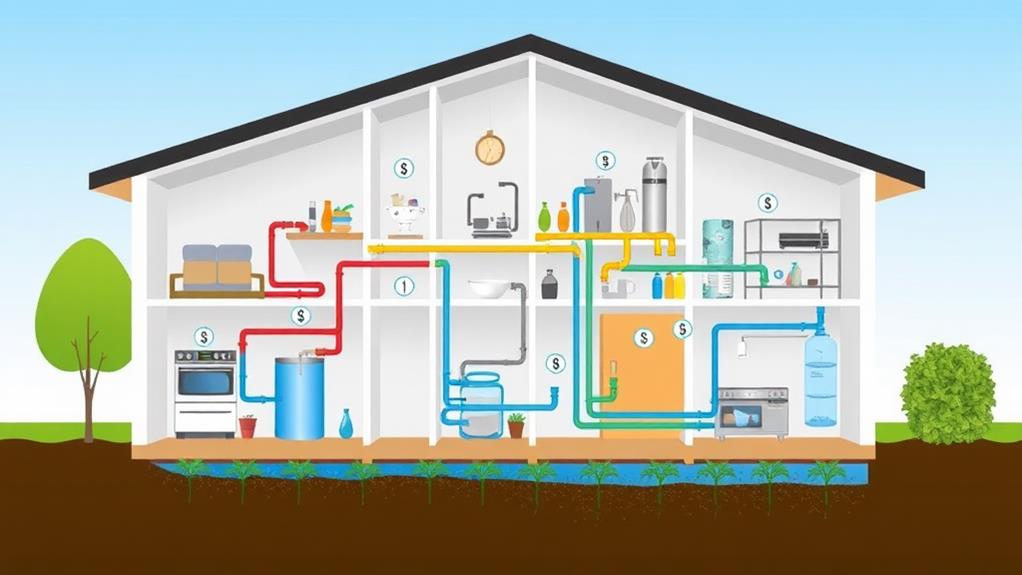
How much will a greywater system cost you? The price of a greywater system can vary significantly based on its complexity and scale. A simple DIY system for redirecting laundry water to your garden might cost as little as $100-$500 in materials.
More comprehensive systems that collect and filter water from multiple sources can range from $1,000 to $5,000 for a typical home installation.
Professional installation will add to these costs, potentially doubling the overall expense. However, it's important to consider long-term savings. You'll reduce your water bill and potentially your sewage costs. In areas with high water prices or drought-prone regions, you could recoup your investment within a few years.
Don't forget to factor in ongoing maintenance costs. Simple systems require minimal upkeep, but more complex setups with pumps and filters will need regular attention. You might spend $50-$200 annually on maintenance, depending on the system's sophistication. When calculating costs, also consider potential rebates or tax incentives offered by your local government for water conservation efforts.
Environmental Impact
While the financial aspects of greywater systems are important, their environmental impact is equally significant. By reusing household water, you're reducing your overall water consumption and easing the strain on local water supplies. This conservation effort helps protect natural water sources and the ecosystems that depend on them.
Greywater systems also decrease the amount of wastewater sent to treatment plants, lowering the energy and chemicals needed for processing. This reduction in treatment plant load can lead to improved water quality in rivers and oceans where treated water is discharged.
You'll also be contributing to groundwater recharge when you use greywater for landscape irrigation. This practice helps maintain soil moisture and supports plant growth without tapping into potable water supplies.
However, it's crucial to use appropriate cleaning products, as harsh chemicals in greywater can harm plants and soil microorganisms. By choosing biodegradable, phosphate-free soaps and detergents, you'll ensure your greywater system remains environmentally friendly.
Common Household Applications
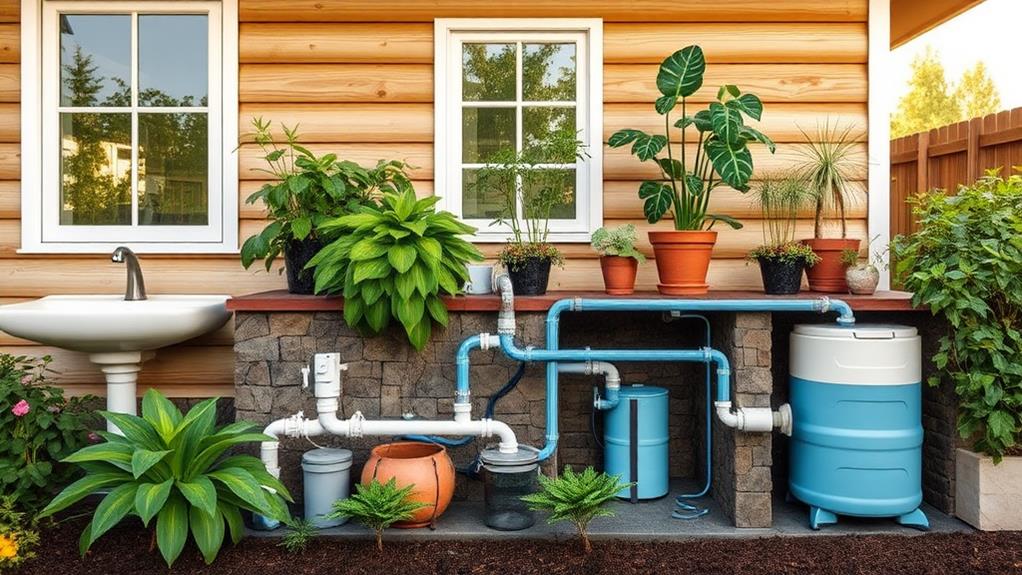
Considering the versatility of greywater systems, you'll find numerous applications throughout your home. The most common use is for landscape irrigation, where you can direct greywater from your washing machine, shower, or bathroom sink to water your garden or lawn. This not only conserves potable water but also provides nutrients to your plants.
You can also use greywater for toilet flushing, significantly reducing your household's water consumption. By connecting your bathroom sink or shower to your toilet's cistern, you'll save gallons of fresh water daily. In some cases, you can even use greywater for indoor plant watering or cleaning outdoor areas like patios and driveways.
For more advanced applications, you might consider using greywater in your home's cooling system. Some specially designed air conditioners can utilize greywater for evaporative cooling, further maximizing water efficiency. Additionally, you can incorporate greywater into ornamental water features, such as fountains or ponds, creating a sustainable and aesthetically pleasing element in your landscape. By implementing these applications, you'll significantly reduce your water footprint and contribute to a more sustainable household.
Future of Greywater Technology
The future of greywater technology is shaping up to be incredibly promising. You'll likely see advancements in smart systems that can automatically detect water quality and adjust treatment processes accordingly. These systems will integrate with your home's IoT devices, allowing you to monitor and control water usage from your smartphone.
Expect to see more compact and efficient treatment units that can fit easily into existing homes. These will use advanced filtration methods, including nanotechnology and bioremediation, to purify greywater more effectively. You'll also find systems that can recover heat from greywater, further enhancing energy efficiency.
In urban areas, you'll witness the rise of community-scale greywater systems that serve entire neighborhoods. These will incorporate advanced treatment technologies and may even use artificial intelligence to optimize water distribution.
As climate change intensifies water scarcity, you'll see greywater systems becoming standard in new construction. Governments will likely introduce more incentives and regulations to promote their adoption. You can anticipate increased research into using greywater for agricultural purposes, potentially revolutionizing water use in farming communities.
Conclusion
You've now learned how greywater systems can revolutionize your home's water usage. By implementing these systems, you'll not only save money but also contribute to environmental conservation. Did you know that a typical household can reuse up to 80% of its wastewater through greywater recycling? That's a significant amount of water you're giving a second life. As water scarcity becomes a growing concern, your decision to adopt greywater technology could make a real difference.