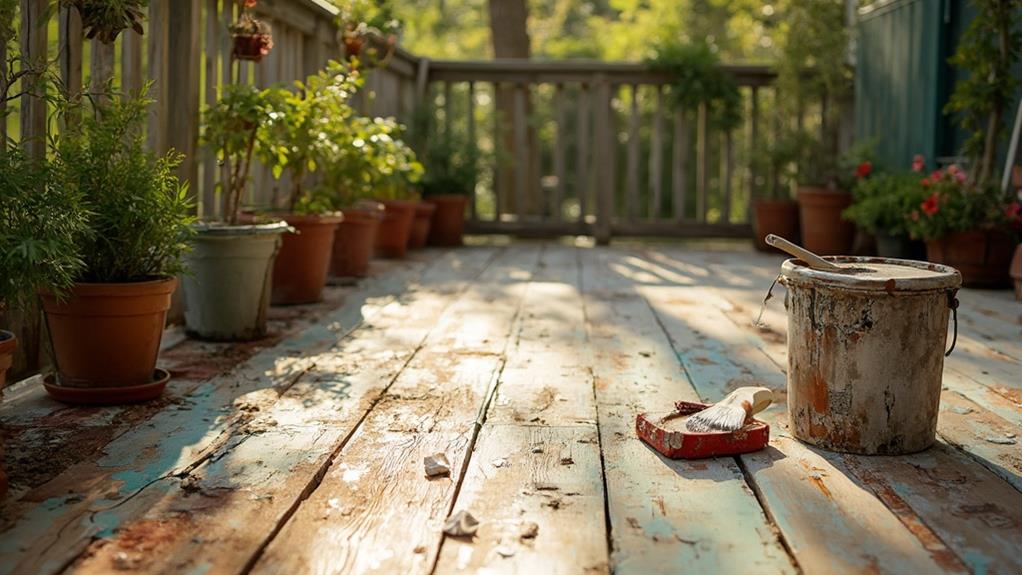


Revitalizing your outdoor living space doesn't have to be expensive. Start by pressure washing surfaces to remove years of grime. Staining wood elements can refresh their appearance and protect against weathering. Repair or replace damaged boards to ensure safety and aesthetics. Add ambiance with budget-friendly lighting options like string lights or solar lanterns. Upgrade furniture by refurbishing existing pieces or exploring secondhand options. Incorporate potted plants for greenery and visual interest. Transform the space with an outdoor rug, and create privacy using affordable screen solutions. Don't forget to weatherproof your deck to extend its lifespan. These simple techniques can breathe new life into your outdoor oasis.
Pressure Washing Magic
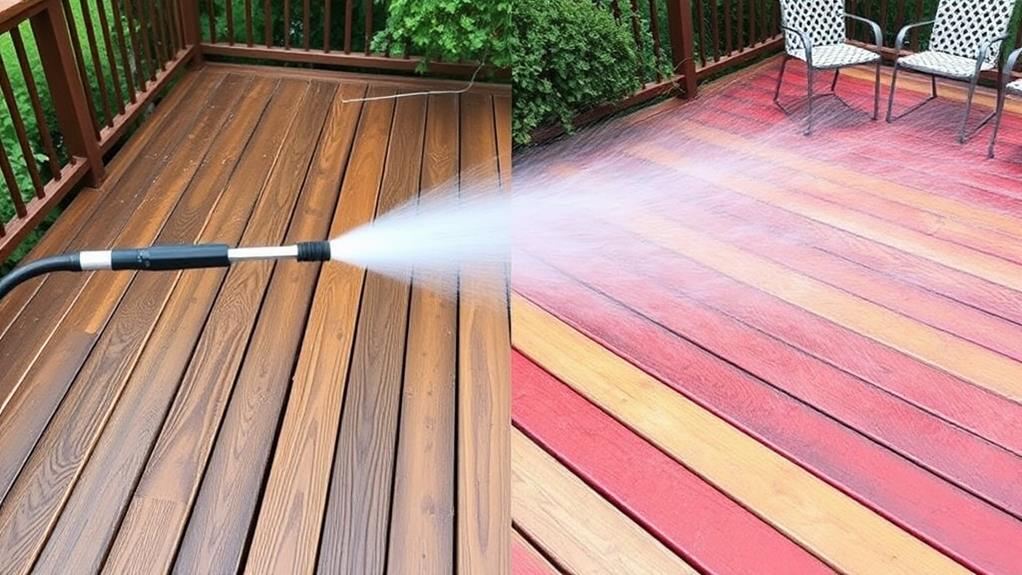
A pressure washer can be a homeowner's secret weapon in revitalizing outdoor spaces. This versatile tool effectively removes years of dirt, grime, and mildew from decks, patios, and other outdoor surfaces, instantly transforming their appearance.
Pressure washing not only improves aesthetics but also helps prevent long-term damage caused by accumulated debris and organic growth.
To begin, select the appropriate pressure setting for your surface material. Wood decks typically require lower pressure to avoid damaging the fibers, while concrete can withstand higher pressure. Always test a small, inconspicuous area first. Work methodically, maintaining a consistent distance and angle from the surface. For wooden decks, follow the grain to prevent splintering.
Consider renting a pressure washer for occasional use or investing in one for regular maintenance. Many models are now affordable and user-friendly. Always wear protective gear, including safety glasses and closed-toe shoes. After pressure washing, allow the surface to dry completely before applying any sealants or finishes. This process not only rejuvenates your outdoor space but also extends its lifespan, making it a cost-effective solution for homeowners looking to refresh their exterior areas.
Staining for Fresh Appeal
Transformation awaits outdoor spaces through the simple yet effective process of staining. This affordable technique can breathe new life into weathered decks, fences, and outdoor furniture, enhancing their appearance and protecting them from the elements.
When selecting a stain, consider the type of wood and desired finish. Transparent stains allow the wood's natural grain to show through, while semi-transparent options offer more color while still revealing some wood texture. Solid stains provide maximum coverage and protection, ideal for heavily weathered surfaces.
Before staining, ensure the surface is clean and dry. Apply the stain evenly using a brush, roller, or sprayer, following the wood grain. For best results, apply thin coats and allow proper drying time between applications.
Staining not only improves aesthetics but also extends the lifespan of outdoor wood structures by repelling moisture and UV rays. Regular maintenance, including periodic reapplication every few years, will keep outdoor spaces looking fresh and inviting.
With a range of colors available, staining offers the opportunity to coordinate outdoor elements with your home's exterior, creating a cohesive and appealing outdoor living area.
Repair and Replace Damaged Boards
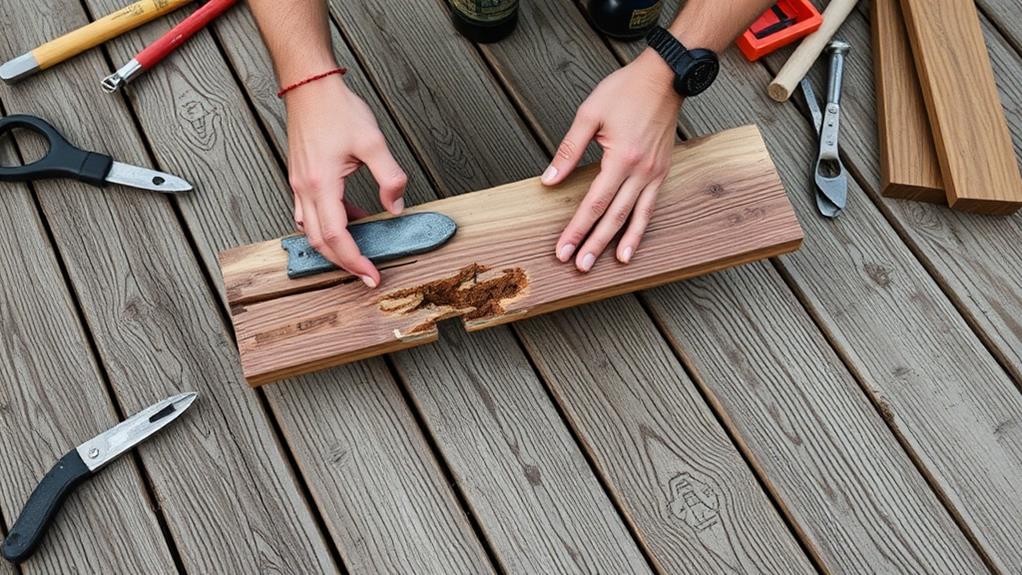
Vigilance in maintaining outdoor structures often reveals the need to repair or replace damaged boards. Regularly inspect your deck for signs of wear, rot, or insect damage. Look for soft spots, cracks, or boards that feel spongy underfoot. These issues can compromise the deck's structural integrity and safety if left unaddressed.
For minor damage, consider spot repairs. Remove loose or rotten sections of wood with a chisel and fill the gaps with wood filler or epoxy. Sand the area smooth once dry.
For more extensive damage, replacing entire boards may be necessary. Carefully remove the affected planks, ensuring you don't damage surrounding boards. Measure and cut new boards to fit, using pressure-treated lumber or composite materials for increased durability. Secure the new boards with deck screws, countersinking them slightly for a smooth finish.
When replacing multiple boards, consider the overall appearance of your deck. It may be worth replacing adjacent boards to maintain a consistent look. Always follow proper safety precautions and consult local building codes when undertaking repairs to ensure your deck remains safe and compliant.
Creative Deck Lighting Ideas
Lighting can dramatically transform your deck, turning it into an inviting outdoor retreat for evening gatherings. String lights are an affordable and versatile option, easily draped along railings or overhead for a warm ambiance. Solar-powered lanterns or pathway lights can illuminate stairs and edges, enhancing safety and aesthetics.
For a more permanent solution, consider installing LED deck post caps or recessed lighting in the deck boards. These options provide subtle illumination without cluttering the space. Uplighting trees or architectural features can create depth and visual interest. Battery-operated candles or flameless LED votives offer a flickering glow without fire hazards.
To add functionality, incorporate task lighting near grilling or dining areas. Adjustable spotlights or pendant lights can be strategically placed to illuminate these zones. For a touch of whimsy, try color-changing LED bulbs or smart lighting systems that can be controlled via smartphone apps. Lastly, don't forget about existing structures; attaching downlights to the underside of an umbrella or pergola can provide soft, overhead illumination. With these creative lighting ideas, your deck will become a captivating nighttime oasis.
Budget-Friendly Furniture Upgrades
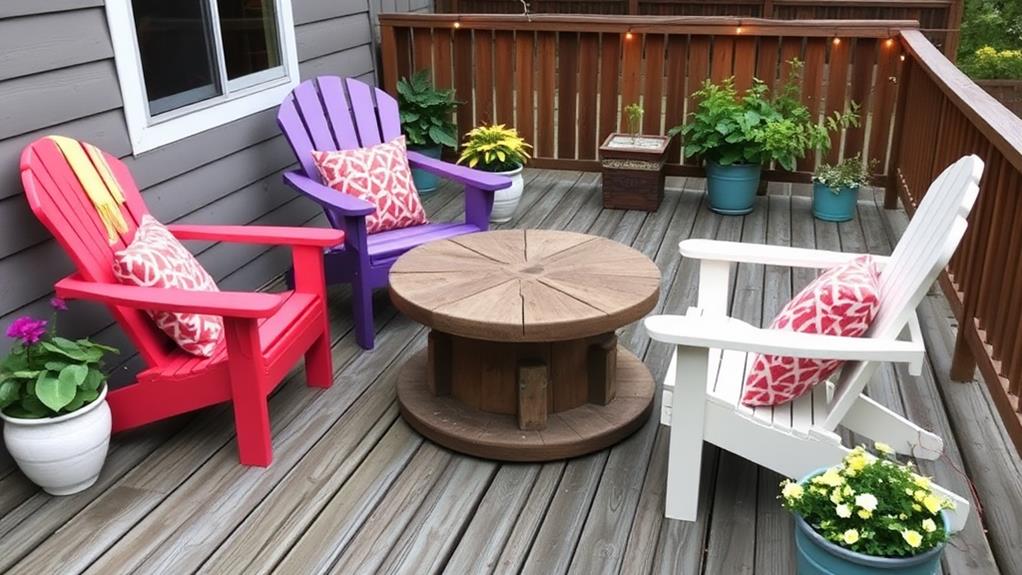
Once your deck is beautifully illuminated, the next step in reviving your outdoor living space is to focus on furniture upgrades that won't break the bank. Start by refurbishing existing pieces through sanding, repainting, or restaining to give them a fresh look. Consider purchasing slip covers for worn cushions or reupholstering them with weather-resistant fabrics.
Explore secondhand options at thrift stores, yard sales, or online marketplaces for affordable furniture finds. Look for pieces with good bones that can be easily restored or repurposed. Wooden pallets can be transformed into rustic seating or tables with minimal effort and cost.
Incorporate multifunctional furniture to maximize space and value. Ottomans with built-in storage or benches that double as planters are practical choices. Foldable or stackable chairs offer flexibility for entertaining while saving space when not in use.
Add personality with DIY accents like hand-painted side tables or custom outdoor pillows. Create a cohesive look by selecting a color scheme and carrying it through your furniture and accessories. Finally, protect your investment by using furniture covers or storing items indoors during harsh weather to extend their lifespan.
DIY Decorative Accents
To elevate your outdoor space without spending a fortune, consider creating your own decorative accents. DIY projects allow you to personalize your outdoor area while keeping costs low. Start by repurposing items you already have, such as turning old wooden crates into planters or using mason jars as candle holders.
Create custom outdoor pillows by painting weatherproof fabric with acrylic paint and stencils. Craft a unique wind chime using found objects like seashells, driftwood, or vintage keys. Transform plain terracotta pots with mosaic tile designs or colorful paint patterns. Build a rustic centerpiece using reclaimed wood and succulents.
For lighting, string fairy lights through tree branches or create DIY lanterns from tin cans. Craft outdoor art by painting designs on wooden pallets or creating a vertical garden using a wooden frame and small potted plants. Make a cozy fire pit area by arranging large rocks in a circle and filling the center with pebbles. Finally, add personality with handmade signs featuring favorite quotes or directional markers to different areas of your outdoor space.
Potted Plants and Greenery
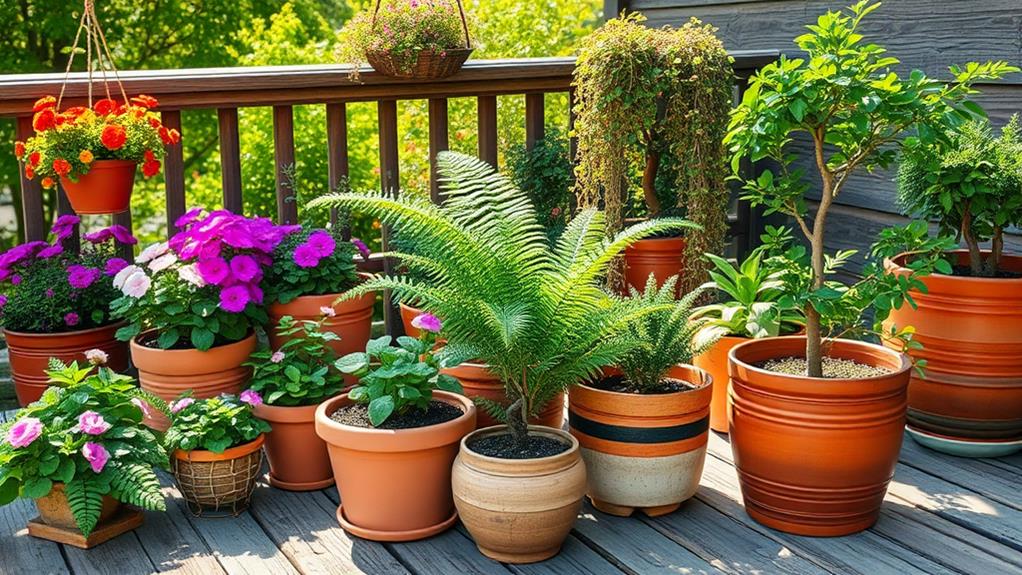
Incorporating potted plants and greenery is an excellent way to breathe new life into your outdoor living space without breaking the bank. Start by selecting a variety of plants that thrive in your climate and suit your maintenance preferences. Consider mixing different sizes, textures, and colors to create visual interest. Opt for low-cost containers like terracotta pots, repurposed wooden crates, or even recycled plastic buckets painted in vibrant hues.
Strategically place your potted plants to define different areas of your outdoor space or to create natural privacy screens. Hanging baskets can add vertical interest and maximize limited floor space. For a budget-friendly option, propagate cuttings from existing plants or trade with neighbors and friends. Incorporate herbs and small vegetables for both aesthetic appeal and practical use in cooking.
Don't forget to consider maintenance requirements when selecting plants. Drought-resistant varieties and succulents are excellent choices for low-upkeep gardens. Group plants with similar watering needs together to simplify care. Finally, use mulch in your pots to retain moisture and reduce watering frequency, saving both time and money in the long run.
Outdoor Rug Transformation
An outdoor rug can dramatically transform your patio or deck, adding comfort, color, and style to your outdoor living space. These versatile accessories are designed to withstand the elements while providing a cozy foundation for your outdoor furniture. When selecting an outdoor rug, consider materials like polypropylene or recycled plastic, which are durable, easy to clean, and resistant to fading.
Opt for patterns and colors that complement your existing outdoor decor or use the rug as a focal point to introduce a new design element. Geometric patterns, tropical prints, or solid colors can all work well, depending on your personal style. To maximize impact, choose a rug size that allows for at least 6 inches of decking or patio visible around its edges.
Proper maintenance is crucial for longevity. Regularly sweep or vacuum your outdoor rug to remove debris, and spot clean spills promptly. For thorough cleaning, use a mild soap solution and rinse thoroughly. Allow the rug to dry completely before placing furniture back on it. During off-seasons, store your outdoor rug in a dry, climate-controlled area to prevent mold and mildew growth.
Privacy Screens on a Budget
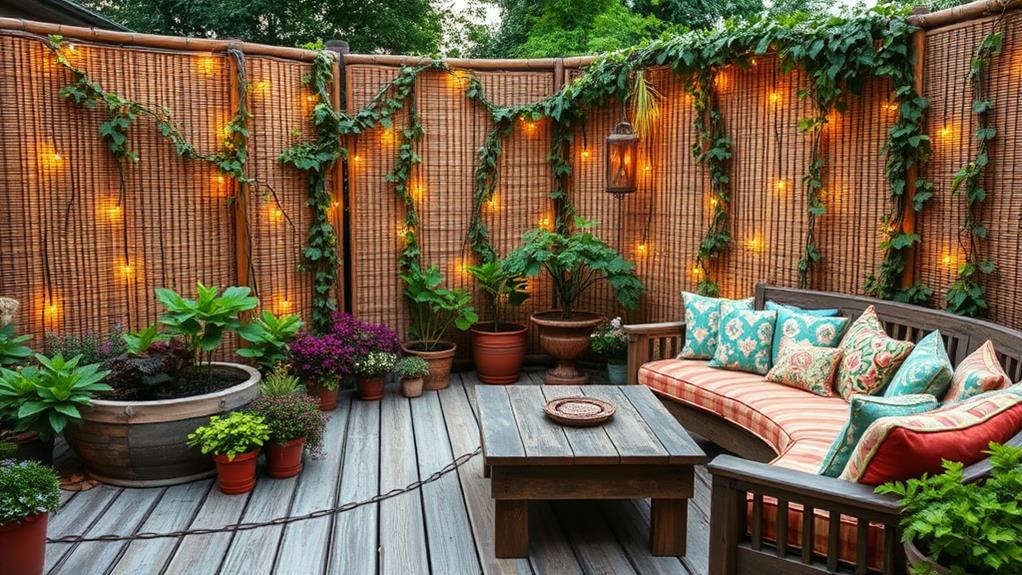
While outdoor rugs enhance the aesthetic appeal of your space, privacy screens offer both visual appeal and seclusion. Creating affordable privacy screens can be achieved through various DIY methods and materials.
Bamboo or reed fencing, easily installed on existing structures, provides a natural, tropical ambiance. Alternatively, repurposed wooden pallets can be transformed into rustic screens with a coat of weather-resistant paint or stain.
For a more modern look, consider using outdoor fabric panels suspended between posts or attached to a frame. This option allows for customization in color and pattern while remaining budget-friendly. Plant-based screens offer a dual purpose of privacy and greenery. Fast-growing vines on a trellis or container plants strategically placed can create living walls. Tall grasses or bamboo planted in large pots also serve as movable privacy screens.
Repurposed materials like old shutters, lattice panels, or even shower curtains can be creatively utilized to fashion unique privacy screens. By mixing and matching these affordable options, you can tailor your outdoor space to your desired level of privacy while adding character and style to your deck or patio.
Weatherproofing Techniques
To ensure the longevity of your outdoor living spaces, implementing effective weatherproofing techniques is essential. Start by thoroughly cleaning and inspecting your deck or patio for any signs of damage or wear. Apply a high-quality water sealant to protect wooden surfaces from moisture penetration, which can lead to warping, rotting, and mold growth. For composite decking, use a specialized cleaner and protectant designed for synthetic materials.
Consider applying a non-slip coating to prevent accidents during wet conditions. Install proper drainage systems to divert water away from your outdoor living area, preventing pooling and potential structural damage. For metal furniture and fixtures, use rust-resistant paint or coatings to prevent corrosion.
Invest in weather-resistant cushions and fabrics for outdoor seating, or use removable covers that can be easily stored during inclement weather. Install retractable awnings or pergolas with waterproof canopies to provide additional protection from sun and rain. Finally, ensure all electrical components, such as lighting and sound systems, are properly rated for outdoor use and protected from moisture. Regular maintenance and inspections will help identify and address potential issues before they become costly problems.
Frequently Asked Questions
How Often Should I Resurface My Deck?
The frequency of deck resurfacing depends on various factors, including material, climate, and usage. Generally, wooden decks should be resurfaced every 2-3 years, while composite decks may last 5-10 years before needing attention. Regular maintenance can extend these intervals.
Can I Paint Over Old Stain or Does It Need Removal First?
Generally, you can paint over old stain if it's in good condition and not peeling. However, for optimal results, it's recommended to sand the surface lightly and clean thoroughly before applying paint. Always use a primer for better adhesion.
What's the Best Way to Remove Mold and Mildew From Deck Boards?
Scrub and spray: the dynamic duo for deck cleansing. Begin with a mixture of oxygen bleach and water, scrubbing vigorously. Rinse thoroughly, then apply a commercial mold remover. Pressure washing can be effective but may damage softer woods.
Are Composite Decking Materials Worth the Extra Cost for Long-Term Maintenance?
Composite decking materials often justify their higher initial cost through reduced long-term maintenance. They resist mold, mildew, and rot, require minimal upkeep, and maintain their appearance for years. This can result in significant time and money savings over time.
How Can I Protect My Deck From Sun Damage and Fading?
Sun's beauty can be a deck's nemesis. Protect your investment by applying UV-resistant sealants or stains regularly. Consider shade solutions like pergolas or umbrellas. Periodic cleaning and maintenance will also help preserve your deck's color and integrity.
Conclusion
In conclusion, the rejuvenation of outdoor living spaces need not be a financially burdensome undertaking. Through judicious application of cost-effective strategies, ranging from gentle cleansing and aesthetic enhancement to structural fortification and atmospheric augmentation, even the most weathered decks can experience a renaissance. By implementing these economical approaches, homeowners can transform their exterior sanctuaries into inviting retreats, fostering an ambiance of relaxation and conviviality without imposing undue strain on monetary resources. The art of deck revitalization thus becomes an accessible endeavor for the astute and resourceful property steward.