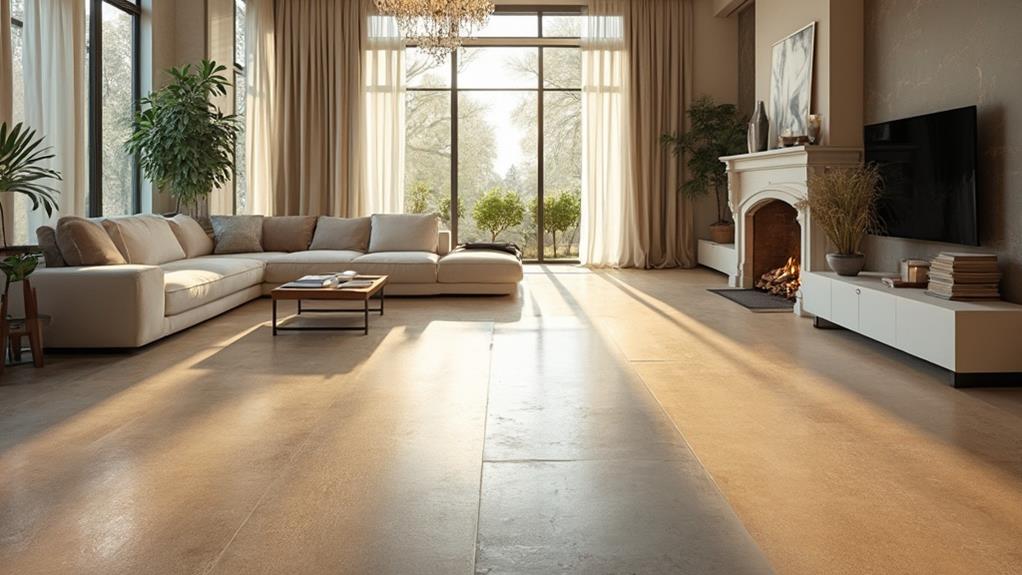

Various budget-friendly alternatives to hardwood flooring offer luxurious looks without breaking the bank. Engineered wood flooring combines genuine hardwood veneer with cost-effective layers, while luxury vinyl planks provide superior water resistance and realistic wood appearances. Laminate flooring offers durability and affordability, and wood-look ceramic tiles blend aesthetics with practicality. Bamboo flooring presents an eco-friendly option, and wood-look vinyl sheet flooring delivers cost-effective elegance. For those seeking a weathered look, reclaimed wood alternatives in engineered, vinyl, or laminate forms are available. Stone-plastic composite flooring represents a cutting-edge choice, combining durability with waterproof properties. These options cater to various preferences and budgets, offering stylish solutions for any home improvement project.
Engineered Wood Flooring
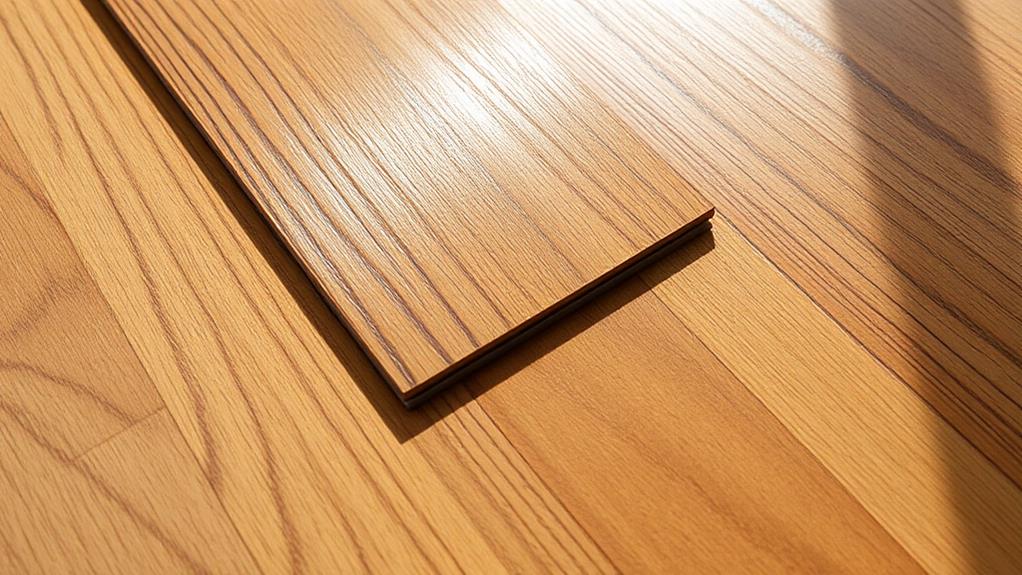
Engineered wood flooring offers a compelling alternative to traditional hardwood floors. This innovative option consists of multiple layers, with a top veneer of genuine hardwood bonded to high-quality plywood or fiberboard. The result is a durable, stable flooring solution that closely mimics the appearance of solid hardwood.
One of the primary advantages of engineered wood is its resistance to moisture and temperature fluctuations. This stability makes it suitable for installation in areas where solid hardwood might be problematic, such as basements or over radiant heating systems. Additionally, engineered wood flooring is often more cost-effective than solid hardwood, particularly when considering exotic wood species.
Installation of engineered wood flooring is typically easier and faster than solid hardwood, with many products designed for click-lock or floating installation methods. This can significantly reduce labor costs and installation time. Engineered wood also offers environmental benefits, as it uses less of the slow-growing hardwood species in its construction.
While engineered wood flooring may have a shorter lifespan than solid hardwood, many high-quality options can be refinished multiple times, extending their longevity and maintaining their luxurious appearance for years to come.
Luxury Vinyl Planks
Luxury Vinyl Planks (LVP) represent a cutting-edge flooring solution that combines aesthetics with practicality. These durable, synthetic planks are designed to mimic the look of hardwood while offering superior water resistance and easy maintenance. LVP is composed of multiple layers, including a wear layer, a printed design layer, and a rigid core, resulting in a product that is both sturdy and visually appealing.
One of the key advantages of LVP is its versatility. It can be installed in areas where traditional hardwood is not recommended, such as bathrooms and basements, due to its moisture-resistant properties. The planks are available in a wide range of styles, colors, and textures, allowing homeowners to achieve the desired look without compromising on functionality. Additionally, LVP is often more affordable than hardwood or engineered wood flooring, making it an attractive option for budget-conscious consumers.
Installation of LVP is typically straightforward, with many products featuring click-lock systems that allow for easy DIY installation. The planks are also thinner than hardwood, which can be beneficial in renovation projects where floor height is a concern. While LVP may not have the same long-term value as real hardwood, its durability and low maintenance requirements make it a popular choice for modern homes.
Laminate Flooring
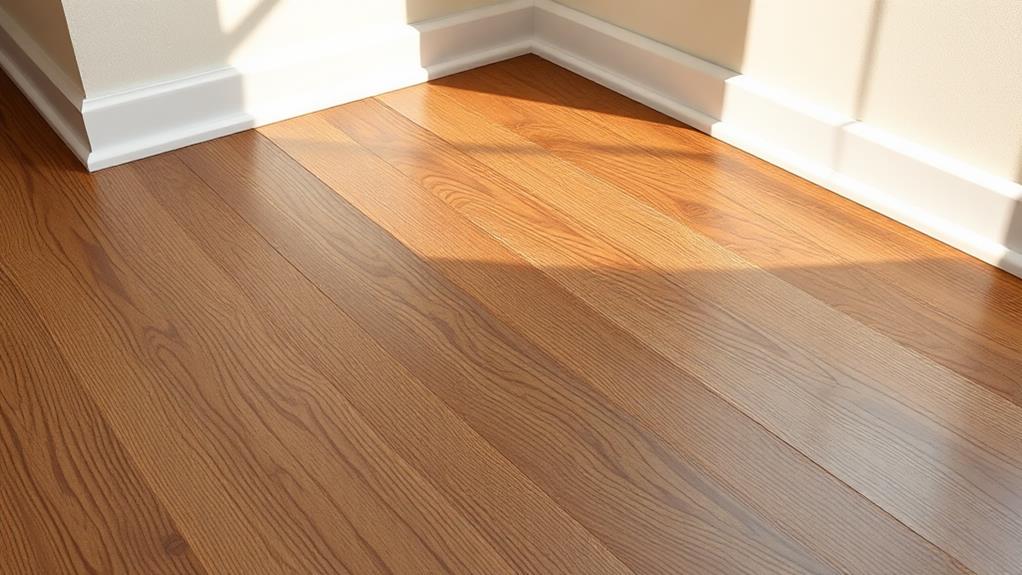
While Luxury Vinyl Planks offer a modern alternative to hardwood, laminate flooring remains a popular choice for homeowners seeking durability and affordability. Composed of multiple layers, including a high-density fiberboard core and a photographic layer that mimics wood grain, laminate provides a convincing hardwood look at a fraction of the cost.
Laminate flooring boasts several advantages, including resistance to scratches, dents, and fading. Its wear layer protects against daily foot traffic, making it ideal for high-traffic areas and homes with pets or children. Installation is relatively simple, often utilizing a click-lock system that doesn't require adhesives, allowing for a faster and cleaner installation process.
Maintenance of laminate flooring is straightforward, typically requiring only regular sweeping and occasional damp mopping. However, it's important to note that laminate is not water-resistant and can warp if exposed to standing water. While laminate has improved significantly in appearance over the years, some homeowners still find it less authentic-looking than real wood or high-end vinyl options. Despite this, laminate's cost-effectiveness and durability continue to make it a attractive option for budget-conscious consumers seeking a hardwood alternative.
Wood-Look Ceramic Tiles
For those seeking the aesthetic appeal of hardwood with the durability of tile, wood-look ceramic tiles offer an innovative solution. These tiles replicate the grain, texture, and color variations of natural wood while providing the water-resistant and low-maintenance benefits of ceramic.
Available in a wide range of styles, from rustic barn wood to sleek contemporary finishes, wood-look tiles can suit various design preferences.
Installation of wood-look ceramic tiles is similar to traditional tile, often using grout lines to enhance the wood plank appearance. This flooring option excels in high-moisture areas like bathrooms and kitchens, where real wood might warp or deteriorate.
The tiles are also resistant to scratches, dents, and fading, making them ideal for high-traffic areas and homes with pets.
While wood-look tiles can be more expensive than some other hardwood alternatives, they offer long-term value due to their durability and longevity. Additionally, they can be paired with radiant floor heating systems, providing comfort underfoot.
When considering this option, it's important to choose high-quality tiles and ensure proper installation to achieve the most authentic wood-like appearance.
Bamboo Flooring
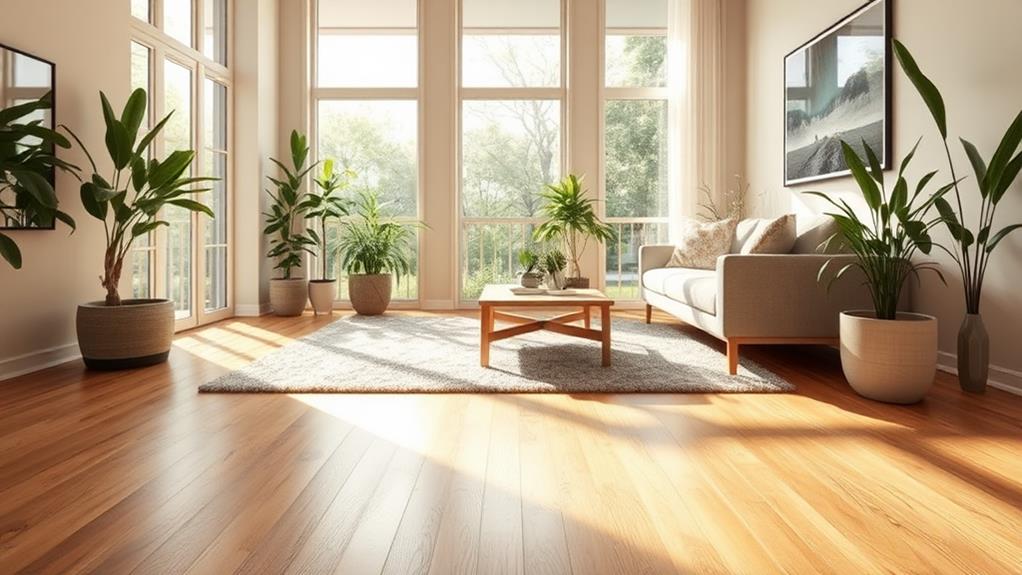
As a rapidly renewable resource, bamboo flooring has gained popularity as an eco-friendly alternative to traditional hardwood. This durable material offers a unique aesthetic that can complement various interior styles, from modern to rustic. Available in a range of colors and finishes, bamboo flooring can mimic the look of traditional hardwoods or showcase its distinctive grain patterns.
Bamboo flooring comes in two main types: strand-woven and traditional. Strand-woven bamboo is known for its superior hardness, often surpassing that of many hardwoods. Traditional bamboo flooring, while slightly less durable, still offers excellent resistance to wear and tear. Both types are relatively easy to maintain, requiring regular sweeping and occasional damp mopping.
One of the key advantages of bamboo flooring is its affordability compared to many hardwood options. However, it's important to note that the quality can vary significantly between manufacturers. When choosing bamboo flooring, look for products certified by reputable organizations to ensure environmental sustainability and low formaldehyde emissions. While bamboo is generally moisture-resistant, it may not be suitable for bathrooms or areas prone to high humidity without proper sealing and maintenance.
Cork Flooring
Another eco-friendly option in the realm of sustainable flooring is cork. Harvested from the bark of cork oak trees without harming the tree itself, cork flooring offers a unique combination of environmental responsibility and practical benefits. This renewable resource is naturally resistant to mold, mildew, and pests, making it an excellent choice for allergy sufferers and health-conscious homeowners.
Cork flooring provides a soft, cushioned surface that's comfortable underfoot and offers excellent sound insulation. Its cellular structure also makes it an effective thermal insulator, helping to maintain room temperature and potentially reduce energy costs. Available in a variety of colors and patterns, cork can mimic the look of traditional hardwood or offer a distinctive, modern aesthetic.
While cork is durable, it can be susceptible to scratches and dents from heavy furniture or sharp objects. Regular maintenance, including periodic resealing, is necessary to ensure its longevity. Despite these considerations, cork flooring remains a popular choice for those seeking an environmentally friendly, comfortable, and visually appealing alternative to hardwood floors.
Wood-Look Vinyl Sheet Flooring
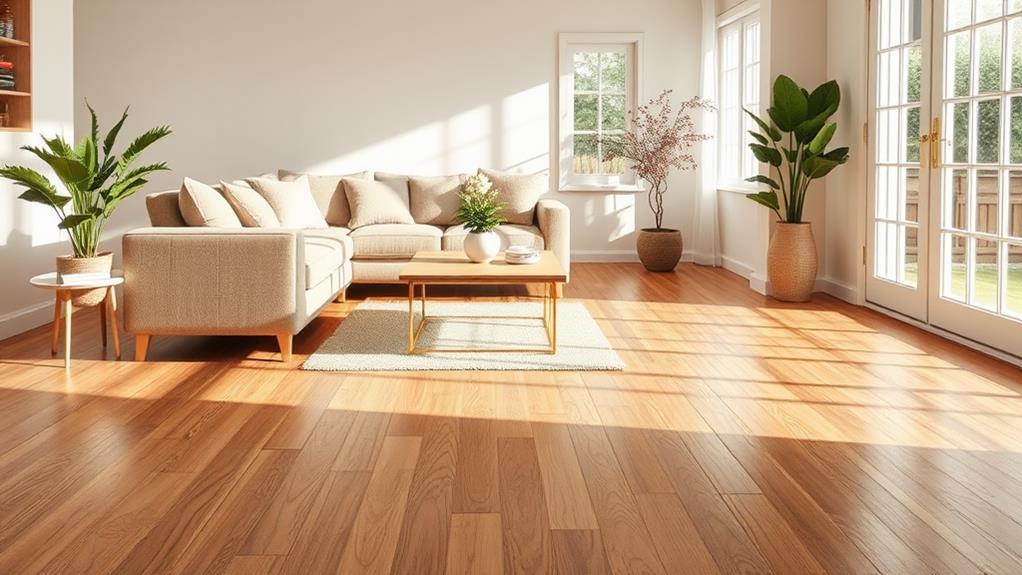
Wood-look vinyl sheet flooring has come a long way in recent years, offering homeowners a cost-effective and practical alternative to hardwood. This versatile flooring option replicates the appearance of various wood species with remarkable accuracy, thanks to advanced printing technologies and embossing techniques.
Available in a wide range of colors, grains, and textures, vinyl sheet flooring can convincingly mimic popular hardwoods like oak, maple, and walnut.
One of the primary advantages of wood-look vinyl sheet flooring is its durability and water resistance. Unlike natural hardwood, vinyl can withstand moisture exposure, making it suitable for bathrooms, kitchens, and basements. It's also highly resistant to scratches, dents, and stains, making it an excellent choice for households with pets or children.
Installation is typically straightforward, with options for glue-down or loose-lay methods, depending on the specific product. Maintenance is minimal, requiring only regular sweeping and occasional damp mopping. While vinyl flooring may not increase a home's resale value like genuine hardwood, its affordability, longevity, and realistic appearance make it an attractive option for budget-conscious homeowners seeking a luxurious look without the associated costs and upkeep of real wood.
Reclaimed Wood Alternatives
Environmentally conscious homeowners seeking the rustic charm of reclaimed wood without the associated costs or scarcity can explore several convincing alternatives. These options mimic the character and appeal of reclaimed wood while offering improved durability and easier maintenance.
Engineered wood flooring with a distressed finish is a popular choice. Manufacturers use techniques like wire-brushing, hand-scraping, and adding intentional imperfections to create an aged appearance. This option provides the look of reclaimed wood with the stability of engineered planks.
Luxury vinyl planks (LVP) have made significant advancements in replicating reclaimed wood textures. High-definition printing and embossing technologies create realistic wood grain patterns and weathered effects. LVP offers excellent durability, water resistance, and easy installation.
Porcelain tiles designed to mimic reclaimed wood are another viable alternative. These tiles combine the aesthetic of aged wood with the durability and moisture resistance of ceramic. They're ideal for high-traffic areas or rooms prone to moisture.
Laminate flooring with reclaimed wood designs has also improved in recent years. Modern manufacturing processes create authentic-looking surfaces that closely resemble weathered wood, complete with knots, saw marks, and color variations.
Stone-Plastic Composite Flooring
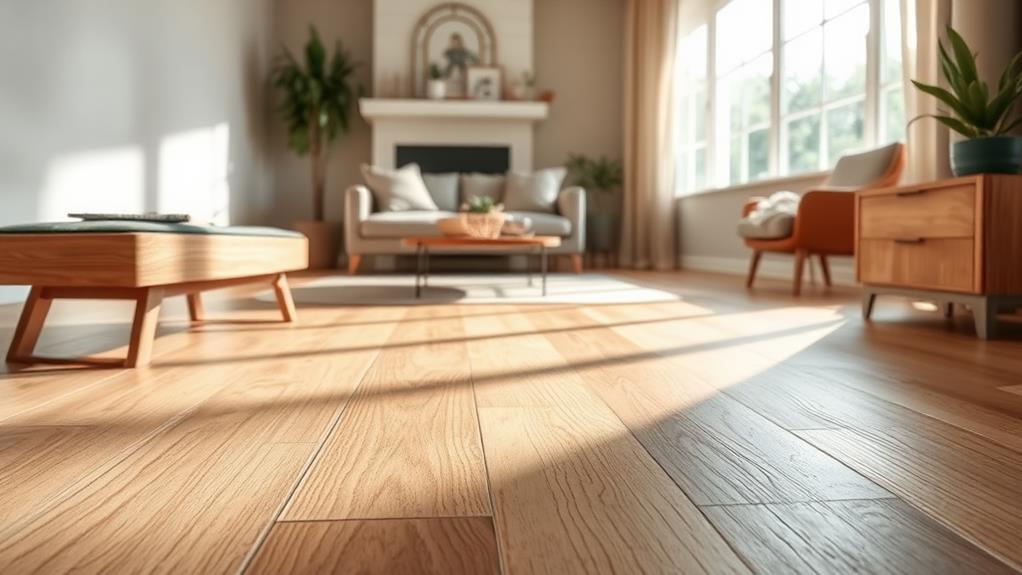
Stone-plastic composite (SPC) flooring represents a cutting-edge alternative in the hardwood floor market. This innovative material combines limestone powder, polyvinyl chloride, and stabilizers to create a durable, waterproof, and dimensionally stable flooring option. SPC flooring offers the aesthetic appeal of hardwood or stone while providing superior resistance to scratches, dents, and moisture.
One of the primary advantages of SPC flooring is its exceptional durability. The rigid core construction makes it highly resistant to heavy foot traffic, impacts, and temperature fluctuations. This resilience makes SPC an ideal choice for both residential and commercial spaces.
Additionally, SPC flooring is 100% waterproof, making it suitable for installation in bathrooms, kitchens, and basements where moisture exposure is a concern.
Installation of SPC flooring is relatively simple, thanks to its click-lock system, which allows for easy DIY installation without the need for adhesives. The product's thin profile also makes it an excellent option for renovations, as it can often be installed directly over existing flooring. With a wide range of designs and textures available, SPC flooring offers a versatile and cost-effective solution for those seeking a hardwood alternative that combines style and practicality.
Frequently Asked Questions
How Do Hardwood Floor Alternatives Affect Home Resale Value?
Hardwood floor alternatives can impact home resale value, depending on the quality and perception of the material. While some options may slightly decrease value, high-quality alternatives that closely mimic hardwood can maintain or even enhance resale potential.
Can These Alternatives Be Installed Over Existing Flooring?
Like a chameleon adapting to its surroundings, many flooring alternatives can indeed be installed over existing surfaces. However, the feasibility depends on factors such as the condition of the current floor, subfloor type, and specific alternative chosen.
What Maintenance Is Required for Hardwood Floor Alternatives?
Maintenance requirements for flooring alternatives vary by type. Generally, regular sweeping, occasional mopping, and prompt cleaning of spills are essential. Some options may need periodic resealing or refinishing. Always follow manufacturer-specific care instructions for optimal longevity.
Are Hardwood Floor Alternatives Suitable for Radiant Heating Systems?
Many hardwood floor alternatives are compatible with radiant heating systems. Vinyl, laminate, and engineered wood often work well, offering good heat conductivity. However, it's crucial to check manufacturer specifications and consult professionals for optimal performance and installation.
How Do These Alternatives Compare to Hardwood in Terms of Durability?
Hardwood floor alternatives vary in durability. While some options like luxury vinyl and engineered wood can match or exceed hardwood's resilience, others may be less durable. Proper maintenance and quality of materials significantly influence longevity across all flooring types.
Conclusion
In the quest for affordable elegance underfoot, these alternatives to traditional hardwood shine like hidden gems. From the warm glow of engineered wood to the resilient charm of luxury vinyl, each option paints a picture of sophistication without breaking the bank. Like chameleons adapting to their surroundings, these flooring choices blend seamlessly into diverse interiors, offering durability and style in equal measure. Homeowners can now walk on surfaces that whisper luxury while keeping wallets comfortably padded, proving that opulence need not come at a premium.