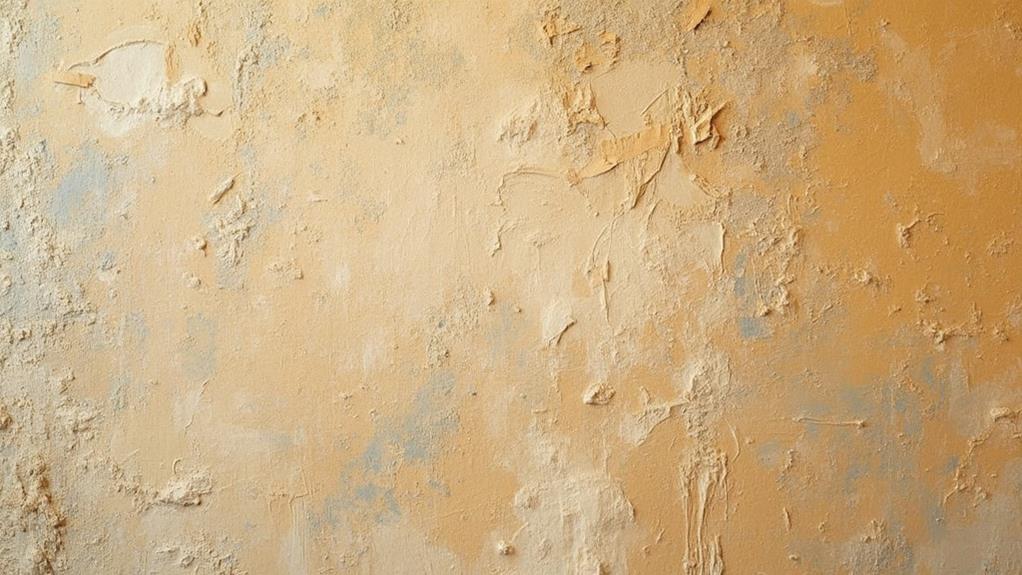

Adding texture and depth to walls doesn't require expensive treatments or professional expertise. DIY techniques like sponge painting, rag rolling, and combing can create unique effects using simple tools and paint. Unconventional materials such as burlap, tissue paper, or sand mixed with paint offer affordable options for creating tactile surfaces. Affordable 3D wall panels provide easy-to-install alternatives for dramatic impact. Creative stenciling and stamping allow for customizable patterns and designs. Textured paint and embossed paper serve as budget-friendly alternatives to traditional wallpaper. With these methods, homeowners can transform their spaces without breaking the bank. Exploring these techniques opens up a world of possibilities for personalized wall treatments.
DIY Textured Paint Techniques
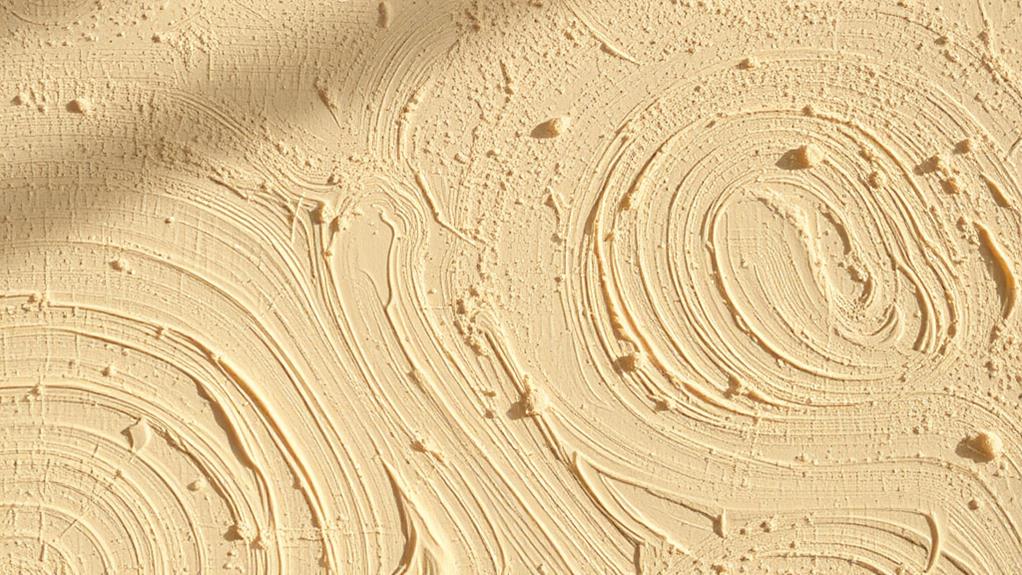
DIY textured paint techniques can transform plain walls into visually captivating surfaces. These methods offer an affordable way to add depth and interest to your living spaces without expensive treatments.
One popular technique is sponge painting, which involves applying a base coat and then dabbing on a contrasting color with a natural sponge to create a mottled effect. Another option is rag rolling, where a cloth is used to remove wet glaze from the wall, leaving behind a subtle, textured pattern.
For more dramatic results, try the knockdown technique. This involves spraying a texture compound onto the wall and then flattening it partially with a knockdown knife, creating a stucco-like appearance. Combing is another simple yet effective method, where a special brush or comb is dragged through wet paint to create linear patterns.
For a rustic look, consider color washing, which involves applying a thin, translucent layer of paint over a base color and manipulating it with a brush or cloth to create a weathered effect. These DIY techniques allow homeowners to customize their walls with unique textures and finishes, adding character and depth to any room.
Unconventional Materials for Wall Texture
Moving beyond traditional paint techniques, unconventional materials offer exciting possibilities for adding texture to walls. Everyday items can be repurposed to create unique textures and visual interest. For instance, burlap can be applied to walls using wallpaper paste, creating a rustic, woven appearance. Tissue paper, crumpled and adhered with a mixture of water and glue, produces a leather-like texture when painted over.
For a more industrial look, consider using metal mesh or hardware cloth. These materials can be cut to size and attached to walls using construction adhesive, then painted to match the desired aesthetic. Sand mixed with paint creates a gritty, beach-inspired texture, while coffee grounds can be incorporated for a subtle, organic feel.
Recycled materials like shredded paper or sawdust can be mixed with paint or adhesive to create a textured paste. Even household items like plastic wrap or aluminum foil can be used to create interesting patterns when pressed into wet paint or joint compound. These unconventional approaches not only add depth to walls but also offer an eco-friendly and budget-conscious alternative to expensive textured treatments.
Affordable 3D Wall Panels
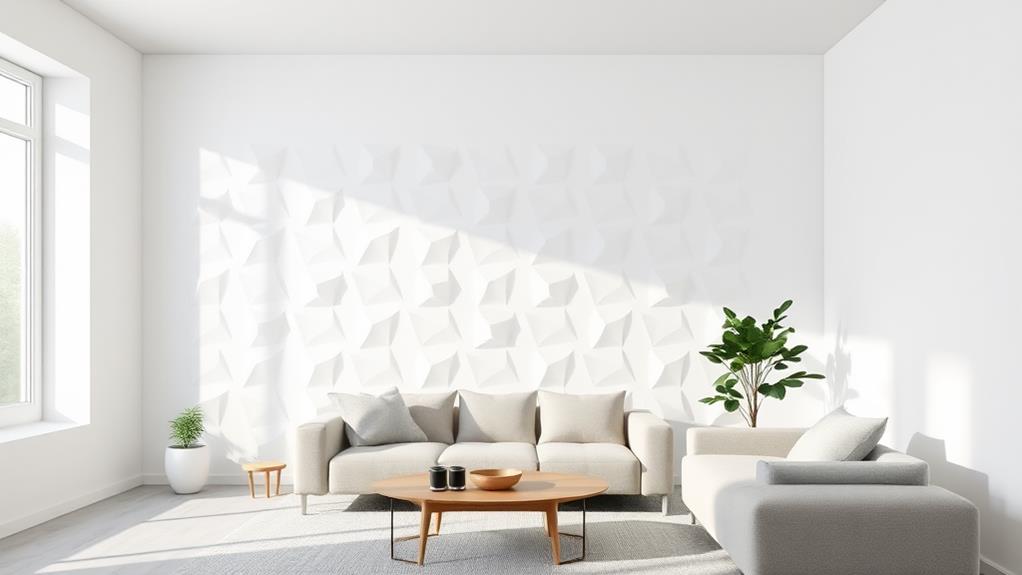
Transforming walls with depth and dimension has become more accessible thanks to affordable 3D wall panels. These lightweight, easy-to-install options offer a quick and cost-effective way to add visual interest to any room. Made from materials like PVC, recycled plant fibers, or molded gypsum, these panels come in a variety of patterns and textures, ranging from geometric shapes to organic designs.
Installation is typically straightforward, often requiring only adhesive and basic tools. Many panels can be painted to match existing decor or left in their natural state for a modern look. The versatility of 3D wall panels allows for creative applications, such as accent walls, headboards, or even ceiling features. Their lightweight nature makes them suitable for both permanent installations and temporary decor changes in rental properties.
When selecting affordable 3D wall panels, consider factors such as room size, existing decor, and desired impact. Larger patterns can make a bold statement in spacious areas, while smaller, subtle designs work well in compact spaces. With proper planning and installation, these budget-friendly panels can dramatically transform a room's ambiance without the need for extensive renovations or expensive materials.
Creative Stenciling and Stamping
Another innovative approach to adding depth to walls involves creative stenciling and stamping techniques. These methods offer a cost-effective way to create intricate patterns and textures on walls without the need for expensive materials or professional installation.
Stenciling allows for the application of repeating designs or custom patterns using paint and pre-cut templates. DIY enthusiasts can create their own stencils or purchase ready-made options in various styles, from geometric shapes to floral motifs. By layering different colors or using metallic paints, stenciling can produce a subtle or dramatic effect, depending on the desired outcome.
Stamping, on the other hand, involves using textured rollers or custom-made stamps to imprint patterns directly onto the wall surface. This technique can mimic the look of wallpaper or create unique textures reminiscent of natural materials like stone or wood. Stamps can be applied with paint or textured compounds to achieve different levels of depth and dimension.
Both stenciling and stamping offer versatility in design and can be easily customized to suit individual tastes and interior styles, making them excellent options for budget-conscious homeowners seeking to add visual interest to their walls.
Textured Wallpaper Alternatives
While traditional textured wallpaper can be expensive and difficult to install, several alternatives offer similar visual appeal and tactile interest. One budget-friendly option is textured paint, which comes in various finishes like sand, stone, or suede. These paints create depth and dimension without the hassle of wallpaper application.
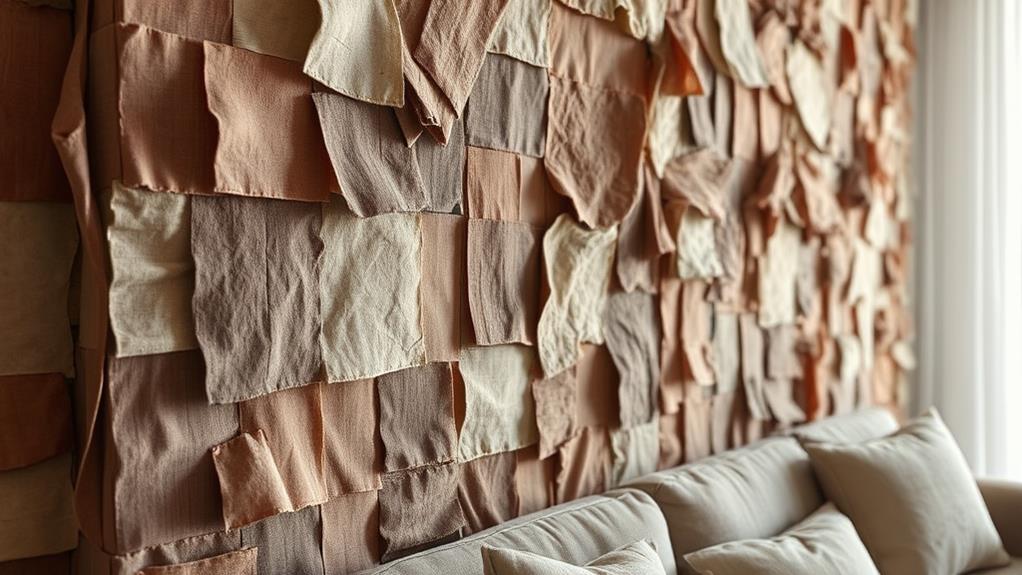
Another alternative is embossed paper, which can be painted over to achieve a custom look. This option provides raised patterns and textures at a fraction of the cost of traditional wallpaper. Fabric wallcoverings offer a unique tactile experience and can be applied using liquid starch for easy removal.
For a more DIY approach, consider using textured rollers or sponges to create patterns on painted walls. These tools allow for customization and can be used with different paint colors to achieve various effects. Faux finishing techniques, such as color washing or ragging, can also add depth and texture to walls without the need for expensive materials.
Lastly, consider using wall decals or stickers with raised patterns. These removable options provide texture and visual interest without long-term commitment or extensive installation processes.
Frequently Asked Questions
How Long Does It Take for Textured Walls to Dry Completely?
The drying time for textured walls varies depending on factors like humidity, ventilation, and the type of texture applied. Generally, it takes 24 to 48 hours for the texture to dry completely and be ready for painting.
Can Textured Walls Be Easily Cleaned Without Damaging the Surface?
Carefully cleaning textured walls can be accomplished without damage. Use a soft sponge or microfiber cloth with mild soap and water. Gently wipe in circular motions, avoiding excessive scrubbing. Rinse thoroughly and pat dry to preserve the texture.
Are There Any Health Concerns Associated With DIY Wall Texturing Materials?
When considering DIY wall texturing materials, potential health concerns include dust inhalation during application and VOC emissions from certain products. Proper ventilation and protective equipment are crucial. Some materials may also pose allergy risks for sensitive individuals.
How Do Textured Walls Affect Room Acoustics and Sound Insulation?
Imagine a symphony hall's embrace. Textured walls act as miniature soundscapes, scattering sound waves like leaves in the wind. They can enhance room acoustics by reducing echoes and reverberation, while slightly improving sound insulation between spaces.
Can Textured Walls Be Safely Removed or Smoothed Out in the Future?
Textured walls can be safely removed or smoothed out in the future. The process typically involves sanding, applying joint compound, and repainting. While time-consuming and potentially messy, it is a feasible DIY project or professional service for homeowners.
Conclusion
Textured walls need not be expensive or complicated. DIY techniques, unconventional materials, and affordable options abound for those seeking depth and visual interest. From creative paint applications to innovative use of everyday items, the possibilities are vast. Stenciling, stamping, and textured wallpaper alternatives offer further avenues for exploration. By embracing these budget-friendly approaches, homeowners can transform plain surfaces into captivating focal points, enhancing the overall aesthetic of their living spaces without breaking the bank.