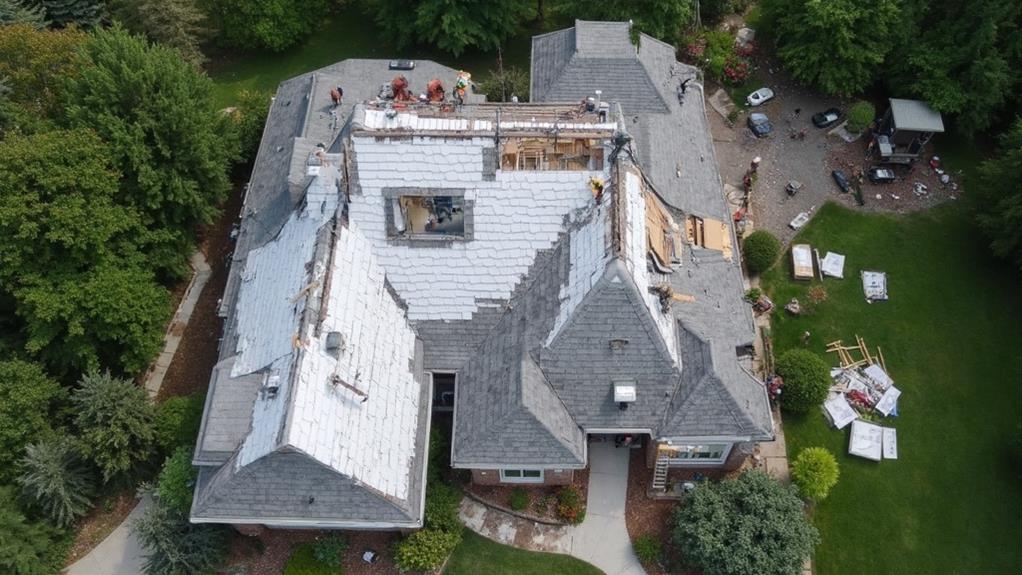

Planning a roof renovation or replacement begins with assessing your current roof's condition, including inspecting for water damage and structural issues. Next, set a realistic budget by researching material and labor costs, and obtaining multiple quotes from contractors. Choose appropriate roofing materials based on climate, building codes, and architectural style. Hire a reputable contractor by verifying credentials, checking references, and comparing detailed estimates. Finally, prepare your home by clearing the attic, protecting valuables, and securing outdoor areas. By following these steps, you'll be well-equipped to tackle your roofing project with confidence and ensure a smooth process from start to finish.
Assess Your Roof's Condition
Before embarking on a roof renovation or replacement project, a thorough assessment of your roof's current condition is essential. Begin by inspecting both the interior and exterior of your roof. Look for signs of water damage, such as stains on ceilings or walls, which may indicate leaks. Check the attic for daylight coming through the roof boards, as this suggests structural issues.
Externally, examine the roof for missing, cracked, or curling shingles. Pay attention to the flashing around chimneys, vents, and skylights, as these areas are prone to leaks. Look for excessive granules in gutters, which indicate shingle deterioration. Assess the overall age of your roof, as most asphalt shingle roofs last 20-30 years.
Consider hiring a professional roofing inspector for a comprehensive evaluation. They can identify hidden problems and provide an accurate assessment of your roof's condition. This expert insight will help you determine whether a simple repair, partial renovation, or complete replacement is necessary. A thorough assessment ensures you make informed decisions about your roof project, potentially saving time and money in the long run.
Set a Realistic Budget
With a clear understanding of your roof's condition, the next step is to establish a realistic budget for your renovation or replacement project. Begin by researching average costs for roofing materials and labor in your area. Factors that influence the budget include the size and pitch of your roof, the chosen materials, and any additional work required, such as structural repairs or ventilation improvements.
Request quotes from multiple reputable roofing contractors to get a more accurate estimate. Be sure to ask for itemized breakdowns of costs, including materials, labor, permits, and potential additional expenses. Consider setting aside 10-20% of your total budget as a contingency fund for unexpected issues that may arise during the project.
If your budget is limited, explore financing options such as home equity loans, personal loans, or roofing company financing programs. Some manufacturers also offer warranties that can help protect your investment long-term. Remember to factor in potential energy savings from improved insulation or reflective roofing materials, which can offset costs over time. By carefully planning your budget and considering all aspects of the project, you can ensure a successful roof renovation or replacement without financial surprises.
Choose the Right Materials
Selecting the appropriate materials for your roof renovation or replacement is crucial for ensuring longevity, performance, and aesthetic appeal. Consider factors such as climate, local building codes, and architectural style when making your decision. Popular roofing materials include asphalt shingles, metal, clay tiles, and slate.
Asphalt shingles are cost-effective and versatile, suitable for most climates. Metal roofing offers durability and energy efficiency, with options like steel, aluminum, and copper.
Clay tiles provide excellent insulation and a distinctive look, ideal for Mediterranean or Spanish-style homes. Slate is a premium option, known for its longevity and natural beauty.
Evaluate each material's lifespan, maintenance requirements, and energy efficiency. For instance, metal roofs can last up to 50 years and reflect solar heat, while asphalt shingles typically last 20-30 years. Consider the weight of the materials, as some may require additional structural support.
Consult with a roofing professional to determine the best options for your specific needs and budget. They can provide samples and help you visualize how different materials will look on your home.
Find a Reputable Contractor
Finding a reputable contractor is a critical step in ensuring the success of your roof renovation or replacement project. Begin by seeking recommendations from friends, family, or neighbors who have recently completed similar projects. Online review platforms and local business directories can also provide valuable insights into contractors' reputations and work quality.
Once you have a list of potential contractors, verify their credentials. Ensure they are licensed, bonded, and insured in your state. Request proof of insurance and check if it covers both liability and workers' compensation. Contact your local building department to confirm their licensing status and inquire about any complaints filed against them.
Request detailed written estimates from at least three contractors. These should include a breakdown of materials, labor costs, and project timeline. Be wary of significantly low bids, as they may indicate subpar materials or workmanship. Ask for references from recent clients and, if possible, visit completed projects to assess the quality of their work.
Prepare Your Home
Once you've chosen a reputable contractor for your roof renovation or replacement, the next step is to prepare your home for the upcoming work. Begin by clearing your attic of valuables and covering remaining items with protective sheets to shield them from dust and debris. Remove wall decorations and fragile objects from upper floors, as the vibrations from roofing work may cause them to fall.
Trim trees and bushes near your home to provide easy access for workers and equipment. Clear your driveway and designate a specific area for material delivery and waste disposal. Inform your neighbors about the upcoming project and potential noise or inconvenience.
Protect your landscaping by covering plants and flower beds with tarps. Remove or cover outdoor furniture and equipment. Ensure clear access to electrical outlets for the roofing team's power tools. Temporarily relocate vehicles to avoid potential damage from falling debris.
Inside your home, secure loose items in the attic and consider adding extra insulation to minimize dust infiltration. Lastly, make arrangements for children and pets to be away from the property during work hours to ensure their safety and reduce stress.
Frequently Asked Questions
How Long Does a Typical Roof Renovation or Replacement Take?
The duration of a typical roof renovation or replacement varies depending on factors such as house size, roof complexity, and weather conditions. Generally, the process can take anywhere from a few days to two weeks for residential properties.
Can I Stay in My Home During the Roof Renovation?
Like a bird's nest under construction, your home may be a bit noisy during a roof renovation. Generally, you can stay in your house, but be prepared for potential disruptions, dust, and noise during working hours.
What Permits Are Required for a Roof Replacement Project?
Roof replacement typically requires a building permit from your local municipality. The specific requirements vary by location, but generally include submitting plans, passing inspections, and ensuring compliance with local building codes and zoning regulations.
How Often Should I Schedule Professional Roof Inspections After Renovation?
Like a vigilant sentinel, your roof deserves regular attention. Schedule professional inspections annually or biannually, depending on your climate and roof type. After renovation, maintain this routine to ensure longevity and catch potential issues early, safeguarding your investment.
Are There Eco-Friendly Roofing Options Available for Environmentally Conscious Homeowners?
Yes, eco-friendly roofing options are available for environmentally conscious homeowners. These include solar tiles, recycled shingles, green roofs, cool roofs, and metal roofing. Each option offers unique benefits in terms of energy efficiency and sustainability.
Conclusion
Concluding carefully, conscientious consideration of crucial components culminates in a competent, cost-effective roof renovation or replacement. Prudent planning prevents potential pitfalls, promoting prolonged protection. Thoroughly assessing, budgeting, selecting suitable materials, and securing skilled services set the stage for successful structural solutions. Proper preparation preserves property and promotes peace of mind. By methodically managing each milestone, homeowners can harness heightened home health, harboring hope for a hardy, long-lasting roof that reliably resists the rigors of weather and time.