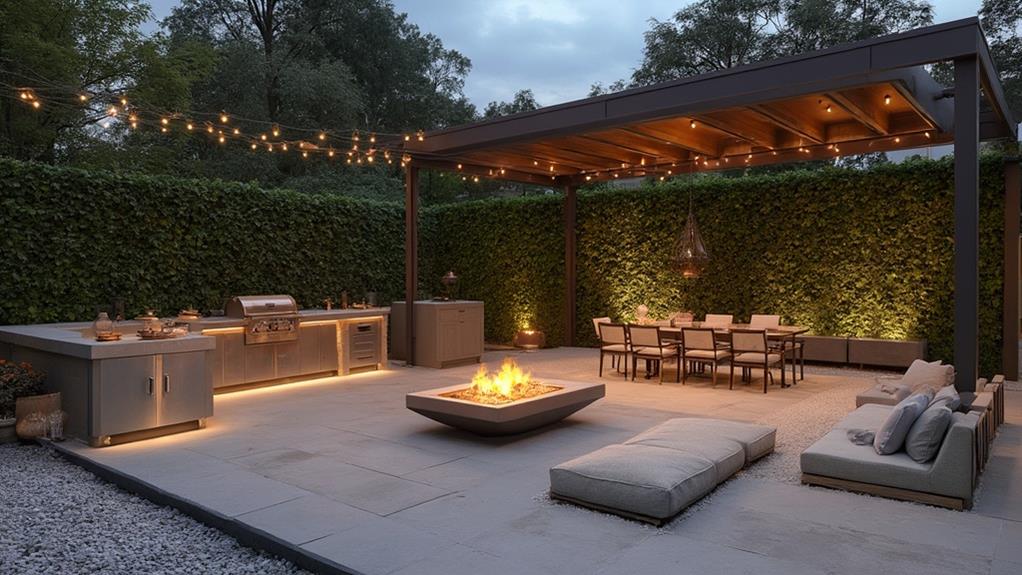


Modern outdoor living trends are transforming backyards into luxurious extensions of the home. Fully equipped outdoor kitchens, complete with high-end grills and refrigerators, are becoming increasingly popular. Fire pits and fireplaces serve as functional focal points, providing warmth and ambiance. Smart lighting systems offer unprecedented control via smartphone apps. Eco-friendly landscaping solutions, such as native plant gardens and rainwater harvesting systems, are gaining traction. Water features, from infinity pools to small fountains, add a touch of serenity. Comfortable, weather-resistant furniture creates inviting lounging areas. These trends not only enhance daily living but also boost property value. Exploring further reveals even more exciting outdoor living innovations.
Outdoor Kitchens and Dining Areas
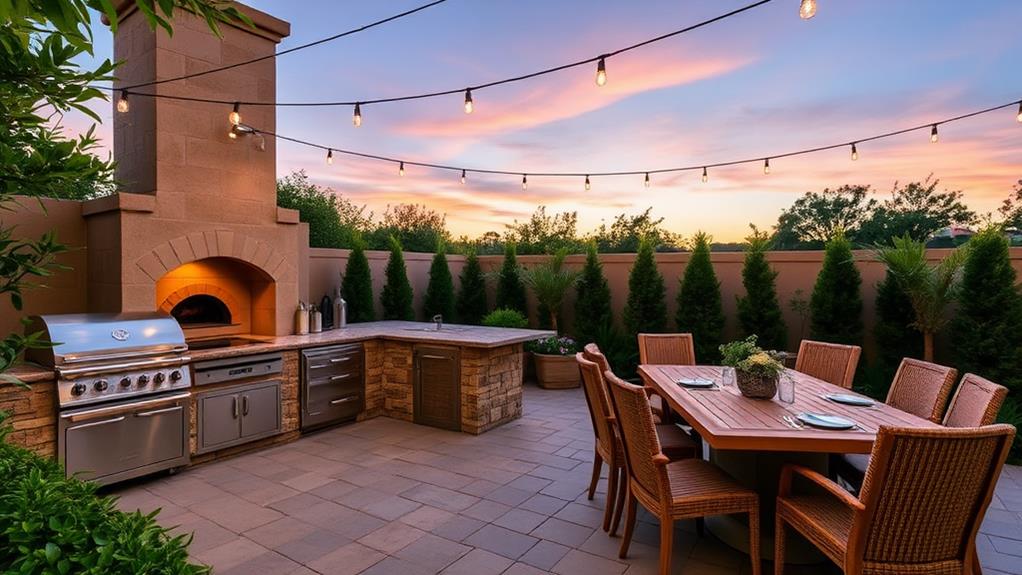
One of the most prominent outdoor living trends in recent years is the rise of fully equipped outdoor kitchens and dining areas. Homeowners are increasingly investing in sophisticated outdoor cooking spaces that rival their indoor counterparts. These areas typically feature high-end grills, refrigerators, sinks, and ample counter space for food preparation. Some even include pizza ovens, smokers, and built-in beverage coolers.
Complementing these kitchens are well-designed dining areas that blur the line between indoor and outdoor living. Weather-resistant furniture, durable flooring materials, and decorative lighting create inviting spaces for al fresco meals and entertaining. Retractable awnings or pergolas offer protection from the elements, extending the usability of these areas throughout the year.
The appeal of outdoor kitchens and dining spaces lies in their ability to enhance the home's living area and facilitate a more relaxed, social atmosphere for gatherings. They also add value to the property, making them a worthwhile investment for homeowners looking to upgrade their outdoor spaces. As this trend continues to grow, we can expect to see even more innovative features and designs in outdoor cooking and dining areas.
Fire Pits and Fireplaces
Fire pits and outdoor fireplaces have become essential elements in modern outdoor living spaces, serving as both functional and aesthetic focal points. These features extend the usability of outdoor areas by providing warmth and ambiance during cooler evenings. Homeowners can choose from various styles, including built-in stone fireplaces, portable fire pits, and sleek gas-powered designs.
Fire pits offer versatility and can be easily moved or stored when not in use. They come in a range of materials, such as steel, copper, and cast iron, allowing for customization to match existing outdoor decor. Outdoor fireplaces, on the other hand, provide a more permanent and substantial structure, often becoming the centerpiece of a patio or deck.
Both options create opportunities for gatherings and socializing, encouraging people to spend more time outdoors. They also add value to properties by enhancing the overall outdoor living experience. When designing these features, homeowners should consider factors such as fuel type (wood, gas, or propane), safety features, and local regulations. Proper placement and ventilation are crucial to ensure a safe and enjoyable outdoor fire experience.
Smart Outdoor Lighting Systems
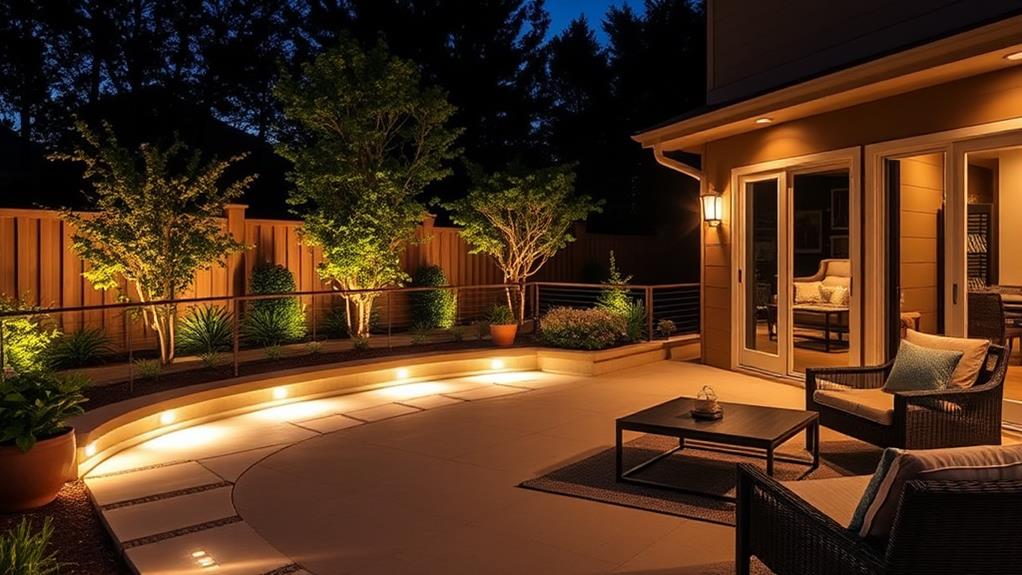
Smart outdoor lighting systems have revolutionized the way homeowners illuminate their exterior spaces. These advanced systems offer unprecedented control and customization, allowing users to create the perfect ambiance for any occasion. With smartphone apps or voice assistants, homeowners can easily adjust brightness, color, and timing of their outdoor lights.
Energy efficiency is a key feature of smart outdoor lighting. LED bulbs, combined with motion sensors and scheduling capabilities, significantly reduce electricity consumption. Many systems integrate with home automation platforms, enabling seamless coordination with other smart devices like security cameras and thermostats.
Functionality extends beyond mere illumination. Some smart lighting systems incorporate built-in speakers for outdoor entertainment, while others feature bug-repelling technology. Weather-resistant designs ensure durability in various climates.
Installation options range from DIY-friendly wireless setups to professional hard-wired systems. As technology advances, prices continue to become more accessible for average homeowners. The market offers a wide variety of styles, from sleek modern fixtures to traditional lanterns, ensuring compatibility with any outdoor aesthetic.
Eco-Friendly Landscaping Solutions
Eco-friendly landscaping solutions have gained significant traction as homeowners increasingly prioritize sustainability in their outdoor spaces. These environmentally conscious approaches focus on reducing water consumption, minimizing chemical use, and promoting biodiversity.
Native plant landscaping has emerged as a popular trend, utilizing species adapted to local climates that require less water and maintenance. Xeriscaping, a method of designing landscapes to reduce or eliminate the need for irrigation, is gaining popularity in drought-prone regions. Rain gardens and bioswales are being incorporated to manage stormwater runoff naturally, while permeable paving materials allow water to seep into the ground, reducing erosion and flooding.
Composting systems and organic gardening practices are replacing chemical fertilizers and pesticides. Homeowners are also embracing vertical gardens and green roofs to maximize space and improve air quality. Solar-powered outdoor features, such as fountains and lighting, are becoming more common, reducing energy consumption. Additionally, smart irrigation systems with moisture sensors and weather-based controllers are helping to conserve water while maintaining healthy landscapes. These eco-friendly solutions not only benefit the environment but also often result in lower maintenance costs and increased property values.
Water Features and Pools
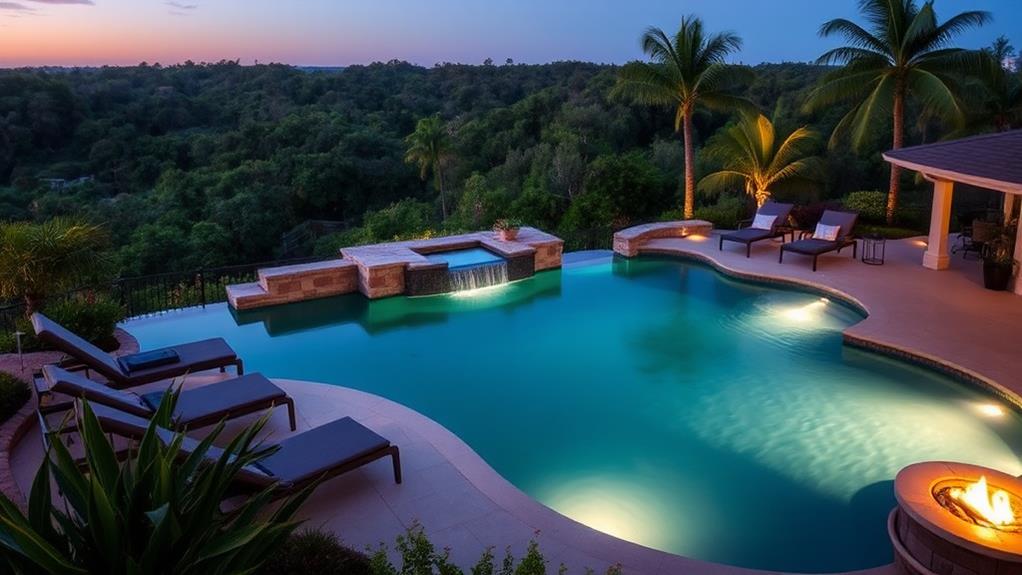
Water features and pools continue to be sought-after elements in outdoor living spaces, complementing the eco-friendly landscaping trends while offering aesthetic appeal and recreational value. Homeowners are increasingly opting for natural-looking designs that blend seamlessly with their surroundings. Infinity pools, with their visually striking edges, remain popular for their ability to create an illusion of endless water.
For those with limited space or budget, smaller water features like fountains, cascading waterfalls, and reflecting pools are gaining traction. These elements provide soothing sounds and visual interest without the maintenance requirements of full-sized pools. Eco-conscious homeowners are incorporating rainwater harvesting systems to feed their water features, reducing water consumption and utility costs.
In pool design, saltwater systems are becoming more prevalent due to their lower chemical usage and gentler effect on skin and eyes. LED lighting, automation systems, and energy-efficient pumps are also being integrated to enhance functionality and reduce operating costs. Additionally, pool covers are seeing increased adoption, not only for safety but also to minimize water evaporation and heat loss, aligning with the overall trend towards more sustainable outdoor living spaces.
Comfortable Outdoor Furniture
Comfort reigns supreme in the realm of outdoor furniture, as homeowners seek to create inviting spaces that rival their indoor living areas. The latest trends focus on durable, weather-resistant materials that don't compromise on style or coziness.
Deep-seating sofas and sectionals with plush cushions are gaining popularity, often featuring performance fabrics that resist fading, staining, and mildew.
Modular furniture sets offer versatility, allowing homeowners to reconfigure their outdoor spaces for different occasions. Oversized lounge chairs and daybeds provide luxurious relaxation spots, while lightweight, stackable options cater to those who need flexibility in their outdoor arrangements. Materials like all-weather wicker, powder-coated aluminum, and teak remain popular choices for their longevity and low maintenance.
Accessories play a crucial role in enhancing comfort. Outdoor rugs, throw pillows, and blankets add texture and warmth to seating areas. Shade solutions such as umbrellas, pergolas, and retractable awnings extend the usability of outdoor spaces by providing protection from the elements. As the lines between indoor and outdoor living continue to blur, furniture that seamlessly transitions between these spaces is becoming increasingly sought after.
Covered Patios and Pergolas
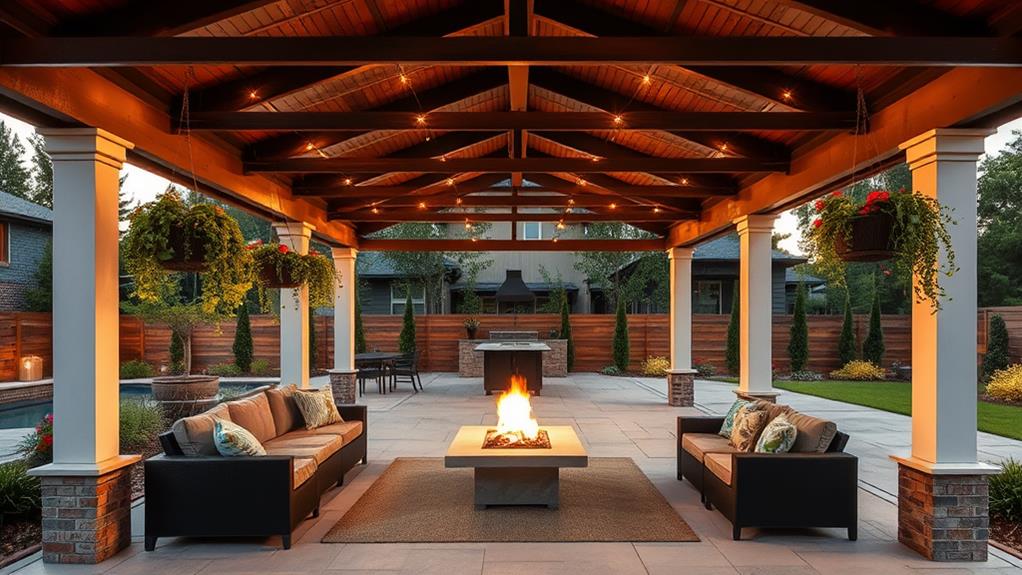
Covered patios and pergolas have become essential features in modern outdoor living spaces, offering a seamless transition between indoor and outdoor environments. These structures provide protection from the elements, allowing homeowners to enjoy their outdoor areas year-round. Covered patios extend the living space, creating an outdoor room that can be furnished with comfortable seating, dining areas, and even outdoor kitchens.
Pergolas, on the other hand, offer a more open-air experience while still providing partial shade and a defined space for relaxation or entertainment. They can be customized with retractable canopies or climbing plants for added shade and visual appeal. Both covered patios and pergolas can be designed to complement the home's architectural style, enhancing its overall aesthetic and increasing property value.
These structures also offer practical benefits, such as reducing energy costs by shading windows and doors from direct sunlight. Additionally, they create opportunities for outdoor lighting installations, further extending the usability of outdoor spaces into the evening hours. As homeowners continue to prioritize outdoor living, covered patios and pergolas remain at the forefront of popular home renovation trends.
Outdoor Entertainment Spaces
Beyond traditional patios and decks, outdoor entertainment spaces have evolved into fully-equipped areas designed for hosting gatherings and enjoying leisure activities. These spaces now often include outdoor kitchens, complete with built-in grills, refrigerators, and food preparation areas. Homeowners are increasingly incorporating bar setups, pizza ovens, and even full-service outdoor dining rooms to enhance their entertainment capabilities.
Audio-visual elements have become a popular addition, with weather-resistant televisions and sound systems allowing for movie nights or sports viewing parties under the stars. Fire features, such as fire pits or fireplaces, provide warmth and ambiance, extending the usability of these spaces into cooler months. Comfortable seating arrangements, including sectional sofas and lounge chairs, create inviting conversation areas.
Lighting plays a crucial role in outdoor entertainment spaces, with options ranging from string lights and lanterns to sophisticated landscape lighting systems. Many homeowners are also integrating smart home technology, allowing for automated control of lighting, audio, and climate features. These well-designed outdoor entertainment spaces effectively blur the lines between indoor and outdoor living, providing a seamless extension of the home's livable area.
Vertical Gardens and Living Walls
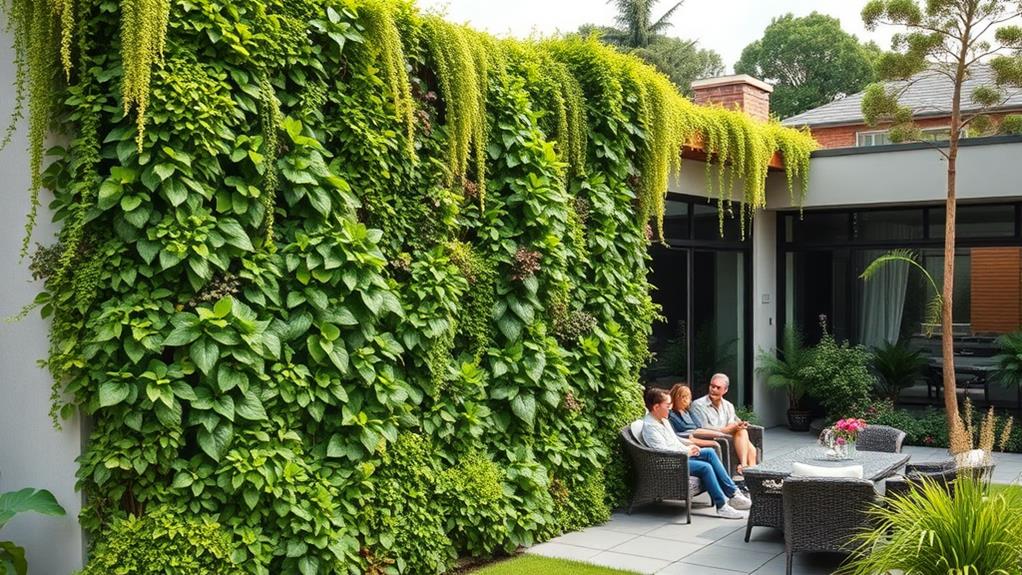
As urban spaces continue to shrink and environmental awareness grows, vertical gardens and living walls have emerged as innovative solutions for integrating greenery into limited areas. These living installations not only maximize space but also provide numerous benefits, including improved air quality, noise reduction, and enhanced aesthetics.
Vertical gardens can be created using a variety of systems, from simple hanging planters to complex hydroponic setups. Popular plant choices include ferns, succulents, and trailing vines, which thrive in vertical environments.
Living walls, on the other hand, are typically larger-scale installations that cover entire facades or interior walls, often incorporating automated irrigation systems for easy maintenance.
Homeowners are increasingly incorporating these green features into their outdoor living spaces, using them to create privacy screens, define outdoor rooms, or simply add a touch of nature to urban environments. Additionally, vertical gardens and living walls can contribute to energy efficiency by providing natural insulation and reducing the urban heat island effect. As sustainability becomes a key focus in home design, these green solutions are likely to gain even more popularity in the coming years.
Frequently Asked Questions
How Do Local Zoning Laws Affect Outdoor Renovation Projects?
Local zoning laws significantly impact outdoor renovation projects by regulating aspects such as structure size, setbacks, and permitted uses. Homeowners must obtain necessary permits and adhere to specific guidelines to ensure compliance with local ordinances before starting any work.
What's the Average Return on Investment for Major Outdoor Living Improvements?
Investigating the ROI of outdoor improvements reveals their true value. The average return on investment for major outdoor living improvements varies, but typically ranges from 60% to 80%, depending on the project's scope, location, and market conditions.
Are There Specific Insurance Considerations for Extensive Outdoor Living Spaces?
Insurance considerations for extensive outdoor living spaces typically include liability coverage, property protection for structures and fixtures, and potential adjustments to homeowners' policies. It's advisable to consult with an insurance agent to ensure adequate coverage for these areas.
How Do Outdoor Renovations Impact Property Taxes?
Like a ripple in a pond, outdoor renovations can impact property taxes. Generally, improvements that increase your home's value may lead to higher assessments. However, the specific impact varies by location and the extent of renovations.
What Are the Best Ways to Winterize Outdoor Living Areas?
To winterize outdoor living areas, focus on protective covers for furniture, proper drainage systems, and weatherproofing materials. Install outdoor heating solutions, use weather-resistant fabrics, and consider retractable awnings or enclosures. Regular maintenance and cleaning are also essential for longevity.
Conclusion
The outdoor living revolution has reached epic proportions, transforming backyards into awe-inspiring sanctuaries. From gourmet outdoor kitchens rivaling Michelin-starred restaurants to smart lighting systems that would make NASA envious, homeowners are pushing the boundaries of exterior design. With eco-friendly landscapes that could reverse climate change and entertainment spaces worthy of Hollywood parties, the line between indoors and outdoors has been gloriously obliterated. The future of home renovations lies beyond four walls, promising a new era of unparalleled outdoor luxury and functionality.