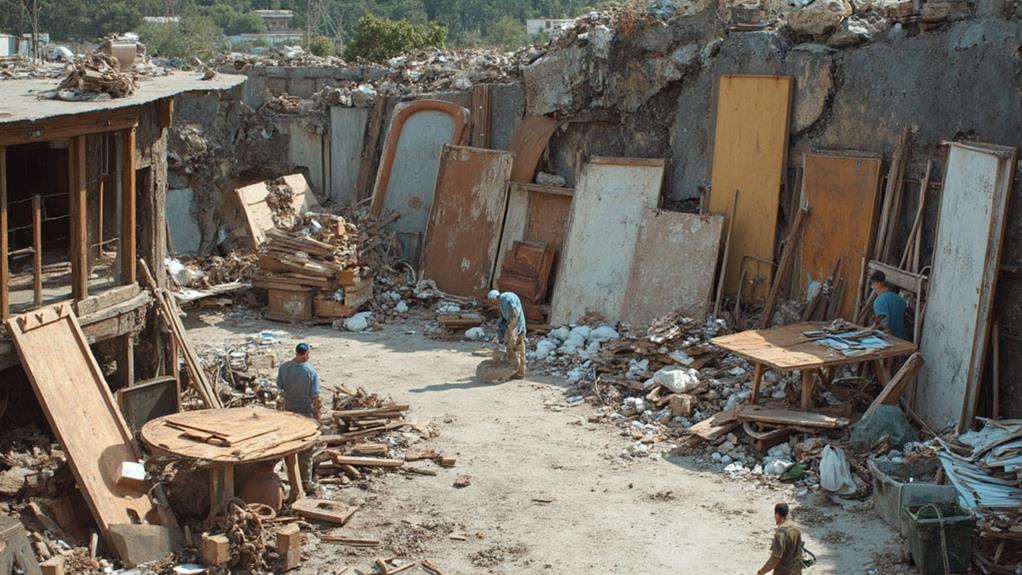


Managing renovation waste on a budget requires strategic planning and resourcefulness. Start by conducting a thorough assessment of materials and categorizing them into recyclable, reusable, and waste items. Sort and separate materials on-site to maximize recycling potential. Donate reusable items to local charities or thrift stores. Rent a dumpster strategically, considering size and timing to avoid unnecessary costs. Explore local recycling options and participate in collection events for hazardous materials. Get creative by repurposing materials for new projects or décor. Finally, consider selling valuable scrap materials to offset renovation expenses. Implementing these strategies can lead to significant cost savings and environmental benefits.
Plan Ahead for Waste Management
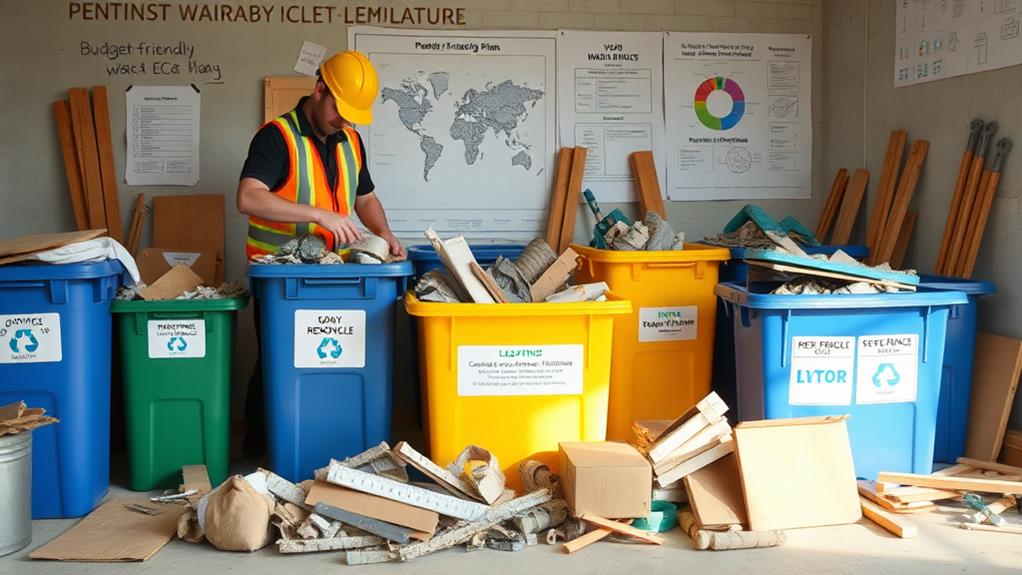
Nearly every renovation project generates waste, making it crucial to plan for proper disposal and recycling from the outset. Begin by conducting a thorough assessment of the materials that will be removed or replaced during the renovation. Categorize these materials into recyclable, reusable, and waste items. This inventory will help you estimate the volume of waste and determine the most cost-effective disposal methods.
Research local recycling facilities, donation centers, and waste management companies to identify affordable options for each category of materials. Consider renting a dumpster for large-scale projects, but compare prices and sizes to avoid overpaying. For smaller renovations, explore community drop-off sites or schedule bulk pickup services offered by your municipality.
Create a designated space on-site for sorting and storing different types of waste. This organization will streamline the disposal process and maximize recycling efforts. Train your team or family members on proper waste sorting procedures to ensure compliance throughout the project. By planning ahead, you can minimize disposal costs, reduce environmental impact, and potentially earn money by selling salvageable materials or receiving recycling rebates.
Sort and Separate Materials
With a solid waste management plan in place, the next step is to implement effective sorting and separation practices. Begin by designating specific areas on your renovation site for different types of materials. Common categories include wood, metal, drywall, plastics, and mixed debris. Clearly label each area to prevent confusion and ensure proper segregation.
Train your team on the importance of proper sorting and provide guidelines for identifying different materials. Encourage workers to separate waste as they go, rather than leaving it for the end of the day or project. This approach minimizes contamination and increases the likelihood of successful recycling.
Consider investing in color-coded containers or bags for easier identification and sorting. For smaller projects, use separate buckets or bins for different materials. Pay special attention to hazardous materials, such as asbestos or lead-based paint, which require specific handling and disposal methods.
Regularly inspect sorted materials to maintain quality control and prevent cross-contamination. If space is limited, prioritize separating high-value recyclables like metals or clean wood. By consistently sorting and separating materials, you'll maximize recycling potential and minimize disposal costs, ultimately benefiting your budget and the environment.
Donate Reusable Items
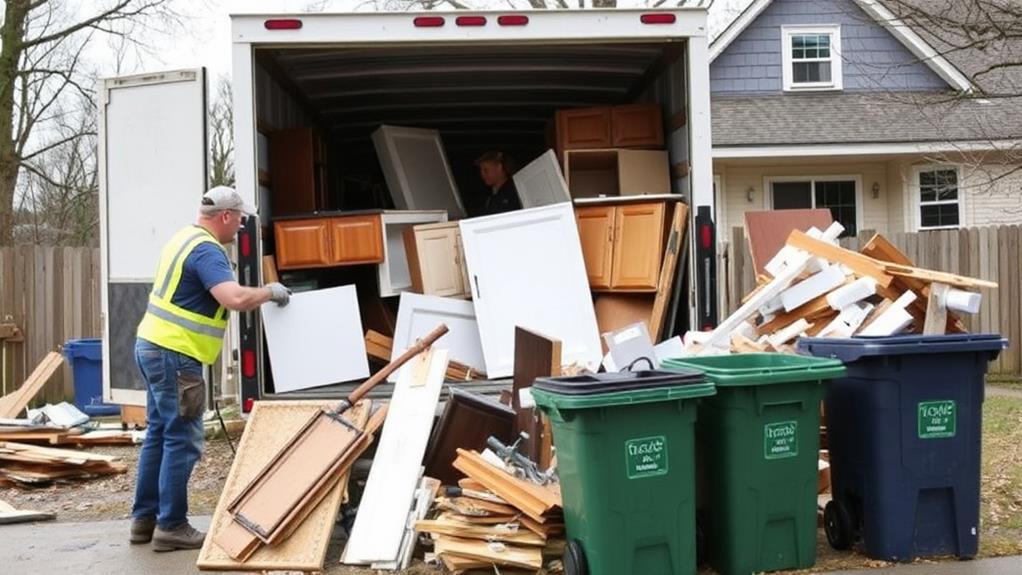
Renovation projects often yield salvageable materials that can find new life beyond the construction site. Donating these reusable items not only reduces waste but also helps those in need while potentially providing tax benefits. Many local charities, thrift stores, and non-profit organizations gladly accept gently used building materials, appliances, and fixtures.
Before discarding any items, assess their condition and potential value. Common donations include doors, windows, cabinets, light fixtures, and hardware. Habitat for Humanity's ReStore locations specialize in accepting and reselling building materials, making them an excellent option for larger donations. Some organizations even offer free pickup services for substantial contributions.
When donating, ensure items are clean, functional, and free from hazardous materials. Document your donations for tax purposes, obtaining receipts when possible. Consider posting usable items on online marketplaces or community boards for free pickup. This approach can save disposal costs while benefiting others. By prioritizing donation, you'll minimize landfill waste, support community initiatives, and potentially offset renovation expenses through tax deductions, all while staying within your budget constraints.
Rent a Dumpster Strategically
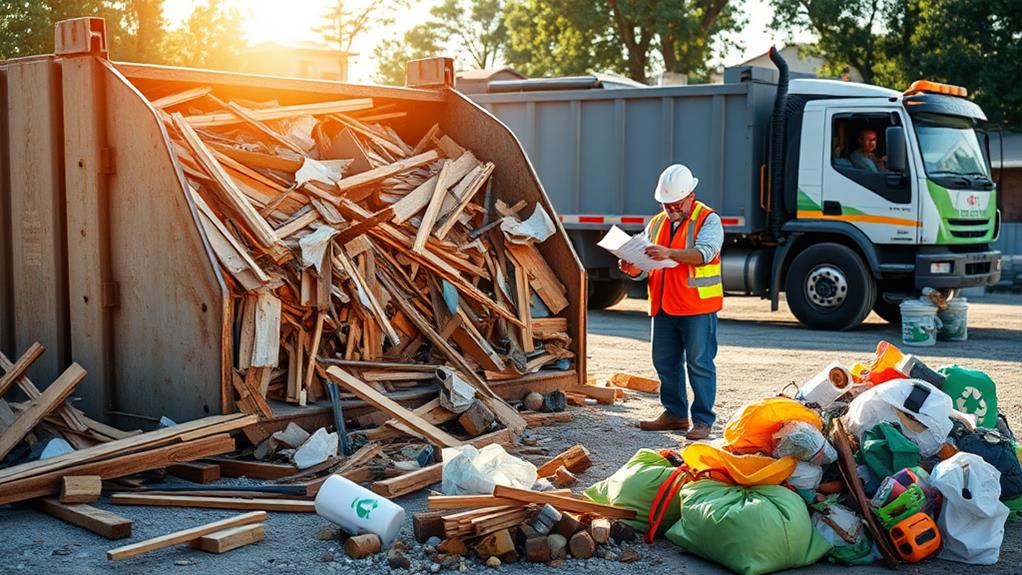
When faced with substantial renovation waste, how can you efficiently manage disposal while keeping costs in check? Renting a dumpster strategically can be a cost-effective solution for larger renovation projects. To maximize value, carefully plan your dumpster rental timeline to coincide with peak waste generation periods.
Start by accurately estimating the volume of waste your project will produce. Choose an appropriate dumpster size to avoid overpaying for unused space or incurring additional fees for overflow. Many companies offer various sizes, from 10 to 40 cubic yards, allowing you to select the most suitable option.
Consider renting a dumpster for shorter periods during critical stages of your renovation rather than for the entire project duration. This approach can significantly reduce rental costs. Additionally, explore different rental companies to compare prices, policies, and potential discounts for longer-term rentals.
Be mindful of weight limits and prohibited items to avoid extra charges. Sort your waste beforehand, separating recyclables and materials that can't be disposed of in dumpsters. This practice not only ensures compliance but can also lead to potential cost savings through reduced disposal fees.
Explore Local Recycling Options
Delve into your local recycling infrastructure to uncover cost-effective disposal options for renovation waste. Research municipal recycling programs, which often accept various materials at no charge. Many cities offer separate collection services for items like cardboard, metal, and glass, reducing the volume of waste destined for landfills.
Investigate local scrap yards and salvage centers that may purchase or accept certain materials for free. Metal components, such as copper wiring and aluminum siding, can often be sold for a small profit. Some facilities specialize in construction and demolition waste, providing targeted recycling solutions for common renovation materials.
Consider contacting nearby manufacturers or artisans who might repurpose your waste materials. Wood scraps, for instance, could be valuable to furniture makers or craft enthusiasts. Explore online platforms and community forums to connect with individuals or organizations interested in reclaiming usable items from your renovation project.
For hazardous materials like paint or chemicals, check with your local government or waste management company for specific disposal guidelines and potential recycling options. Many areas offer periodic collection events for these items, ensuring proper handling while minimizing environmental impact and costs.
Repurpose Materials Creatively
Numerous renovation materials can find new life through creative repurposing, simultaneously reducing waste and cutting costs. Old doors can be transformed into unique headboards or rustic dining tables, while reclaimed wood from demolished structures can be used for accent walls, shelving, or custom furniture pieces. Broken tiles and ceramics can be repurposed into eye-catching mosaic art or used to create decorative garden stepping stones.
Outdated light fixtures can be disassembled and repurposed as industrial-style planters or candle holders. Excess bricks or concrete blocks can be utilized to build raised garden beds or outdoor seating areas. Windows can be repurposed as picture frames or greenhouse panels. Even seemingly useless materials like sawdust can find new purpose as compost or mulch for landscaping projects.
Sell Valuable Scrap Materials
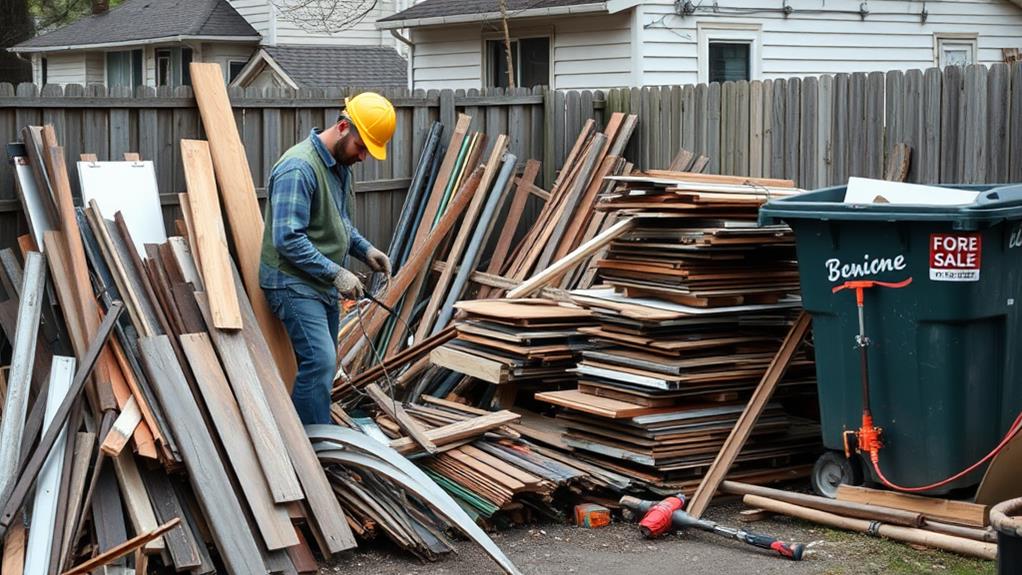
Selling valuable scrap materials can significantly offset renovation costs while reducing waste. During a renovation project, various materials can be salvaged and sold to scrap yards or recycling centers. Common valuable scrap items include copper wiring, brass fixtures, aluminum siding, and steel pipes.
Before disposing of any materials, research local scrap prices and identify reputable buyers. Separate materials by type to maximize their value, as mixed loads often fetch lower prices. Clean and prepare items to ensure the best possible return. For metals, remove non-metallic components and sort by type (e.g., copper, brass, aluminum).
Consider selling larger items, such as appliances or intact fixtures, through online marketplaces or to salvage companies. These often yield higher returns than scrap value alone. For specialized materials like antique hardware or vintage tiles, seek out architectural salvage dealers who may offer premium prices.
Keep accurate records of all sales for tax purposes and to track your waste reduction efforts. By selling scrap materials, you not only recover some renovation costs but also contribute to the circular economy by ensuring these resources are recycled and reused.
Frequently Asked Questions
How Can I Estimate the Amount of Waste My Renovation Project Will Generate?
To estimate renovation waste, consider project scope, materials used, and square footage. Consult industry waste calculators, factor in demolition debris, and account for packaging. Consult contractors or waste management professionals for more accurate projections based on your specific project.
Are There Any Hazardous Materials I Should Be Aware of During Renovation?
During renovation, be aware of potential hazardous materials such as asbestos, lead-based paint, mold, and certain chemicals. These substances can pose health risks if disturbed or improperly handled. Always consult professionals for proper identification and safe removal procedures.
What Permits Do I Need for Disposing of Renovation Waste?
According to the EPA, construction and demolition debris accounts for 23% of landfill waste. Permits for disposing of renovation waste vary by locality. Generally, you'll need a dumpster permit and potentially special permits for hazardous materials like asbestos or lead-based paint.
How Can I Minimize Dust and Debris During the Renovation Process?
To minimize dust and debris during renovation, use plastic sheeting to seal off work areas, employ air purifiers, utilize vacuum-equipped power tools, mist surfaces before sanding, and clean up regularly. Implement proper ventilation and wear protective gear for safety.
What Are the Best Practices for Storing Renovation Materials Before Disposal?
To store renovation materials before disposal, use labeled containers for different materials, keep them in a dry area, cover outdoor piles to prevent weathering, and separate hazardous materials. Consider renting a temporary storage unit for larger items.
Conclusion
Effective waste management during renovations is crucial for environmental sustainability and cost-efficiency. By implementing strategic planning, material sorting, and exploring recycling options, homeowners can significantly reduce landfill contributions. Donating reusable items and repurposing materials creatively not only saves money but also breathes new life into old resources. While managing renovation waste may seem like a Herculean task, these budget-friendly approaches demonstrate that with careful consideration and effort, it is possible to renovate responsibly without breaking the bank.