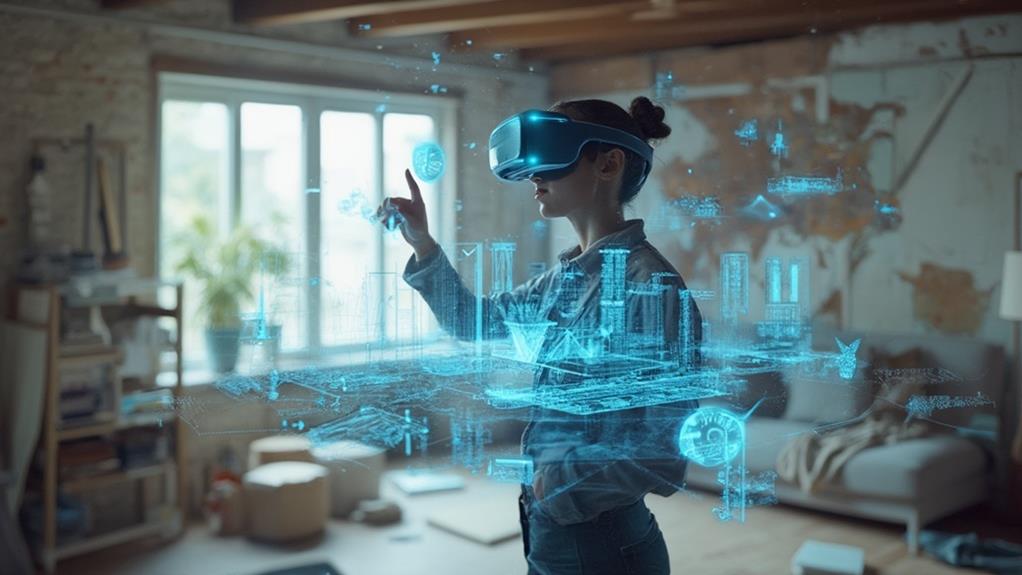


Virtual reality (VR) is transforming renovation planning and budgeting by offering immersive, interactive experiences. This technology enables homeowners and contractors to explore realistic 3D models of proposed designs, enhancing spatial understanding and material selection. VR-assisted planning streamlines decision-making, reduces costly mistakes, and improves project outcomes. By visualizing changes before physical work begins, users can identify potential issues, estimate materials more accurately, and optimize costs. The integration of VR in renovation projects facilitates better communication among team members and allows for rapid design iterations. As VR technology continues to evolve, its role in construction and renovation will become increasingly significant.
Understanding VR in Home Renovations
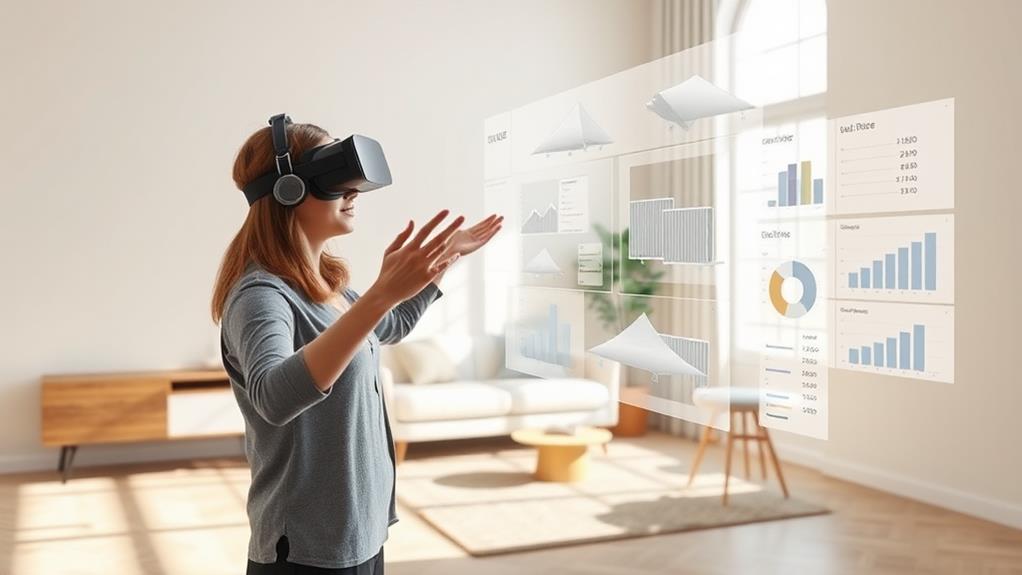
In the realm of home renovations, Virtual Reality (VR) technology has emerged as a powerful tool for planning and visualization. This immersive technology allows homeowners and designers to create realistic 3D models of renovation projects, enabling them to explore and interact with proposed designs before any physical work begins.
VR in home renovations offers a comprehensive understanding of spatial relationships, color schemes, and material choices, significantly reducing the risk of costly mistakes or dissatisfaction with the final result.
Benefits of VR-Assisted Planning
The adoption of VR-assisted planning in home renovations offers numerous advantages for homeowners, designers, and contractors alike. This technology enables a more accurate visualization of proposed changes, allowing stakeholders to make informed decisions before committing to physical alterations. VR simulations provide a realistic, immersive experience that helps clients better understand spatial relationships and design concepts, reducing the likelihood of costly modifications during construction.
For designers, VR tools streamline the creative process by facilitating rapid prototyping and iteration. Changes can be implemented and viewed in real-time, enhancing collaboration between designers and clients.
Contractors benefit from improved project planning and resource allocation, as VR models can highlight potential construction challenges before work begins. This foresight minimizes unexpected issues and delays, ultimately leading to more efficient project execution.
VR-assisted planning also contributes to cost savings by reducing the need for physical mock-ups and samples. Virtual material libraries allow for easy comparison of finishes and textures, enabling more precise budgeting. Additionally, VR presentations can enhance marketing efforts for renovation businesses, offering potential clients a compelling preview of their services and capabilities.
Cost Reduction Through Virtual Visualization
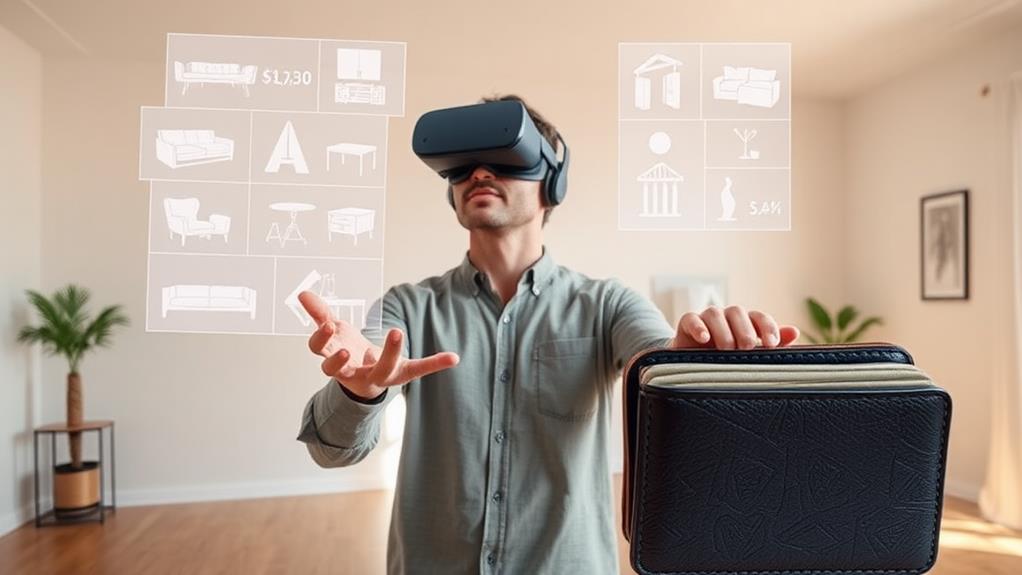
Virtual visualization in renovation planning offers significant potential for cost reduction across various aspects of the project. By creating detailed 3D models and immersive environments, stakeholders can identify potential issues and make informed decisions before physical work begins. This proactive approach minimizes costly on-site changes and rework, ultimately saving both time and money.
VR technology enables precise material estimation, reducing waste and overordering. Clients and contractors can virtually explore different finishes, fixtures, and design elements, making cost-effective choices without the need for physical samples or mock-ups. This streamlined selection process cuts down on expenses associated with traditional showroom visits and material transportation.
Furthermore, virtual walkthroughs allow for early detection of spatial conflicts or design flaws that might otherwise go unnoticed until construction. By addressing these issues in the virtual environment, renovators can avoid expensive modifications during the build phase. VR also facilitates better communication among team members, reducing misunderstandings that could lead to costly mistakes. Overall, the implementation of virtual visualization in renovation planning can lead to substantial cost savings through improved efficiency, accuracy, and decision-making throughout the project lifecycle.
Implementing VR in Renovation Projects
Successful implementation of VR in renovation projects requires careful planning and a strategic approach. Begin by selecting the appropriate VR hardware and software that align with project requirements and budget constraints. Train key team members on VR technology usage and establish protocols for data input and model creation.
Integrate VR into the existing workflow by incorporating 3D modeling and BIM practices. Create detailed virtual representations of the renovation space, including accurate measurements, textures, and lighting conditions. Develop a library of virtual materials and fixtures that can be easily swapped within the VR environment.
Establish regular VR review sessions with stakeholders to facilitate collaborative decision-making. Use these sessions to explore design options, identify potential issues, and refine plans in real-time. Implement version control systems to track changes and maintain a clear record of design evolution.
Leverage VR for client presentations and approvals, allowing stakeholders to experience the proposed renovations before physical work begins. This approach can significantly reduce misunderstandings and change orders during the construction phase. Finally, continuously evaluate and refine the VR implementation process to maximize its effectiveness in future renovation projects.
Future of VR in Construction
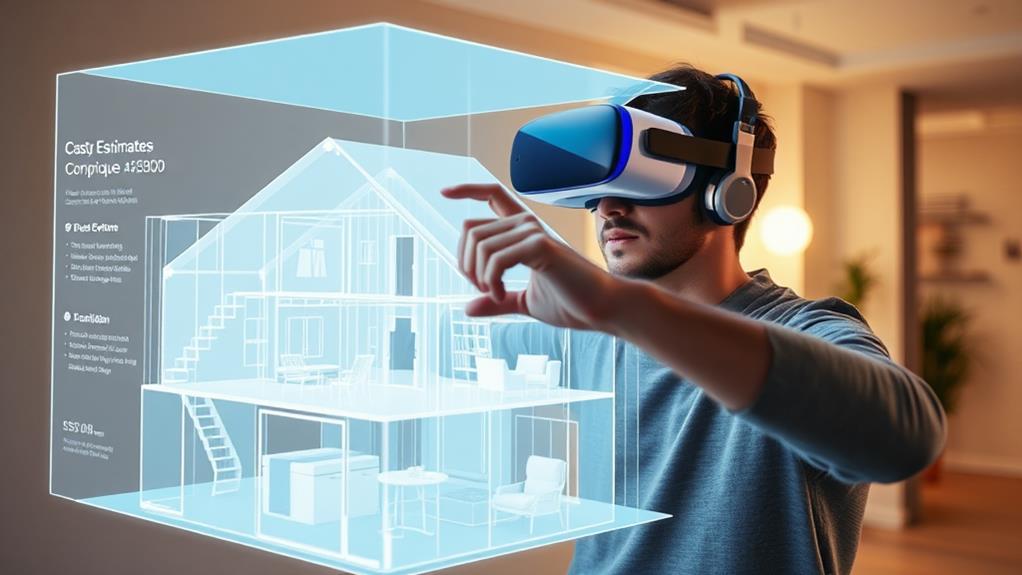
Innovation in virtual reality technology continues to reshape the construction industry, paving the way for transformative advancements in project planning, execution, and management. As VR systems become more sophisticated and accessible, their integration into construction processes is expected to accelerate.
Future applications will likely include real-time collaboration between remote teams, allowing stakeholders to interact with 3D models simultaneously regardless of location.
Advanced haptic feedback systems may enable users to experience tactile sensations when interacting with virtual environments, enhancing the realism of simulations. AI-powered VR assistants could provide on-demand guidance and analysis, offering instant solutions to complex design and engineering challenges.
The integration of Internet of Things (IoT) devices with VR platforms may allow for real-time monitoring and adjustment of construction progress, optimizing resource allocation and scheduling.
As VR technology evolves, it is anticipated to play a crucial role in training and safety protocols, creating immersive scenarios for workers to practice skills and procedures without risk. This shift towards virtual environments will likely lead to increased efficiency, reduced costs, and improved safety standards across the construction industry.
Frequently Asked Questions
Can VR Technology Be Used for Outdoor Landscaping Projects?
Yes, VR technology can be effectively utilized for outdoor landscaping projects. It allows designers and clients to visualize proposed changes, experiment with different layouts, and assess the impact of various plant selections before implementation, enhancing decision-making and project planning.
How Long Does It Typically Take to Create a VR Model?
Creating captivating VR models can consume considerable time, typically taking several days to several weeks. Factors affecting duration include project complexity, desired detail level, available resources, and the modeler's expertise. Simpler scenes may be completed more quickly.
Are There Any Health Concerns Associated With Prolonged VR Use?
Prolonged VR use can potentially cause eye strain, headaches, nausea, and disorientation. Some users may experience "cybersickness." It's recommended to take regular breaks, maintain proper posture, and ensure a well-ventilated environment to mitigate these health concerns.
Can VR Simulations Accurately Represent Textures and Material Finishes?
Modern VR simulations can accurately represent textures and material finishes with high fidelity. Advanced rendering techniques, high-resolution displays, and haptic feedback contribute to realistic representations of surfaces, allowing users to visualize and virtually interact with various materials effectively.
Are There VR Applications Specifically Designed for DIY Home Renovators?
Yes, several VR applications cater to DIY home renovators. These tools allow users to visualize and plan renovations, experiment with designs, and estimate costs. Popular options include Houzz, Roomle, and IKEA Place, offering immersive experiences for homeowners.
Conclusion
Virtual reality stands as a transformative force in renovation planning and budgeting, akin to a crystal ball revealing future possibilities. By offering immersive visualization, cost reduction, and enhanced decision-making, VR streamlines the renovation process. As technology advances, the integration of VR in construction projects is poised to become increasingly prevalent. This evolution promises to revolutionize the industry, fostering more efficient, cost-effective, and satisfying renovation experiences for homeowners and professionals alike.