


Effective noise reduction in home renovations requires strategic planning and budgeting to maximize impact while minimizing costs. Start by assessing your specific noise issues and prioritizing areas that need the most attention. Focus on cost-effective solutions like weatherstripping, acoustic panels, and targeted insulation. When addressing windows and doors, consider options like double-pane glass and solid core doors. For flooring, explore materials with built-in sound-dampening properties. Weigh the pros and cons of DIY versus professional installation based on your skills and budget. By carefully managing your renovation budget, you can significantly improve your home's acoustics and overall comfort.
Assessing Your Noise Issues
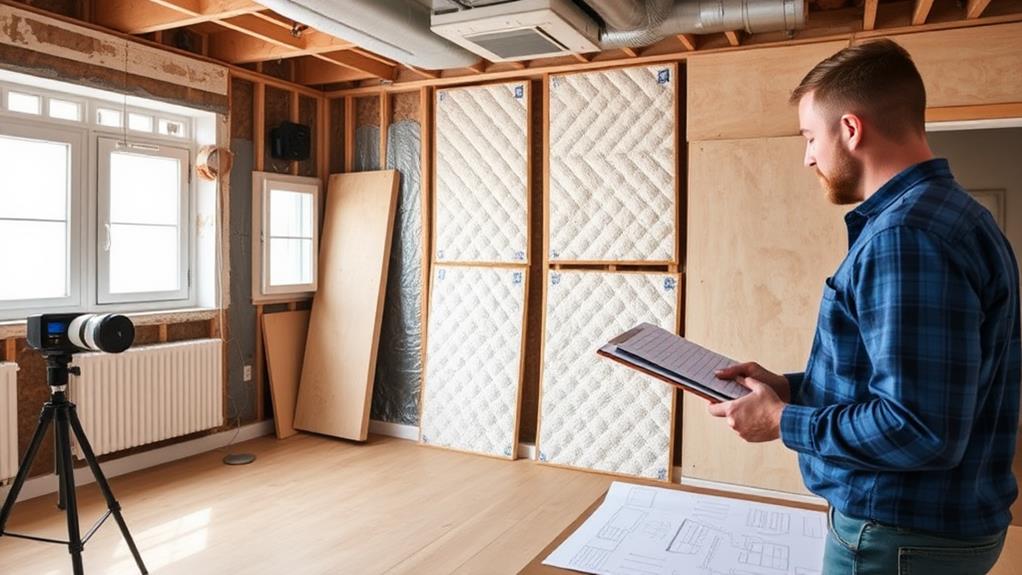
Before embarking on a noise reduction project, conducting a thorough assessment of your specific noise issues is crucial. Begin by identifying the primary sources of noise in your space, whether they're external (traffic, neighbors) or internal (HVAC systems, appliances). Use a decibel meter to measure noise levels at different times of day and in various locations throughout your property.
Next, evaluate the existing sound insulation in your walls, floors, and ceilings. Look for gaps, cracks, or thin areas that may be allowing sound to penetrate. Consider the materials used in your current construction and their sound transmission class (STC) ratings.
Analyze your living patterns and determine which areas require the most noise reduction. For instance, bedrooms and home offices may need more attention than storage spaces. Additionally, assess any local regulations or building codes that may impact your renovation plans.
Prioritizing Sound-Dampening Projects
With a clear understanding of your noise issues, the next step is to prioritize your sound-dampening projects. Consider the severity of each noise problem and its impact on your daily life.
Focus on areas where you spend the most time, such as bedrooms and living spaces. Address external noise sources first, as these are often the most disruptive and challenging to control.
Evaluate the cost-effectiveness of each potential project. Some solutions, like weatherstripping doors and windows, are relatively inexpensive and can yield significant results.
Others, such as installing soundproof windows or adding mass-loaded vinyl to walls, may require a larger investment but provide more comprehensive noise reduction.
Consider the feasibility of each project within your renovation timeline and budget. Some sound-dampening measures, like adding insulation, can be easily incorporated into existing renovation plans.
Others may require standalone projects and additional labor costs.
Prioritize projects that offer multiple benefits. For example, upgrading to energy-efficient windows can improve both sound insulation and thermal efficiency.
Cost-Effective Insulation Solutions
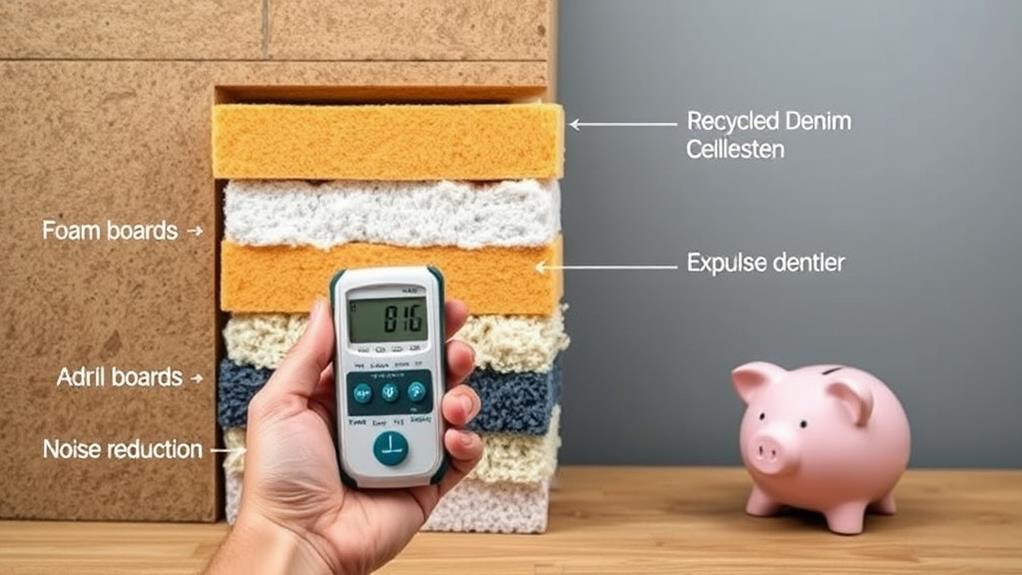
Three cost-effective insulation solutions can significantly reduce noise transmission while fitting within a tight renovation budget. First, acoustic foam panels offer an affordable option for absorbing sound waves. These lightweight, easy-to-install panels can be strategically placed on walls or ceilings to minimize echo and reverberation in rooms.
Second, weatherstripping doors and windows is a simple yet effective method to reduce noise infiltration. This inexpensive solution involves sealing gaps around openings, preventing sound from entering or escaping through small cracks. High-quality weatherstripping materials are durable and can be easily applied without professional assistance.
Third, Mass Loaded Vinyl (MLV) is a versatile and cost-effective soundproofing material. This thin, dense sheet can be installed behind drywall, under flooring, or wrapped around pipes to block sound transmission. MLV is particularly effective for reducing low-frequency noise and can be combined with other insulation materials for enhanced performance.
When implementing these solutions, consider targeting areas where noise is most problematic, such as shared walls, floors, or ceilings. By focusing on these key areas, homeowners can maximize the impact of their noise reduction efforts while maintaining a reasonable renovation budget.
Soundproofing Windows and Doors
Windows and doors are common weak points in a home's soundproofing system, often allowing unwanted noise to penetrate living spaces. Addressing these areas can significantly improve overall noise reduction without breaking the bank.
For windows, consider installing double-pane or laminated glass, which provides better sound insulation than single-pane alternatives. Alternatively, add soundproof curtains or cellular shades to absorb noise.
For doors, focus on sealing gaps and improving mass. Install weatherstripping around door frames and use door sweeps to close the gap between the door and the floor. Solid core doors offer better sound insulation than hollow core options. If budget allows, consider installing storm doors for an additional sound barrier.
To maximize effectiveness, combine multiple strategies. For instance, pair double-pane windows with soundproof curtains, or use both weatherstripping and a solid core door. Remember that proper installation is crucial for optimal performance. While professional installation may increase upfront costs, it ensures long-term effectiveness and can prevent costly mistakes. When budgeting, prioritize areas most affected by external noise to achieve the best return on investment in your noise reduction efforts.
Flooring Options for Noise Reduction
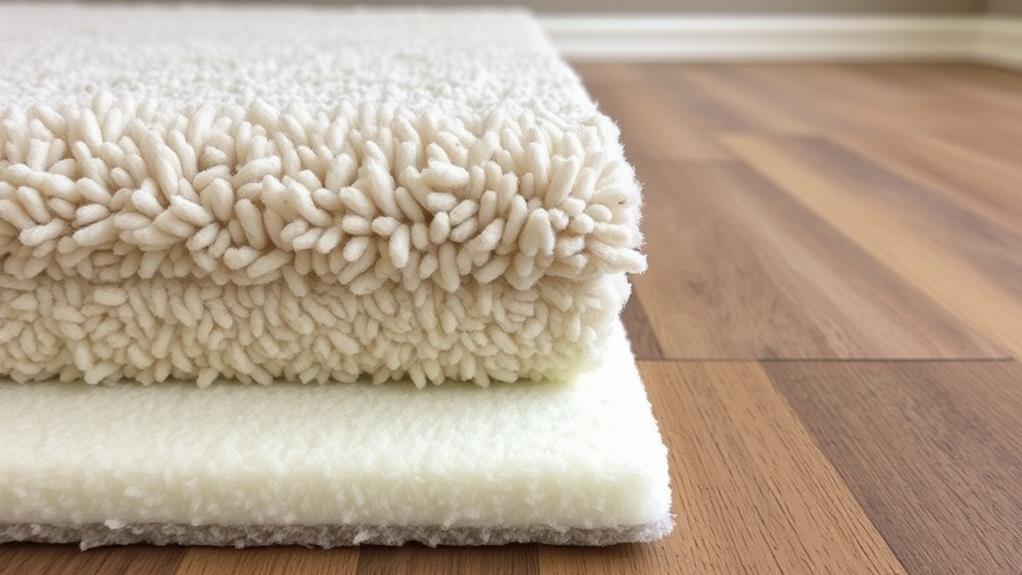
Choosing the right flooring can significantly impact noise reduction in a home renovation project. When considering options, carpeting remains one of the most effective noise-dampening materials. Its soft, fibrous structure absorbs sound waves, reducing both impact noise and airborne sound.
For those preferring hard surfaces, cork flooring offers an excellent alternative. Cork's natural cellular composition provides superior sound insulation while maintaining durability and aesthetics.
Engineered hardwood with an underlayment can also effectively reduce noise transmission. The underlayment acts as a barrier, minimizing impact sound and vibrations. Luxury vinyl plank (LVP) flooring, when installed with a high-quality acoustic underlayment, can provide substantial noise reduction benefits.
For concrete subfloors, consider using a floating floor system, which creates an air gap between the subfloor and the finished surface, further enhancing sound insulation.
In multi-story buildings, mass-loaded vinyl or rubber underlayments can be particularly effective in reducing noise transfer between floors. When selecting flooring for noise reduction, it's crucial to consider not only the material itself but also the installation method and subfloor preparation to maximize acoustic performance.
DIY Vs Professional Installation
When considering noise reduction strategies in a renovation project, the decision between DIY installation and professional services is crucial. This choice can significantly impact both the effectiveness of noise reduction measures and the overall budget.
DIY installation offers potential cost savings, allowing homeowners to allocate more funds towards high-quality materials. It provides flexibility in scheduling and the satisfaction of personal involvement. However, DIY approaches require substantial time investment, research, and skill development. Mistakes can be costly and may compromise the effectiveness of noise reduction efforts.
Professional installation, while more expensive upfront, ensures expert implementation of noise reduction techniques. Professionals bring specialized knowledge, experience, and access to advanced tools and materials. They can identify and address potential issues that may not be apparent to homeowners. Professional work often comes with warranties, providing peace of mind and potential long-term cost savings.
The choice between DIY and professional installation depends on factors such as project complexity, available time, budget constraints, and personal skill level. For critical noise reduction elements or complex installations, professional services may offer the best value, ensuring optimal results and potentially avoiding costly errors.
Financing Your Noise Reduction Renovations

Financing noise reduction renovations can be a significant challenge for many homeowners. However, several options are available to help fund these important home improvements.
One common approach is to use a home equity loan or line of credit, which allows homeowners to borrow against the value of their property. These loans often offer competitive interest rates and may provide tax benefits.
Another option is to explore personal loans from banks or credit unions. While these typically have higher interest rates than home equity loans, they can be a good choice for those who don't have sufficient home equity or prefer not to use their property as collateral. Some homeowners may also consider credit cards with introductory 0% APR offers for smaller projects.
For energy-efficient noise reduction upgrades, homeowners can look into specialized financing programs such as the FHA's Energy Efficient Mortgage or PACE (Property Assessed Clean Energy) financing. Additionally, some local governments and utility companies offer rebates or low-interest loans for specific noise reduction improvements. It's essential to research and compare these options carefully, considering factors such as interest rates, repayment terms, and potential long-term savings on energy bills.
Frequently Asked Questions
How Long Does a Typical Noise Reduction Renovation Project Take to Complete?
The duration of a typical noise reduction renovation project varies depending on the scope and complexity. Small-scale efforts may take a few days, while comprehensive soundproofing of an entire home can extend to several weeks or even months.
Can Noise Reduction Renovations Increase the Value of My Property?
Noise reduction renovations can indeed increase property value. Improved soundproofing enhances comfort and livability, making the property more attractive to potential buyers or renters. This added appeal can translate into higher resale or rental values.
Are There Any Health Benefits Associated With Reducing Noise in Living Spaces?
Yes, reducing noise in living spaces offers significant health benefits. It can lower stress levels, improve sleep quality, enhance cognitive function, reduce the risk of cardiovascular issues, and promote overall mental well-being and improved quality of life.
What Are the Maintenance Requirements for Noise Reduction Installations?
Maintenance requirements for noise reduction installations typically include periodic inspection, cleaning, and potential replacement of components. Regular checks for air leaks, material degradation, and proper sealing are essential. Some systems may require professional servicing to maintain optimal performance over time.
How Do I Measure the Effectiveness of Noise Reduction Efforts After Completion?
Like a symphony conductor fine-tuning an orchestra, measure noise reduction effectiveness by conducting before-and-after sound level tests using a decibel meter. Compare results, assess perceived noise reduction, and gather occupant feedback to evaluate the success of your efforts.
Conclusion
Effective noise reduction in home renovations requires careful planning and budgeting. Prioritizing projects based on their impact and cost-effectiveness can yield significant improvements in acoustic comfort. Interestingly, studies have shown that proper soundproofing can increase property values by up to 10%. By considering various options from insulation to flooring and weighing DIY versus professional installation, homeowners can achieve optimal noise reduction within their budget constraints. Financing options can further assist in realizing these valuable home improvements.