


Effective management of multiple subcontractors in a renovation project requires clear communication and organization. Start by establishing detailed contracts and expectations for each subcontractor. Implement a centralized communication system and create a comprehensive project schedule. Regular progress meetings help maintain alignment and address issues promptly. Implement quality control checkpoints and coordinate material deliveries efficiently. Prioritize site safety and handle payment processes systematically. When conflicts arise, address them swiftly to maintain project momentum. By focusing on these key strategies, you'll be better equipped to navigate the complexities of managing multiple subcontractors and ensure a successful renovation project. The following sections provide deeper insights into each of these crucial aspects.
Clear Contracts and Expectations
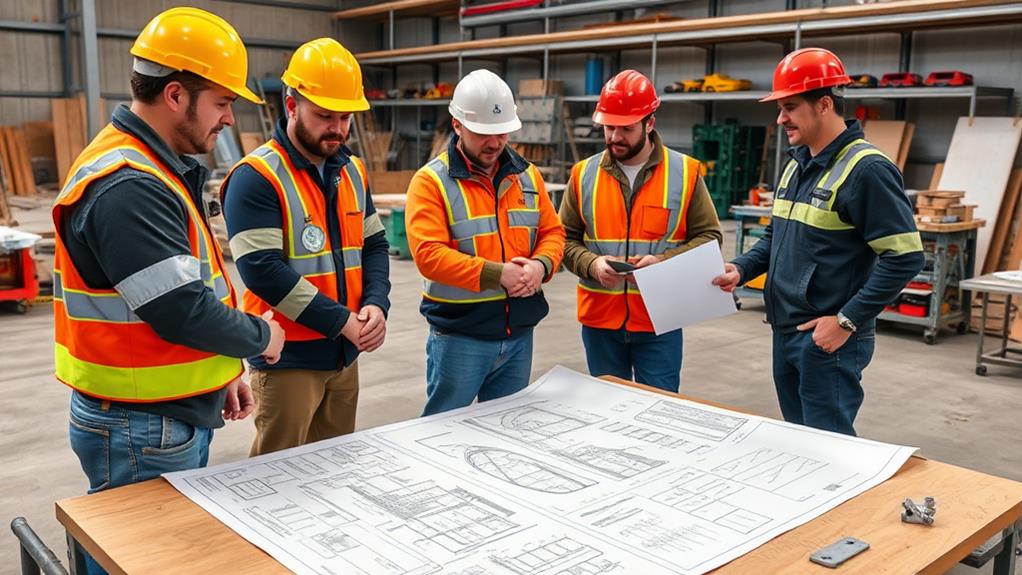
When it comes to managing multiple subcontractors, clear contracts and expectations form the foundation of successful project coordination. Detailed, well-structured contracts serve as roadmaps for each subcontractor's role, responsibilities, and deliverables. These documents should outline specific tasks, timelines, quality standards, and payment terms, leaving no room for ambiguity.
Establish clear communication channels and reporting protocols from the outset. Define how and when subcontractors should provide updates, submit reports, or escalate issues. Set expectations for attendance at project meetings and site visits to ensure everyone remains aligned with project goals.
Implement a comprehensive onboarding process for each subcontractor, familiarizing them with project-specific requirements, safety protocols, and collaboration expectations. This process should include a thorough review of contract terms and project schedules.
Create a centralized document repository accessible to all subcontractors, containing relevant project information, drawings, and specifications. This ensures everyone works from the same, up-to-date information, reducing misunderstandings and conflicts.
Regularly reinforce expectations through consistent communication and periodic performance reviews. Address any deviations from agreed-upon terms promptly to maintain project momentum and foster a culture of accountability among all subcontractors.
Establish a Communication System
Building upon the foundation of clear contracts and expectations, an effective communication system is the next key element in managing multiple subcontractors. Implement a centralized platform for information sharing, such as project management software or a dedicated messaging app. This ensures all parties have access to the latest updates, schedules, and documentation.
Establish a hierarchy of communication channels, designating specific methods for urgent matters versus routine updates. Regular check-ins, whether daily or weekly, keep everyone aligned on project progress and potential issues. Encourage open dialogue among subcontractors to foster collaboration and problem-solving.
Implement a standardized reporting system for progress updates, change orders, and potential delays. This streamlines information flow and helps identify bottlenecks or conflicts early. Designate a point person for each subcontractor team to simplify communication chains and reduce confusion.
Create a shared calendar for deadlines, inspections, and deliveries to help coordinate activities across different trades. Utilize visual aids like progress charts or digital dashboards to provide at-a-glance status updates. By maintaining clear, consistent, and timely communication, you can effectively orchestrate the complex dance of multiple subcontractors working towards a common goal.
Create a Detailed Project Schedule
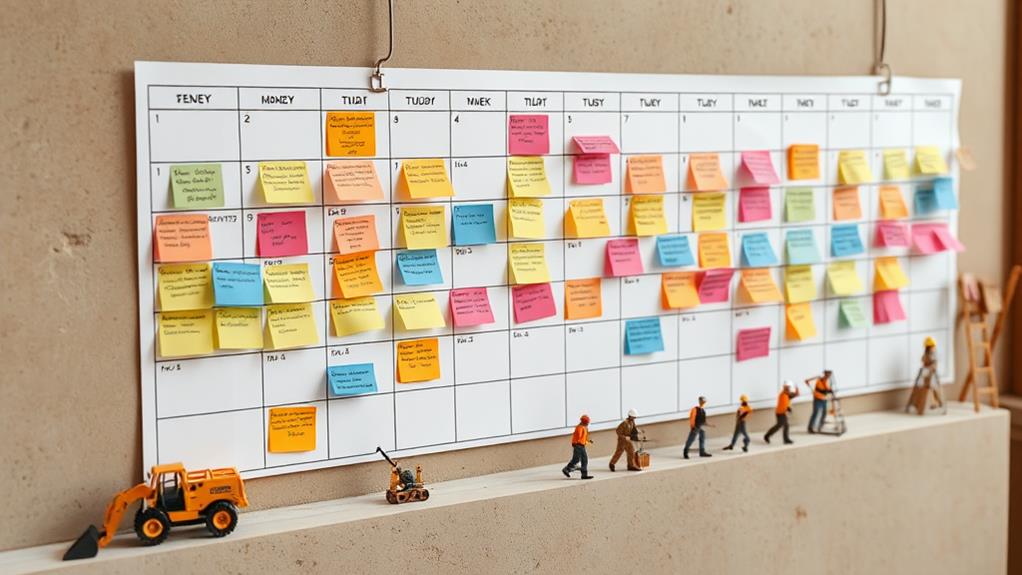
With a solid communication system in place, creating a detailed project schedule becomes the next crucial step in managing multiple subcontractors. This comprehensive timeline serves as a roadmap for the entire renovation project, outlining each task, its duration, and the responsible subcontractor.
Begin by breaking down the project into specific phases and identifying critical milestones. Assign realistic start and end dates for each task, considering potential dependencies and overlaps between different subcontractors' work.
When developing the schedule, involve your subcontractors to gain insights into their availability and workflow requirements. This collaborative approach ensures buy-in and increases the likelihood of adherence to deadlines. Utilize project management software to create a visual representation of the schedule, such as a Gantt chart, which clearly illustrates task sequences and durations.
Include buffer time for unexpected delays or complications, as renovations often encounter unforeseen challenges. Regularly update and distribute the schedule to all stakeholders, highlighting any changes or adjustments. This proactive approach helps maintain transparency and allows subcontractors to plan their work effectively, ultimately contributing to a smoother renovation process and timely project completion.
Implement Regular Progress Meetings
Regular progress meetings serve as the linchpin for effective subcontractor management, complementing the detailed project schedule. These meetings provide a structured forum for communication, coordination, and problem-solving among all parties involved in the renovation project. Establish a consistent schedule for these meetings, whether weekly or bi-weekly, to maintain project momentum and address issues promptly.
During progress meetings, review the project timeline, discuss completed tasks, and outline upcoming work. Encourage subcontractors to report on their progress, challenges, and resource needs. This open dialogue fosters accountability and helps identify potential conflicts or bottlenecks before they escalate. Use this time to address any deviations from the project schedule and collaboratively develop solutions.
Implementing a standardized agenda ensures that all critical topics are covered efficiently. Include sections for safety updates, quality control, budget discussions, and coordination between different trades. Document meeting minutes and distribute them promptly to all attendees, highlighting action items and responsibilities. Regular progress meetings not only keep the project on track but also build stronger working relationships among subcontractors, ultimately contributing to a more successful renovation outcome.
Quality Control Checkpoints

Throughout the renovation process, establishing quality control checkpoints is crucial for maintaining high standards and ensuring that work meets or exceeds project specifications. These checkpoints serve as critical junctures where progress is evaluated, and potential issues are identified and addressed before they escalate.
To implement effective quality control checkpoints, begin by clearly defining expectations and standards for each phase of the project. Create a detailed checklist for each checkpoint, outlining specific criteria that must be met before work can proceed. Schedule regular inspections at predetermined milestones, involving both the project manager and relevant subcontractors. During these inspections, thoroughly assess workmanship, materials used, and adherence to building codes and project specifications.
Document findings meticulously, including photographs and written reports. If discrepancies are found, communicate them clearly to the responsible subcontractor and establish a timeline for rectification. Follow up promptly to ensure corrections are made satisfactorily. By consistently enforcing these quality control measures, you maintain accountability among subcontractors, minimize rework, and ultimately deliver a higher-quality end product. This approach not only ensures client satisfaction but also protects your reputation as a reliable renovation manager.
Coordinate Material Deliveries
Effective coordination of material deliveries is paramount to maintaining a smooth workflow and preventing costly delays in renovation projects. To achieve this, establish a centralized system for tracking and managing deliveries across all subcontractors. Implement a detailed schedule that outlines when specific materials are needed on-site, and communicate this information clearly to each subcontractor.
Designate a single point of contact responsible for overseeing material deliveries. This individual should liaise with subcontractors, suppliers, and on-site personnel to ensure smooth coordination. Utilize digital tools and software to streamline the process, allowing real-time updates and notifications for all parties involved.
Develop contingency plans for potential delivery issues, such as delays or damaged materials. Encourage subcontractors to maintain open lines of communication regarding any changes or challenges in their supply chain. Consider implementing a just-in-time delivery approach to minimize on-site storage requirements and reduce the risk of material damage or theft.
Regularly review and adjust the delivery schedule as needed to accommodate project changes or unforeseen circumstances. By proactively managing material deliveries, you can optimize resource allocation, reduce downtime, and keep your renovation project on track and within budget.
Manage Site Safety
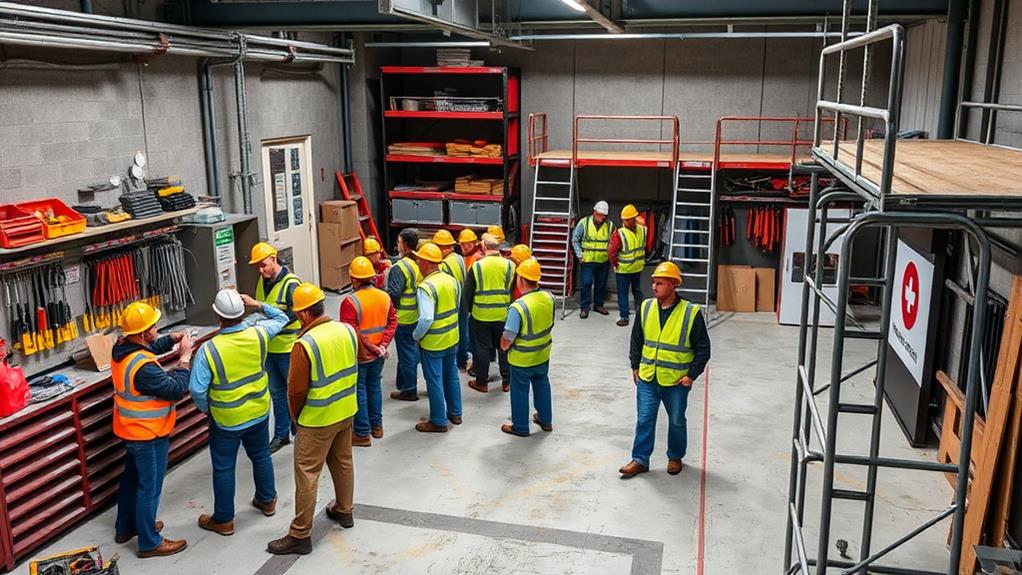
Safety management on a renovation site with multiple subcontractors requires a comprehensive and coordinated approach. The general contractor must establish clear safety protocols and ensure all subcontractors adhere to them. This includes conducting regular safety meetings, providing proper personal protective equipment (PPE), and maintaining a clean, organized work environment.
Implement a site-specific safety plan that outlines potential hazards and mitigation strategies. Assign a dedicated safety officer to oversee daily operations and conduct frequent inspections. Ensure all subcontractors are properly trained and certified for their specific tasks, especially when working with hazardous materials or equipment.
Establish a clear chain of command for reporting safety concerns and addressing emergencies. Encourage open communication between all parties and create a culture where safety is prioritized over speed or cost-cutting. Regularly review and update safety procedures as the project progresses and new challenges arise.
Maintain detailed documentation of all safety-related activities, including incident reports, training records, and equipment inspections. This not only helps in managing current safety concerns but also provides valuable data for improving future projects and demonstrating compliance with regulatory requirements.
Handle Payment Processes Efficiently
For efficient payment processes when managing multiple subcontractors, a well-organized and transparent system is essential. Implement a standardized payment schedule that clearly outlines when payments are due and what conditions must be met for disbursement. This schedule should be communicated to all subcontractors at the project's outset to avoid misunderstandings and disputes.
Utilize digital payment platforms to streamline the process, reducing paperwork and minimizing errors. These systems can automate invoicing, track payment status, and provide real-time updates to all parties involved. Establish a clear chain of approval for payments, ensuring that work is verified and approved before funds are released.
Maintain detailed records of all transactions, including invoices, receipts, and change orders. This documentation is crucial for auditing purposes and can help resolve any payment discrepancies that may arise. Consider implementing a progress payment system for larger projects, where payments are made at predetermined milestones. This approach helps manage cash flow and incentivizes subcontractors to complete work on schedule.
Regular communication with subcontractors about payment status and any potential delays is crucial for maintaining positive working relationships and ensuring project continuity.
Resolve Conflicts Promptly

Conflict resolution is a critical aspect of managing multiple subcontractors effectively. When various teams work together on a renovation project, disagreements are bound to arise. Address issues promptly to prevent small conflicts from escalating into major problems that could derail the entire project.
Establish clear communication channels and encourage open dialogue among all parties involved. When conflicts occur, listen actively to all sides and remain impartial. Identify the root cause of the issue and work collaboratively to find mutually beneficial solutions. Document all discussions and agreements to avoid misunderstandings later.
Consider implementing a formal dispute resolution process, such as mediation or arbitration, for more complex conflicts. This can help maintain professional relationships and keep the project on track. Regularly assess team dynamics and address any underlying tensions before they escalate.
Remember that conflicts can sometimes arise from misaligned expectations or unclear project requirements. Revisit and clarify project specifications, timelines, and responsibilities as needed. By addressing conflicts swiftly and professionally, you can maintain a harmonious work environment and ensure the successful completion of your renovation project.
Frequently Asked Questions
How Do I Choose the Right Subcontractors for My Renovation Project?
To choose the right subcontractors for your renovation project, research their credentials, check references, review past work, obtain multiple bids, verify licenses and insurance, and assess their communication skills and reliability. Consider their expertise in your specific project requirements.
What Insurance Should Subcontractors Have Before Starting Work?
Subcontractors should have general liability insurance, workers' compensation insurance, and professional liability insurance. Additionally, they should carry automobile insurance if using vehicles for work. It's advisable to verify their insurance coverage before commencing any project-related activities.
How Can I Motivate Subcontractors to Meet Deadlines and Maintain Quality?
Proactively promote punctuality and performance by providing positive incentives. Establish clear expectations, offer bonuses for on-time completion, and recognize exceptional work. Regularly communicate progress, address concerns promptly, and foster a collaborative environment to motivate subcontractors effectively.
What Should I Do if a Subcontractor Consistently Underperforms?
Address underperformance promptly by discussing issues with the subcontractor. Document concerns, set clear expectations, and establish consequences. If improvement doesn't occur, consider terminating the contract and finding a replacement to maintain project quality and timeline.
How Do I Handle Changes in Project Scope Requested by Subcontractors?
While subcontractors may request changes, maintaining project integrity is crucial. Evaluate each request objectively, considering impact on timeline and budget. Document all changes in writing, obtain client approval, and adjust contracts accordingly to ensure smooth project progression.
Conclusion
Managing multiple subcontractors in a renovation project is akin to conducting an orchestra. Each player has a specific role, but the conductor must ensure harmony. Like a symphony that reaches its crescendo through precise timing and coordination, a successful renovation relies on clear communication, meticulous scheduling, and proactive problem-solving. By implementing these strategies, project managers can orchestrate a smooth renovation process, minimizing delays and conflicts while maximizing efficiency and quality in the final product.